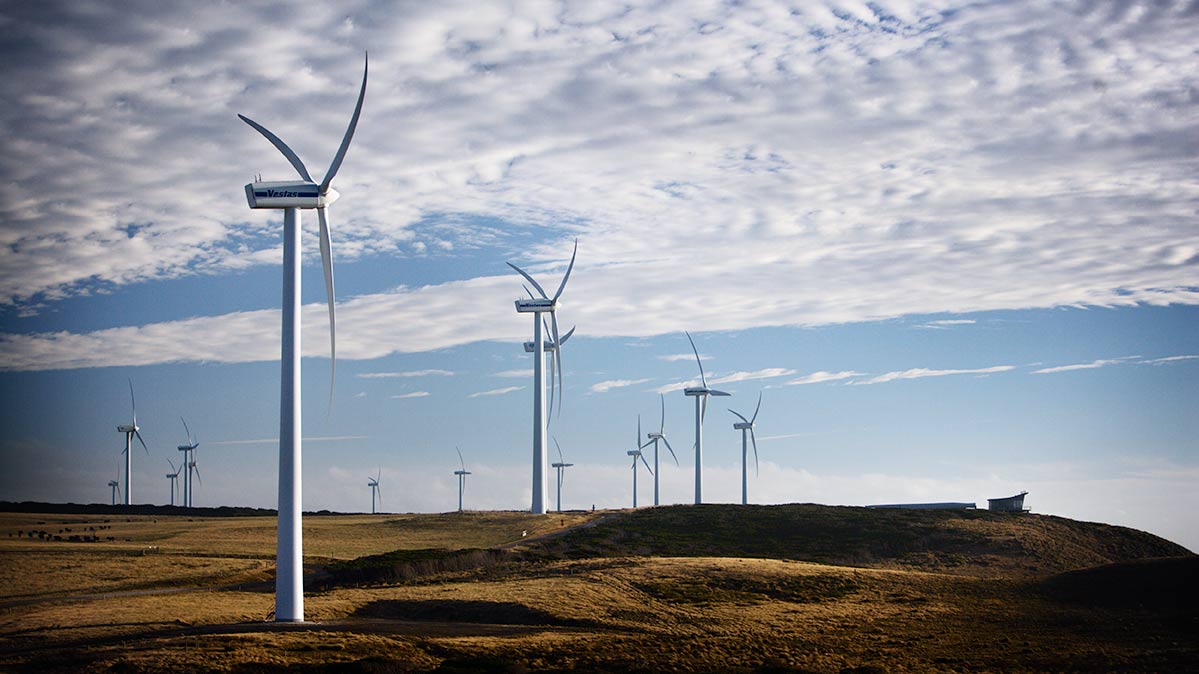
A small but long delayed Tasmanian wind project has finally begun construction in the north west of the state, after benefitting from a planning extension and being the subject of debate in state parliament.
The Singapore-based Aquila Clean Energy Asia Pacific has started construction on the 21 megawatt (MW) wind farm in Port Latta, just east of Tasmania’s windy hotspot Woolnorth.
The wind farm was granted planning approval in 2019, and had a federal environmental nod that it wouldn’t need EPBC approval in 2018.
But by the end of the last year, it was bumping up against the end of its five year development permit because it couldn’t get an offtake deal with Hydro Tasmania, according to a debate in the state’s parliament in June last year.
The Port Latta wind farm will consist of five 4.5MW turbines spread across two private properties, and will connect to TasNetworks’ local sub-station.
It’s expected to be ready for commissioning later this year.
Why so long?
It’s unclear why the Port Latta project has taken so long to start construction, but two parliamentary debates in the last 12 months hint at why.
In June, an opposition MP revealed that Aquila hadn’t started building the project, despite having approvals in place, because of a lack of offtake agreement with the state hydro company.
“Will you direct Hydro to enter into such an agreement and finally get this project started?” asked opposition MP Janie Finlay.
Energy minister Nick Duigan’s response was that he wouldn’t interfere in commercial decisions at Hydro Tasmania.
However, the government later put up an amendment to planning laws, which was passed in December, allowing ministers to give extensions to complicated projects, and specifically naming Port Latta in the ensuing debate.
Independent MP Ruth Forrest suggested the delay was due to supply chain issues but admitted she didn’t know exactly why the company had left things so late.
Aquila has been contacted for comment.
Forrest also said the Port Latta project was one of the projects that triggered the amendment.
It allows ministers to supersede councils and give two-year extensions to local development approvals for projects that are “technical or complex” in nature – language that Forrest believed was fine for uncontroversial and broadly supported Port Latta but which could cause problems in future for other developments that don’t have community or council support.
A grateful LinkedIn post by Aquila over the amendment in late November claimed the project was “complex and technical” in nature.
“This amendment enables the Planning Minister to grant projects in Tasmania an extension of the DA and therefore provides… the extra time needed to move from its ready-to-build stage through to the commencement of substantial works,” it said.
It’s not clear what about the project is technical, given it has local support, council approval and according to its December newsletter update does not require a new transmission line or an onsite substation to connect to the local grid.