In Queensland, we have a long history of communities and nature being sidelined for the sake of development, particularly for coal and gas extraction.
Over the last few years, I’ve spent time in regional Queensland listening to community concerns about proposed renewable energy projects. It’s obvious from these conversations that we haven’t got the planning right and our laws are not strong enough to ensure communities and nature benefit from the energy transition.
But with our ageing coal stations headed towards retirement and climate change-fuelled unnatural disasters hurting our communities, we have no choice now but to walk and chew gum. We have to transition fast and we need to do it better.
Queensland’s ageing coal-fired power stations broke down a staggering 78 times over the summer period. Building new energy supply isn’t a nice to have – it’s necessary to manage our power bills, keep the lights on and reduce electricity sector emissions.
That’s why it’s really concerning that over the last few months Queensland’s Deputy Premier and Planning Minister, Jarrod Bleijie, has rushed through planning changes that have shaken renewable energy investors and sent a signal that Queensland is closed for clean business.
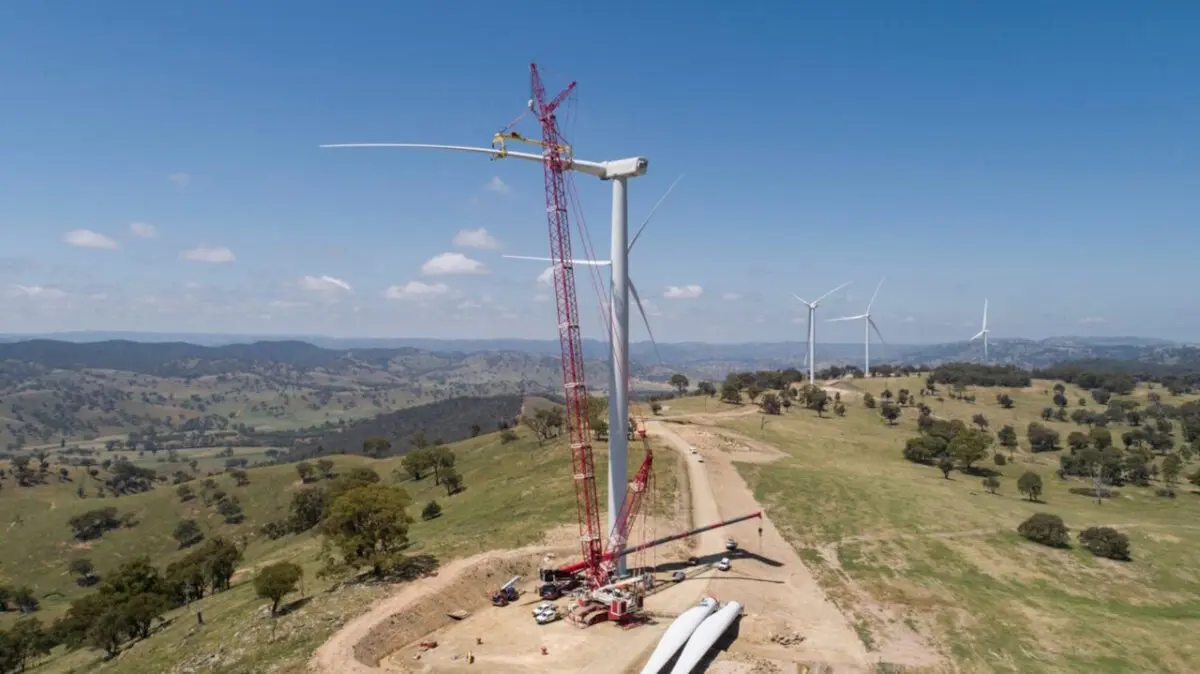
First, he ordered the Planning Department to stop work on three wind project assessments, then he called in and rejected one of the wind projects his Government had previously approved, and now he’s trying to legislate new rules that would create a different playing field altogether for renewable energy projects and other developments.
At the same time, the Government is creating a new sub-committee to speed up approvals of fossil fuel projects and is proposing that Olympic developments get a free pass to override planning, environment and existing cultural heritage requirements.
Things have gotten so bad that it’s not unreasonable to ask: Is the Planning Minister hell-bent on slowing new renewable energy supply, and will he stop the Queensland Government from meeting its emission reduction promises?
This week there were Parliamentary Committee Hearings on the Planning (Social Impact and Community Benefit) Bill. The legislation has two parts:
- – It allows the development of Olympic venues to override 15 planning and environment laws; and
- – It introduces requirements for renewable energy developers to conduct a Social Impact Assessment and negotiate a Community Benefit Agreement with the local council before they can lodge development approval with the State Government.
Submissions on this legislation from local councils, the agricultural sector, community and environmental groups all point to these new renewable energy requirements being impractical. For a Bill that aims to improve community consultation, there clearly wasn’t much consultation.
These renewable reforms are problematic for a number of reasons. Firstly, local councils have not been given any guidance or enough resources to undertake this work. They’re being asked to negotiate with renewable energy developers without any set standard or assistance. This also means developers will have different benchmarks for every local government area.
Secondly, it’s entirely impractical to negotiate a community benefit agreement so early in the process when the final project design and scale will likely change – sometimes drastically.
What’s more, it’s a significant burden for local councils and communities to negotiate with all these developers at such an early stage when there’s no guarantee that these projects will proceed.
The Queensland Government must go back to the drawing board and rework these reforms based on feedback from local governments, community groups and the renewables industry.
If they don’t, there could be no new projects for the community to benefit from.
Social impact assessments and community benefit agreements are essential for us to get the best outcomes for communities. But it makes much more practical sense for these to be coordinated at a regional level through Renewable Energy Zones (REZs) to minimise consultation fatigue and ensure long-lasting and meaningful outcomes for communities.
It’s been disappointing to watch the Queensland Government seemingly slow the delivery of coordinated development through REZs at a time when the community and renewables sector desperately need certainty. If done well, REZs can guide developers on where is and isn’t appropriate to site projects, manage the cumulative social and environmental impacts in a region, and pool community benefit funds so the value is maximised.
The transformation of the global economy is an opportunity for Queensland to capitalise on our natural advantages and set our communities up to prosper long into the future. But we need the right policy settings to seize these economic opportunities and make sure that the energy transformation delivers for communities, landholders and nature.
It’s time to ditch the climate wars and genuinely empower regional communities to shape their economic and energy future. The key question now is: will the Premier David Crisafulli keep letting the Planning Minister call the shots and close Queensland down for clean business? If that’s the case we’ll miss a vital opportunity for regional development and set our State up to fail in the new global economy.