Australia’s transition to clean energy has reached a critical juncture, with major developments in transmission, distribution and storage emerging as central to the shift away from fossil fuels.
The scheduled closure of coal-fired power stations over the next two decades is creating a substantial supply gap. This underscores the need for reliable alternatives and coordinated investment in infrastructure to support energy security and affordability as renewables account for a larger share of the grid.
The federal government’s net-zero emissions target by 2050, and the interim aim of 82 per cent renewable electricity by 2030, are driving unprecedented investment in energy infrastructure.
The Government’s Rewiring the Nation initiative has allocated $20 billion to upgrade electricity transmission and establish Renewable Energy Zones (REZs). These programs are reshaping how electricity is generated, stored, and delivered across the country.
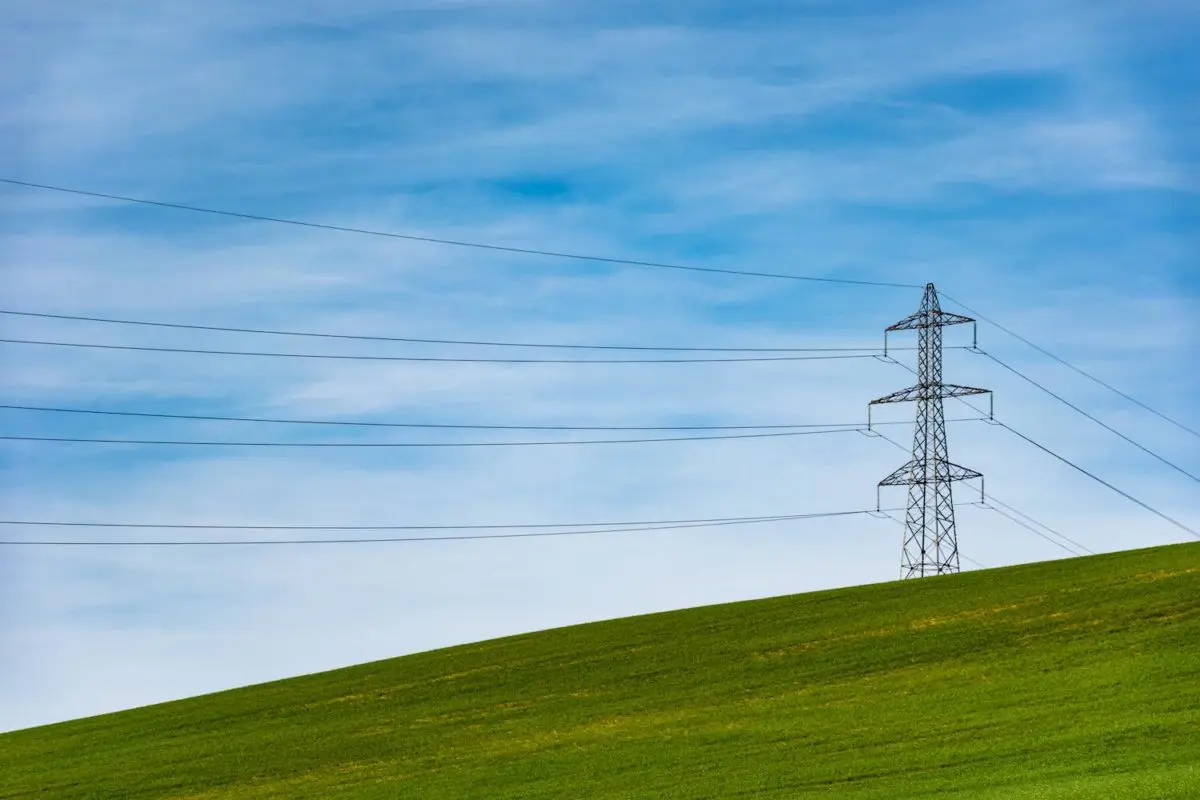
Australia’s ageing grid was not built for the variable nature of renewables. Authorities estimate that up to 10,000 km of new transmission lines will be required to connect emerging renewable sources with population centres and ensure a stable supply. Currently, only around 2,500 km are under development, highlighting the scale of the challenge and the need for acceleration.
At the same time, improvements in Battery Energy Storage Systems (BESS) are providing opportunities to optimise the use of existing infrastructure. Battery storage helps shift surplus solar power from daytime to evening peak demand, increasing grid flexibility and in some cases delaying the need for extensive new transmission.
Large-scale battery projects are expanding rapidly; by the end of 2024, Australia had 8.7 GW of battery storage under construction, with projections suggesting operational capacity could reach 12.5 GW by 2027 and as much as 18 GW by 2035. As of 2024, renewables accounted for 40 per cent of total energy generation, with rooftop solar contributing 12.4 per cent and wind 12 per cent (2023 data).
A new report from the Committee for Sydney, Global design and consultancy Arcadis, and Arup, reveals that up to 75 per cent of metropolitan Sydney’s annual energy needs could be met if all residential and industrial rooftops were equipped with solar panels.
The ‘Sydney as a Renewable Energy Zone’ report estimates that a citywide rollout would generate 21GW of renewable energy, representing an underutilised alternative to centralised utility scale renewable generation that could help achieve net zero targets.
The report recommends making solar mandatory for new builds and expanding access to household and community storage to make energy more affordable, cleaner, and more reliable. It also recommends new models to help apartment residents and renters’ benefit, including sharing excess solar from industrial rooftops and boosting battery capacity to store excess daytime energy. Sydney’s existing distribution grid is already considered capable of supporting such a transformation.
Overcoming transmission barriers
Despite momentum, significant challenges are slowing transmission development, such as regulatory inconsistencies between states, delays in environmental and planning approvals, land access disputes and ensuring renewable generation grid reliability.
Henry Olivares, Energy Transition Solution Lead at Arcadis Australia, highlights two of the major obstacles responsible for the delays.
“The first is escalating costs, which often force projects to pause or pivot. The second is gaining social licence—securing community support for new transmission infrastructure is proving increasingly challenging,” he explains.
“Identifying who the potential impacted stakeholders are from the beginning is essential, making sure they are engaged in the early discussions to help shape what the final design solution might look like to garner community support.
“Just as high-voltage transmission enables the bulk transfer of renewable energy, the evolution of local distribution networks and smarter energy management systems is ensuring that energy is delivered efficiently and equitably,” continues Olivares.
“From rooftop solar and community batteries to digital energy monitoring and urban renewable energy zones, the future grid will include a mix of utility scale generation and decentralised digitised networks.”
Applying global expertise to local challenges
Germany and the Netherlands have emerged as frontrunners in the global energy transition, driven by ambitious climate goals and robust infrastructure planning.
Germany’s Energiewende policy has led to significant investments in renewable energy, grid modernisation, and energy efficiency. Projects like the Rhein-Main Link, a 500–600 km underground cable transporting offshore wind energy to industrial hubs, exemplify Germany’s commitment to decarbonising its grid, maintaining reliability and addresses some of the social licence challenges of overhead transmission lines.
Similarly, the Netherlands has rapidly expanded its wind and solar capacity, with TenneT, a cross-border transmission operator, playing a pivotal role in integrating renewables and reinforcing grid stability across both countries.
Initiatives such as Tennet’s 2GW program, took a standardised approach to connecting 14 High Voltage (HVDC) offshore grid connection systems each up to 2GW in capacity across both Germany and the Netherlands. The standardised approach facilitated a cost effective method to deploying large scale grid integration of offshore wind.
Australia can draw valuable lessons from these experiences. In particular, the importance of long-term planning and cross-sector collaboration. Both Germany and the Netherlands faced challenges such as grid congestion, public resistance to infrastructure expansion, and balancing affordability with sustainability. These were addressed through transparent policymaking, stakeholder engagement, and strategic investments in smart grids and offshore wind.
With its vast renewable potential, Australia could benefit from adopting similar integrated approaches, especially in upgrading transmission networks and accelerating electrification in transport and industry.
A national opportunity
Australia’s remarkable solar and wind resources, combined with its expanding green hydrogen capabilities and strong government support, position the nation as a potential leader in the global energy transition.
However, according to Olivares, the country’s main challenge is no longer generating renewable power, but ensuring efficient delivery to where it is needed.
“While Australia has an abundance of land ideally suited for renewable generation, the devil is in the detail,” Olivares says. “We need to ensure the transmission lines we build are cost-effective. People talk about the energy trilemma – affordability, availability, reliability – and we must make sure that the cost of new transmission infrastructure doesn’t drive up energy prices for consumers.
“At the same time, we can’t overlook the role of distribution. Localised grids and distributed energy resources (DERs) like rooftop solar and community batteries are becoming critical for balancing load and generation at a community level, helping to relieve pressure on the broader network and deliver smarter, more resilient energy systems,” he adds.
Expanding high-voltage transmission infrastructure is widely seen as essential to unlocking Australia’s clean energy potential, supporting both greater renewable integration and new export opportunities.
These major projects also promise significant regional benefits, from job creation to attracting investment and supporting the development of new industries. Estimates suggest the sector could support more than 60,000 jobs nationwide over the next two decades.
“If deployed the right way, these projects represent a major opportunity to bring lasting development into regional communities. I think public sentiment would shift significantly if we could point to more examples where that kind of local benefit has been achieved,” Olivares explains.
Technological advances are also opening new doors for Australia’s energy transition. The evolution of longer duration batteries, grid-scale grid forming batteries are boosting system flexibility and resilience. Additionally, distributed energy solutions such as rooftop solar and community microgrids are increasingly empowering consumers to play a more active role in the evolving energy landscape.
The path forward
While new transmission lines are vital to Australia’s renewable transition, experts say the local distribution network can also provide benefit to consumers. Optimising distribution – through smart grids, community batteries, and demand management – allows surplus solar energy to be stored and redirected as needed, leveraging existing infrastructure and minimising the need for costly new projects.
Industry observers argue that a national, coordinated strategy is needed to streamline planning and regulatory processes. Early collaboration between government, utilities, and communities, along with investments in technologies like HVDC and digital monitoring, will be critical. Building public trust through genuine engagement is also seen as essential.
With integrated, long-term planning and a focus on innovation, Australia’s clean energy targets are widely seen as achievable.
To explore more about the energy transition and the global challenges shaping a cleaner future, visit: Arcadis Insights.
This is a paid sponsored article brought to you by Arcadis.