An energy market quirk that discouraged electricity distributors from beefing up their networks against future storm or bushfire risks has been fixed, following a request by a concerned Victorian energy minister.
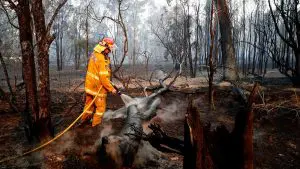
Distributed network service providers (DNSPs) must now identify where their networks might be at risk of failing when extreme weather or bushfires roll through.
But they’re also now allowed to proactively invest in climate change-resilience, rather than being restricted to passing on clean up costs to customers or spending on infrastructure with benefits that can be more easily accounted for on a balance sheet.
These adaptations include strengthening poles and wires in high-risk communities, relocating infrastructure in flood prone areas, or increasing the number of mobile generators and substations to step in when power supplies are disrupted.
Other options include programs to manage bushfire and flood risks.
“Hundreds of thousands of Australians have experienced power outages from extreme weather just this year alone,” Australian Energy Market Commission (AEMC) chair Anna Collyer said in a statement.
“The impact can be highly disruptive, especially for vulnerable customers and communities that are less resilient to severe weather events.”
The final AEMC rule document says it strikes a balance between the money energy market players will need to spend versus the need to keep costs down for consumers.
Victorian DNSPs are allowed to factor resilience spending into their budgets from October this year, while those in other states must comply from 2028.
Last straw for Victoria
The AEMC rule change request came in July last year from Victorian energy minister Lily D’Ambrosio.
After years of severe weather causing lengthy power outages, the minister wanted DNSPs to start specifically planning for and investing in network resilience.
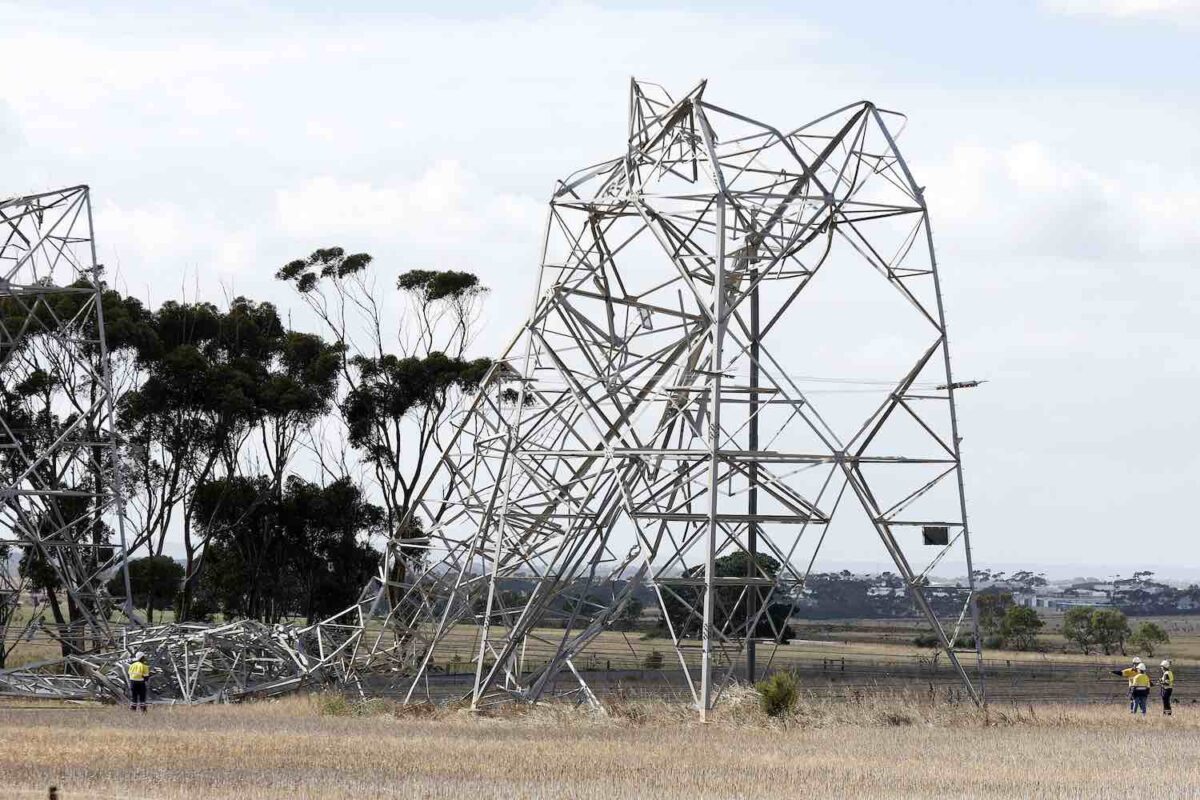
The last straw were the blackouts caused by a severe storm in February 2024, which knocked out power to 30,000 households and businesses for three days and to 3000 customers for more than a week.
The state government’s report into the aftermath found a cumulative 1 million homes lost power during the storm, which damaged 12,000 kilometres of distribution lines and 1100 powerlines.
Six transmission towers collapsed and one 500 kilovolt transmission line failed.
The total economic cost was $770 million.
“In the Victorian government’s view, there are widespread and long-duration outages that could be avoided or mitigated if DNSPs invested more, ex-ante, to enhance network resilience,” the government’s submission says.
“If such outages are avoided or mitigated through ex-ante investment, then the large costs suffered by customers affected by those outages would be reduced.”
Gaps in the rules
The Victorian request highlighted gaps in the rules at the time, saying the way the Australia Energy Regulator (AER) made revenue determinations for the regulated monopoly DNSPs encouraged a focus on preventing outages of 12 hours or less, but no incentives for longer blackouts.
It also noted that climate change is causing more extreme weather and relying on historical data will not allow DNSPs or the AER to properly appreciate the new risks.
And it noted that a heavy focus on pass-through costs, which allow DNSPs to pass on the cost of the clean up, does nothing for proactive reliance planning.
It also worried that while the AER had issued guidance on how to treat network resilience and the funding of, there was no formal, rule-based framework to back that up.
The result is a system that will allow DNSPs to actively look at where the risks lie and work with non-network providers and options such as stand alone power systems to prevent storms from having such a ruinous effect on networks.