The weight of submissions from long distance and mostly anti-renewable opponents has forced a relatively small big battery project to be referred for review by the NSW Independent Planning Commission.
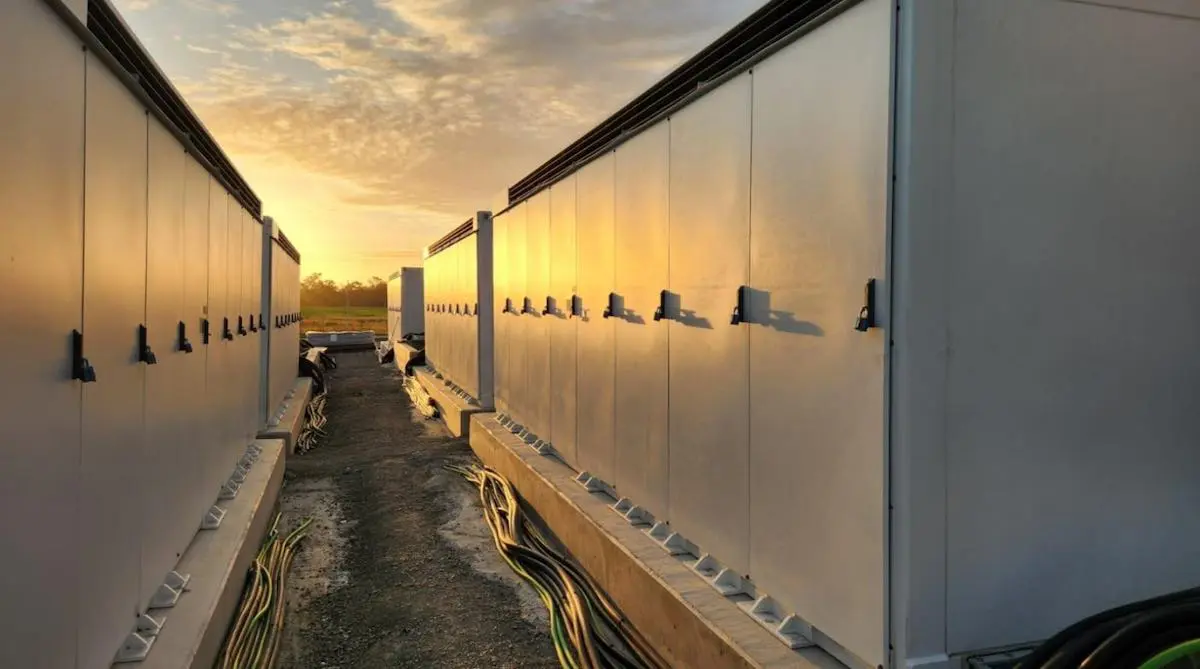
Foresight Australia wants to build a 75 megawatt (MW), 150 megawatt hour (MWh) battery around 10 kms east of Albury – a relatively small project given the number of gigawatt scale batteries now in operation, under construction of proposed.
But the Hume North BESS attracted 72 objections, including nine from special interests groups, with 63 of these from people or groups located 100 kms or more away, or interstate. More than half objected to the very idea of replacing fossil fuels with renewables and storage.
The objectors to the Hume North BESS include Rainforest Reserve, the subject of intense scrutiny at least week’s Senate inquiry into misinformation about climate and energy issues, and a separate submission from the group’s president Carolyn Emms.
Another objector was Carol-Ann Fletcher, who has a record of opposing renewable and transmission projects and often cites articles printed in the Murdoch media as well as those published by the right-wing pro nuclear group, the Centre for Independent Studies.
Another regular renewables critic and project opponent, the Walcha-based grazier Ian McDonald, also opposed the Hume North project.
Nearly all of the other submissions were from people who asked that their name be withheld. One complained of “renewabull” (sic) energy, and many were in the same vein.
There were only two submissions against the battery from within 5 kms of the project, including from a neighbouring trout farm. The local council also voiced concerns, but then agreed with the terms and amendments proposed by Foresight.
The planning rules in NSW mean that when more than 50 people object, there has to be a referral to the IPC. The state planning department said the project is “approvable”.
“The Department considers there is a low level of local interest or concern towards the project and that there are relatively low levels of residual impacts associated with the proposal,” it wrote.
The IPCN says it will hold a meeting in Albury in early December “to ensure that people who live nearby and may be most directly impacted by the project can have their say.”
Its media release notes the battery project is designed to increase grid stability, energy security and reliability.
“If approved, it would store excess renewable energy and provide ‘firming capacity’ by contributing to dispatchable energy availability during peak demand or when renewable energy production is low,” it says.
The key issues associated with the proposed development were identified in the Department of Planning, Housing and Infrastructure’s whole-of-government assessment of the development application.
“These include energy transition, land use compatibility, water, biodiversity, transport, hazards, noise, visual, waste, erosion and sediment control, decommissioning and rehabilitation.”
If you would like to join more than 28,000 others and get the latest clean energy news delivered straight to your inbox, for free, please click here to subscribe to our free daily newsletter.