A relatively small solar farm and battery project proposed for the regional New South Wales (NSW) town of Gulgong has attracted a whopping 87 objections of 88 submissions from its planning application.
But the wave of red on the NSW Planning Portal does not mean that locals are up in arms – almost all of the respondents came from people hundreds of kilometres, some in different states,.
Only eight submissions came from the Gulgong area, three of which appeared to be from the same household and which used the same letter, and one was an ardent supporter of nuclear power who is generally against renewable energy.
The wrath against this project came almost entirely from people hundreds of kilometres away in other parts of NSW, Victoria, Queensland and Tasmania.
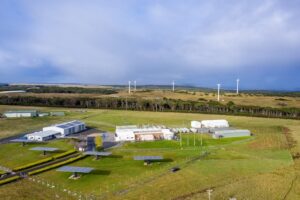
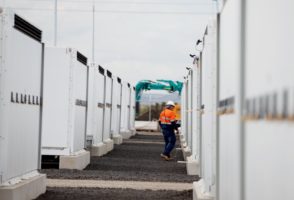
The Elgin Energy-proposed Mayfair project is a 60 megawatt (MW) solar farm and a 60 MW/120 MWh battery energy storage (BESS), in the Central-West Orana renewable energy zone.
The $208 millIon project is pencilled in for a plot of land about 6km north of Gulgong, and would connect into the 66kV powerline already running over the property.
Conspiracy theories and weed worries
The submissions ranged from conspiracy theories to genuine worries the developer wouldn’t deal with weeds properly, creating problems for their neighbours.
Comments about environmental contaminants were most common with several submitters citing the same 2021 study from Stuttgart University, suggesting it is circulating in online forums.
The second most common issue raised was food security and productive land loss, followed by fire risks, and vague fears about decommissioning risks.
The local council was also concerned about decommissioning risks, wanting to see an updated plan with a promise that it would be updated every five to seven years using present value costs.
Two submitters raised the prospect that the project, and renewables in general, are at risk of Chinese interference.
The total number of actual submissions is likely to be lower, with one objector having to lodge three separate submissions clearly labelled “page 1, 2 and 3”.
There were 14 objections from people living within 20-100km of Gulgong itself; 17 were from interstate, and 36 were from people in NSW who lived more than 100km – sometimes hundreds of kilometres – away from Gulgong.
One submitter named Bill Stinson had forgotten to change the name of the solar farm he was objecting to: at one point in the Warrawee, NSW, resident’s a three-page PDF submission he named Smokey Creek solar farm, an Edify Energy project in Queensland, instead of Mayfair.
Last year, Someva director Tim Mead — whose Pottinger wind farm also attracted objections from out of towners — said the objectors were “certainly organised” and appeared to come from specific groups.
For Mayfield, clusters of locations that objectors came from included the Swan Hill area in NSW and Victoria, and from around Dunedoo and Hay in NSW, both locations with major renewables developments.
Why are my tariffs down and power bills up
While most of the 87 objections were against renewable energy generally, two submissions raised issues that tap into a sentiment that surveys have been capturing for the last year: disillusionment with what renewable energy is doing for people, now.
Karen Fox from Calala noted that her rooftop solar tariffs have been cut “due to oversupply of solar to the grid”.
“I would like an explanation of why more of our agricultural land is being placed under panels that will obviously add to ensuring the grid is unbalanced while not supplying base-load power,” she wrote.
“Unhappy Resident” from Gulgong noted that despite promises of lower electricity bills, theirs is still high and they must deal with power outages as well.
“The Proponent offers no proof that my bills will not rise even more if their project proceeds, let alone drop back by 50 per cent or more to get back to where I was a few years ago,” Unhappy Resident wrote.
An Ipsos poll in July last year found 68 per cent of Australians believe transitioning to renewable energy generally will result in higher power prices – but also said this was due to misinformation.
The Grattan Institute’s Allison Reeve said at the time it was less misinformation and more the cost of living – those continually higher power bills – combined with being told over and over that renewables are the cheapest form of new generation.
The cause of higher bills, of course, is that Australians are still paying for high 2022 wholesale power prices in their Default Market Offers, because retailers contract for energy years in advance, and transmission infrastructure upgrades as well as and requirements to burn gas are also driving prices up.
Some large scale projects, such as Engie’s Hay wind project and the Cellars Hill wind farm in Tasmania are devoting part of their community benefits fund to directly subsidising their neighbour’s power bills.
As for Fox’s complaint, networks which have failed to invest in managing the influx of rooftop solar and a market design that privileges large scale generators over the millions of small home owners who now make up 25 per cent of the National Energy Market supply, are why her tariffs are being cut.
But, as with the line that renewable energy is the cheapest form of generator, it’s hard to believe when bills are going up and payments for power sold are going down.