Key Takeaways
- Potentia Energy, a joint venture between Enel Green Power and Inpex, has acquired a 1.2 GW renewable energy portfolio in Australia.
- The portfolio includes over 700 MW of operational wind and solar assets and 460 MW in late-stage development, highlighting a focus on diverse renewable technologies.
- CEO Werther Esposito stated that the acquisition supports Potentia’s growth strategy and its commitment to facilitating Australia’s energy transition and decarbonisation efforts.
Potentia Energy, the newly renamed joint venture between two Italian and Japanese energy giants, has significantly boosted its interests in Australia with the purchase of a gigawatt scale portfolio that includes some of the landmark projects in the local green energy transition.
The 1.2 GW portfolio includes more than 700 megawatts (MW) of operating wind and solar assets, and a further 460 MW of assets in late stage development, including two battery storage projects and a wind project.
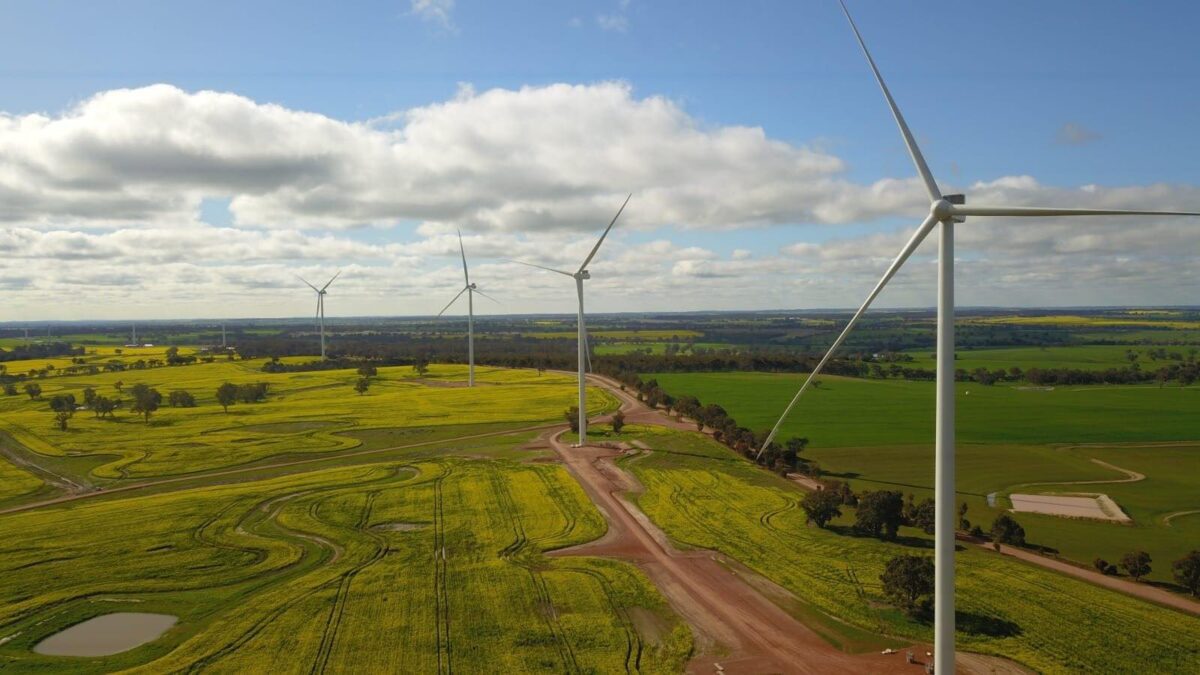
Potentia is a join venture between Enel Green Power and Japanese oil and gas giant Inpex, and already owns a number of operating assets, including the Bungala, Girgarre and Cohuna solar farms, and the Flat Rock wind farm in Western Australia, along with several more projects under construction and a pipeline of more than 7 GW.
Werther Esposito, the CEO of Potentia Energy, says the deal affirms the company’s ambitious growth strategy in Australia, across diverse geographies, technologies and markets.
“We are committed to continue driving the energy transition across Australia,” he said in a statement. “Our new Western Australian assets position us to work alongside Synergy in supporting the state’s energy transition and decarbonisation ambitions.”
The assets it brought were first put on the block by Dutch-based funds manager CVC DIF and Australian super fund CBus in the middle of last year. It includes an 80 per cent stake in Bright Energy, which operates in the Western Australian market.
Although the assets were put on the block last year, the timing of the sale is interesting because it comes just weeks after The Australian newspaper reported that CBus – which represents the building and construction industries – is looking to reassess its climate targets due to what the newspaper described as the “anti-ESG” movement.
A deal between CVC DIF and Potentia makes sense given that the two parties are already joint owners of the Bungala solar farm in South Australia, the state’s first major solar farm and still its biggest at 220 MW. And they have a joint interest in the proposed 225 MW, 900 MWh Emeroo battery, next to the Bungala solar farms.
The Bright Energy assets include other landmark assets, including the Greenough River solar farm, the first stage of which was the very first large scale solar project to be built in Australia, albeit at just 10 MW in 2012. It was later expanded to 30 MW.
Also included are stakes in the Warradarge wind farm, one of the best performing in the country and which will be expanded under a newly unveiled plan announced with another Bright shareholder, the WA government owned utility Synergy.
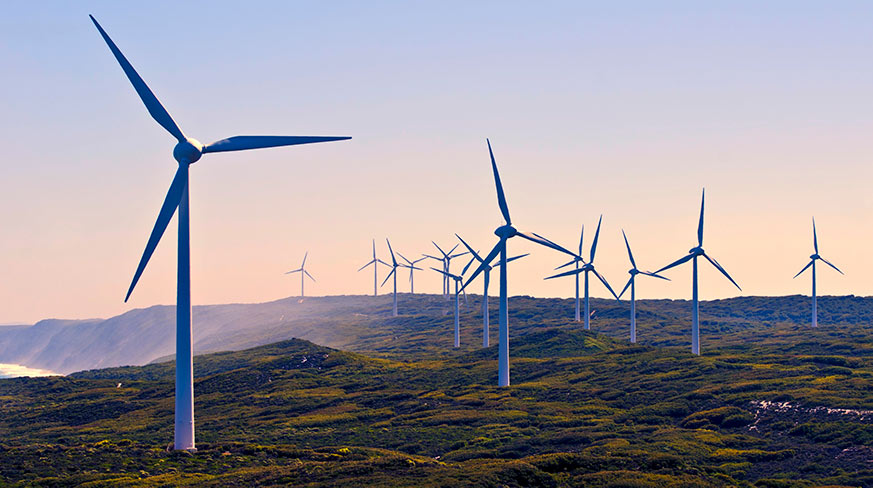
Western Australia’s Albany Wind Farm
Bright also owns the Grassmere wind farm near Albany in W.A, once the biggest in the state, one of the oldest in the country, and most likely the most photographed in the country. The first stage, then known as the Albany wind farm, was built in 2001.
Other assets are the Royalla solar farm in the ACT, the first utility scale solar farm to be built on Australia’s main grid, and the Clare solar farm in Queensland.
The development assets include a battery project at Clare, and the Emeroo battery. Potentia is also building the Quorn Park hybrid project – comprising 98 MW solar and a 20 MW/40 MWh battery – in NSW.
Andrew Freeman, a partner and head of divestments at CVC DIF, said: “We are focused on uncovering opportunities that enhance financial performance and drive sustainable growth in the businesses we invest in, while at the same time delivering strong returns for our investors and supporting the energy transition.”