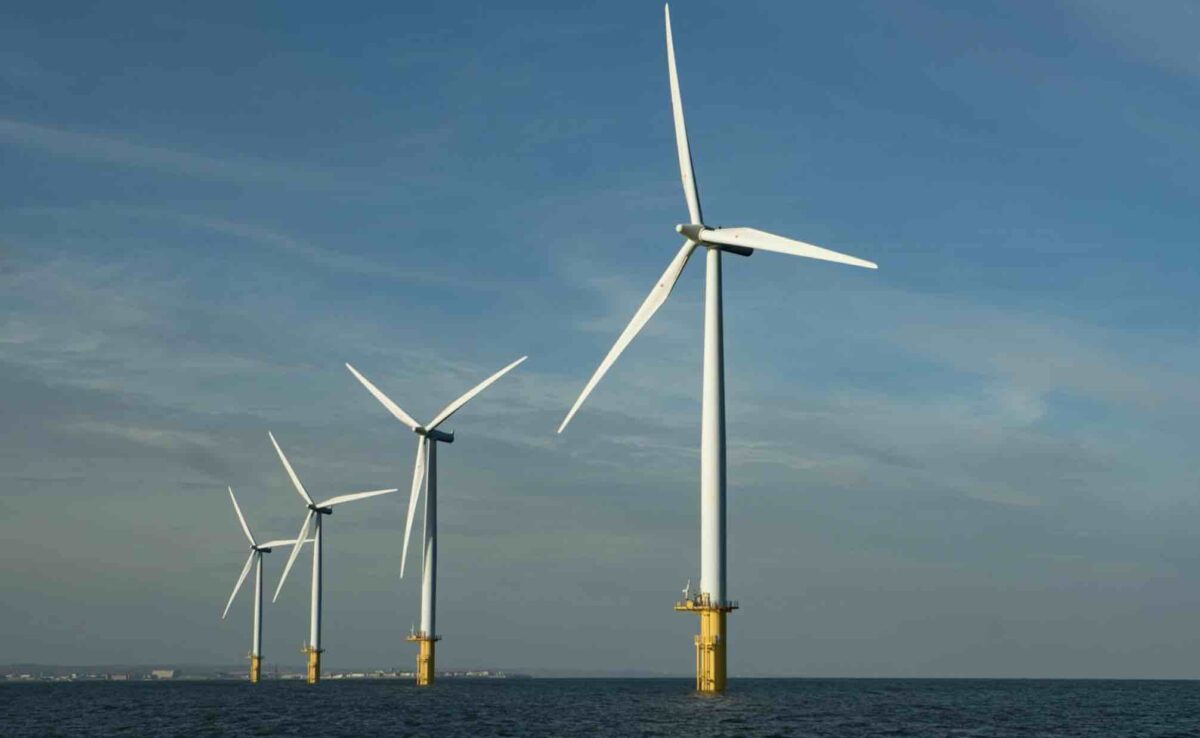
The federal government has offered feasibility licenses to three proposed offshore wind projects off the coast of Western Australia that, if eventually approved and constructed, could deliver around 4-gigawatts (GW) of renewable electricity into Western Australia’s South West Interconnected System.
However, in a blow to the offshore wind industry’s dreams of building on the east and south-east coasts of Australia, no feasibility licenses were offered to projects in either the Illawarra or Bass Strait offshore wind zones.
The decision on the Illawarra was expected given the announced withdrawal of Bluefloat and other proponents given the difficulty of floating offshore wind, even more costly than offshore wind, while the Bass Strait decision was more of a surprise.
“A preliminary decision has been made to not to offer feasibility licences in the Bass Strait due to lack of competitive bids,” Federal minister for climate change and energy Chris Bowen said on Friday.
However, Bowen had better news for W.A., announcing that feasibility licenses had been offered to projects in the Bunbury offshore wind zone, including two projects proposed by Bunbury Offshore Wind and one by Westward Wind.

Acceptance of the offers will allow the project proponents to begin detailed investigations and consultation under the feasibility license framework.
These licenses last for up to 7 years and allow proponents to conduct a range of activities including research and marine surveys, detailed environmental assessments and seeking approval under the government’s Environment Protection and Biodiversity Conservation (EPBC) Act.
They are also expected to test the waters with Australian businesses to prepare a potential supply chain, engagement with existing marine users, and ongoing consultation with the community and first Nations groups.
The Bunbury Offshore Wind Project (OWP) is being developed by EDF Power Solutions Australia, a subsidiary of the French government owned electric utility giant EDF Group. The Project has been split into two separate wind farms, Bunbury OWP North and Bunbury OWP South, both of which secured feasibility licenses.
Both projects were awarded preliminary feasibility licenses in August of 2025.
The third project is the Westward Wind offshore wind farm being developed under a 50:50 joint venture between Spain’s EDP Renewables and France’s Engie, called Ocean Winds.
“These licences are another important step towards up to 4 GW of cleaner energy for Western Australian communities and industries,” said Bowen.
“Offshore wind is a key part of our plan to deliver cleaner, reliable energy and good jobs in WA’s regions.
“As well as providing reliable, renewable electricity throughout the day, offshore wind can keep generating into the evening, harnessing the consistent, high-speed winds of the Australian coastline.”
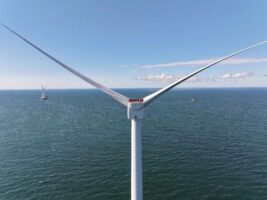
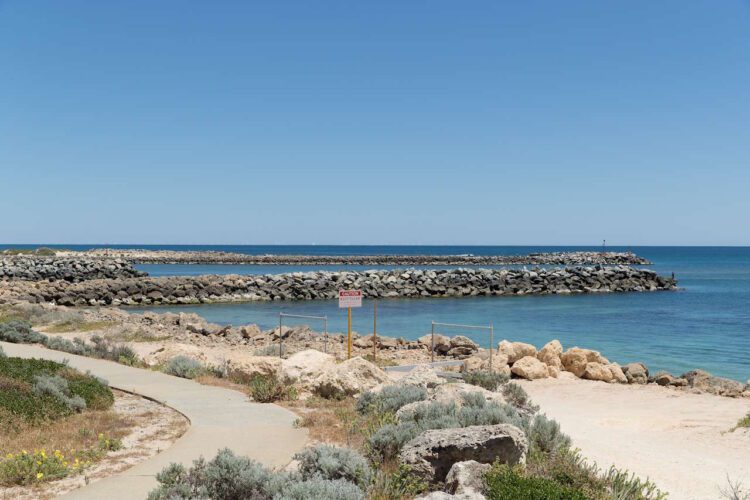
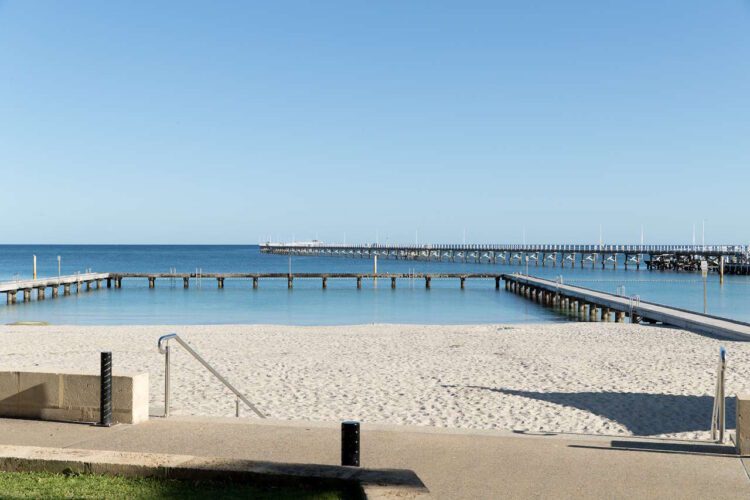
Digital renderings published by the government’s department of climate change, energy, the environment, and water (DCCEEW) show that the wind turbines from all three wind farms will be virtually invisible on the horizon from shore.

News of the three feasibility licenses being offered was welcomed by Australia’s Clean Energy Council as an important milestone for offshore wind in Australia.
“This is a positive and practical step forward for offshore wind in Australia and provides greater certainty for industry, communities and governments,” said Morgan Rossiter, Clean Energy Council General manager for offshore wind.
“These projects demonstrate the scale of opportunity offshore wind presents, with the potential to deliver up to 4 gigawatts of clean, reliable energy while supporting thousands of jobs across construction, ports, manufacturing, and long-term operations.”
Alongside the three feasibility licenses, the federal government also opened applications for research and demonstration (R&D) licences that allow for the trial and testing of offshore renewable technologies in Australian waters.
“Applications for R&D licences are now open for all of Australia’s six offshore wind zones,” said Bowen.
“These licences will give certainty to domestic and international developers, universities and research cooperatives to pioneer new technological advances in Australian waters.
“This will keep Australia squarely in the race for more offshore wind opportunities. These R&D licences give clear signals to domestic and international investors that Australia wants to be home to the next technological advancement when it comes to offshore wind development.”
The only downside of Friday’s announcements was that no feasibility licenses were granted for anywhere else in Australia. No feasibility licences for generation projects in the Illawarra were granted as no application had been able to progress – including BlueFloat, a Spanish offshore wind developer, after it withdrew its application following efforts to scale back its operations around the globe.
Similarly, the government has made a preliminary decision not to offer feasibility licenses in the Bass Strait due to lack of competitive bids.
However, both the Illawarra and Bass Strait zones will be open for R&D licenses to test renewable energy technologies.