A First Nations-backed wind and solar project has joined the queue for federal environmental approval, proposing to build one of Australia’s biggest hybrid renewables projects, in Western Australia’s Pilbara region.
The Yindjibarndi Energy Corporation (YEC) is proposing to develop the Baru-Marnda Renewable Energy Project around 50km south of Karratha on land where Yindjibarndi People hold native title rights and interests.
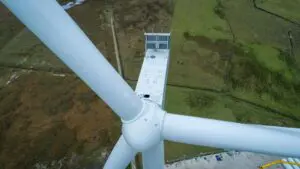
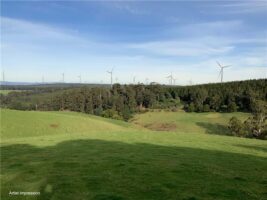
The project proposes to combine up to 1000 megawatts (MW) of wind and 500 MW of solar generation facilities, with the option for energy storage, and associated hardware and infrastructure.
EPBC referral documents say the renewable energy generated and stored by the Baru-Marnda Renewable Energy Project would largely be made available for use throughout the Pilbara region via the North West Interconnected System (NWIS).
YEC says discussions are underway on the facilitation of new, common user transmission infrastructure between the project and the existing NWIS through the state government’s Pilbara Energy Transition (PET) plan.
“The generation of renewable energy is aligned with the Yindjibarndi community’s vision to create profitable and sustainable community owned commercial businesses that protect ngurra [country], build a stronger community, and respect culture,” the documents say.

Image: Yindjibarndi Energy Corporation (YEC)
YEC was launched in July 2023 by the Yindjibarndi Aboriginal Corporation (YAC) and Philippines renewables developer Acen Corporation with plans to develop around 750MW of wind, solar and batteries on country where the YAC holds exclusive possession, the strongest form of native title.
In October 2024, Rio Tinto signed a deal with YEC to roll out a series of solar, wind and battery projects to replace the gas-fired generators its huge iron ore mines currently depend on. The mining giant needs about 600-700MW of renewable power to displace most of its gas use from four gas-fired power stations in the Pilbara.
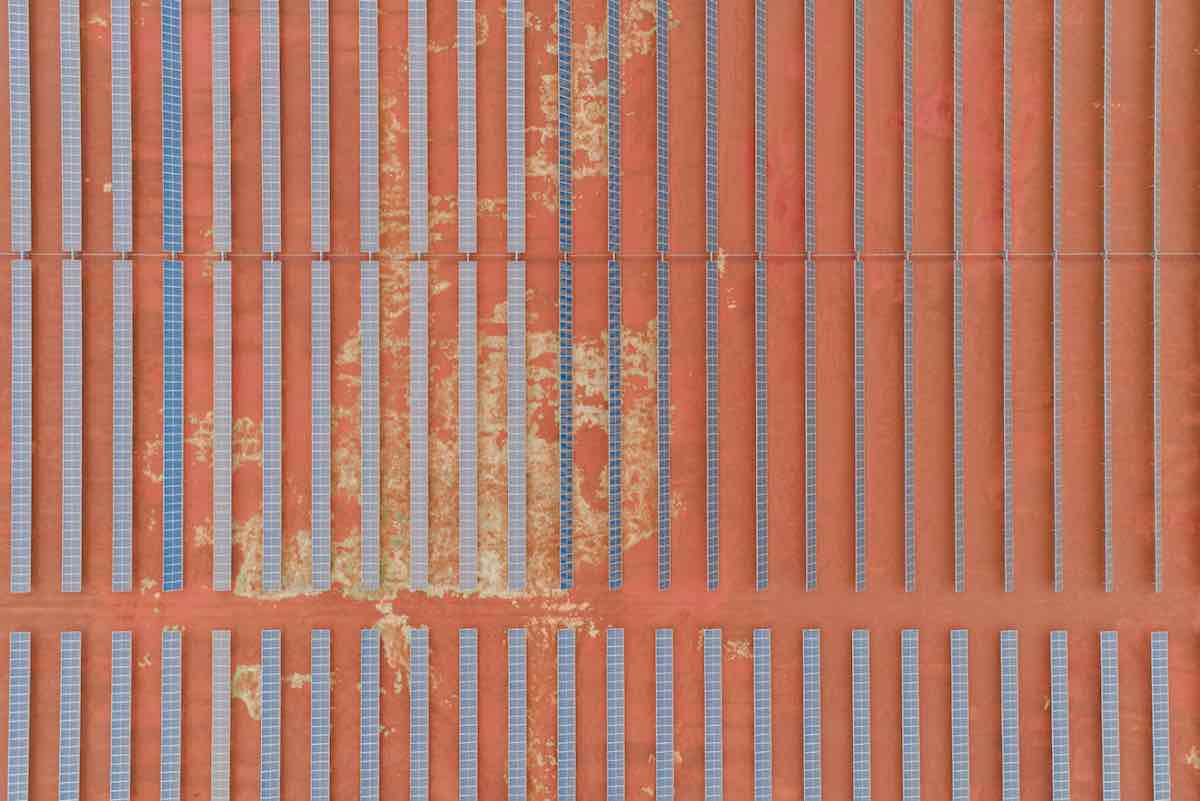
According to the project referral, the up to 500 MW of solar proposed for the BaruMarnda Renewable energy project would be made up of a number of solar arrays, with six potential sites identified to the northwest and southeast of the Rio Tinto rail corridor.
Of these six sites, no more than four will be implemented, the documents say.
A separate 150 MW solar farm being developed by the YEC in partnership with AcenAustralia – the Jinbi solar farm – last year won state environmental approval, marking the first project assessed as part of the WA government’s Green Energy Approvals Initiative. It was cleared for development by the state in December.
According to the WA government, YEC’s pipeline of projects will ultimately total 3 gigawatts (GW) of solar, wind and storage capacity and, if successful, could make YEC one of the state’s largest renewable energy developments.
The project is one of a number expected to be built in the Pilbara region, to help power the giant iron ore mines, and potential green iron and ammonia projects that could be built in the region.
Fortescue Metals, which aims for “real zero” at its mine sites by 2030, meaning it will be burning no gas or diesel for mine operations or transport, has also unveiled plans for a 2.1 GW wind project, and a large solar project to help power its facilities.