EnergyAustralia, one of the country’s big three energy utilities, has admitted it will need to come to market – mostly likely for debt – to help fund its planned investments in battery storage, pumped hydro and green hydrogen, and as it looks to a future beyond coal.
The company has already announced the “early” closure of the Yallourn brown coal generator in Victoria, under an undisclosed deal with the state government, and concedes that its Mt Piper coal generator in NSW may close earlier, should enough wind, solar and storage be installed to replace it.
EnergyAustralia is focusing new investment on battery storage, including what could be the country’s biggest battery in the Latrobe Valley, a pumped hydro facility in NSW (Lake Lyell, near Mt Piper), and a new gas/hydrogen power plant at Tallawarra that it wants to run on green hydrogen only, over time.
It has also been busily signing off take agreements to operate the existing Ballarat and Ganawarra batteries in Victoria, the new Kidston pumped hydro power station in Queensland (under construction), and has plans for more battery investments, and repositioning its retail business as friendly to solar, batteries and EVs.
In an interview with RenewEconomy’s weekly Energy Insiders podcast, CEO Mark Collette said a capital raising of some sort was inevitable, given the need to invest in new technologies and the reality that, by 2030, the business will look nothing like it does today.
“No one company – (Hong-Kong based owner) CLP or anyone else – is going to be able to fund all the activities that they would like to like to do to reinvent the businesses, the zero carbon business,” Collette told the Energy Insiders podcast.
“In that context … I’d expect to see us raising capital, we haven’t raised debt for a few years, I’d expect to see us out there and continuing to grow our business through grow our business, by investing in those projects of the future.”
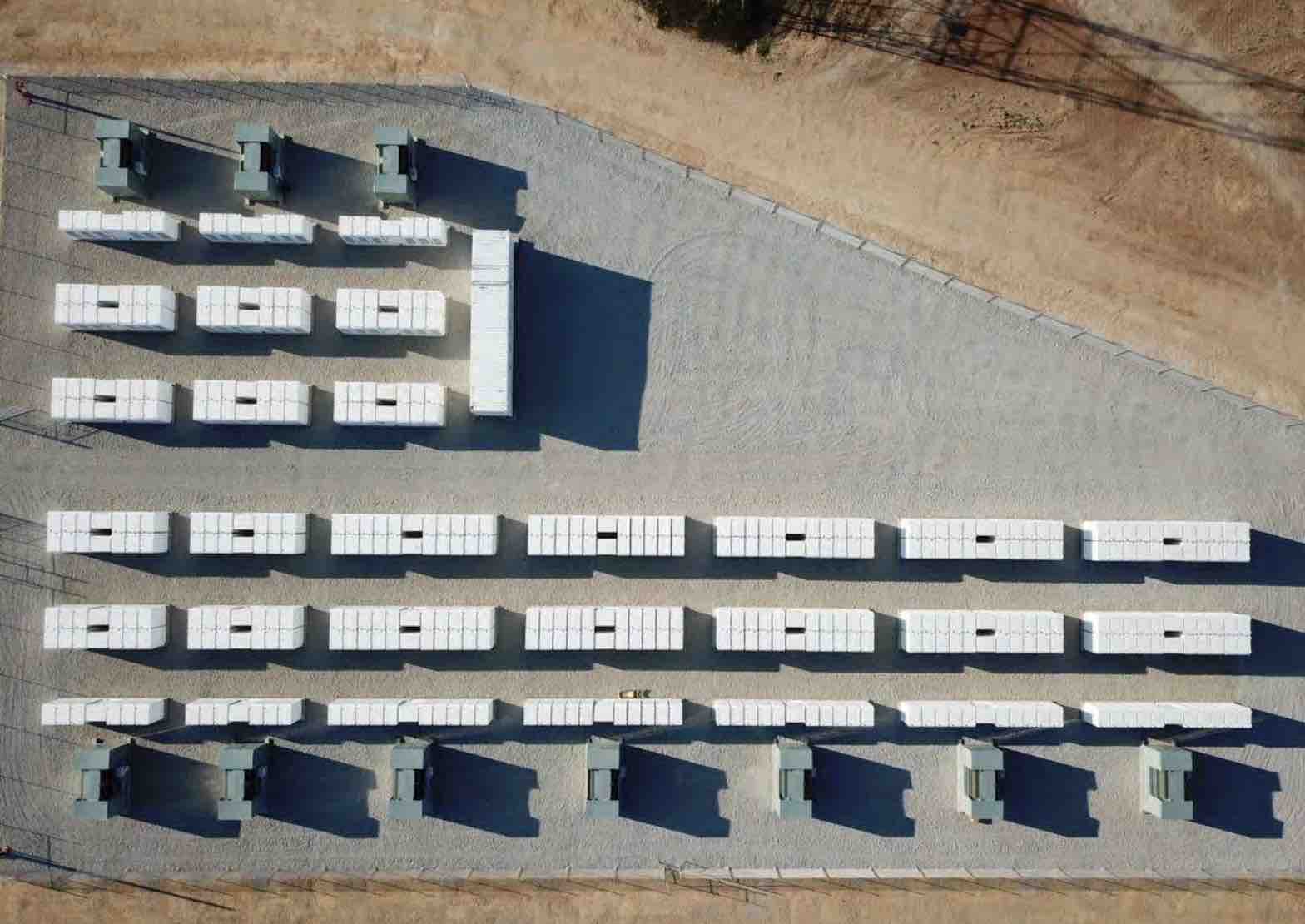
One of the first major investments will be the 350MW/1400MWh big battery at Wooreen, in the Latrobe Valley, which will partially replace the Yallourn brown coal generator.
EnergyAustralia issued an EOI for potential suppliers late last year, but Collette said no decision could be made, or at least announced at this stage.
“We haven’t made that choice yet,” he said. “We are in the market actively talking to a number of participants. And we’ll have more to say on that as and when we make we we make decisions.”
Collette did say, however, that EnergyAustralia saw it as a four-hour battery, rather than starting off with shorter duration storage as other big batteries have, because of the growing need to time shift significant amounts of wind and solar as more thermal generators retire.
“We’ve designed it to be four hours from the get go. That duration of storage is is something that I think will evolve very quickly,” he said.
“You can see most batteries designed for one hour, or maybe maybe something approaching two hours. When you do the exercise of looking … at how our energy system works in an environment where 100% of the energy or thereabouts comes from renewable energy, it’s clear that one hour duration is not enough to make that that system work.
“We do think that duration is going to become important and become important. Pretty quickly as this market evolves. We may well be one of the first batteries that relies more on the pure energy storage role rather than those system services.”
He also said the company was looking at a number of other big batteries projects, particularly as it imagines a grid without coal, as the new planning blueprint from the Australian Energy Market Operator makes clear.
“We certainly have a number of other battery projects on the go at the moment. We are planning for our future portfolio. And as you’d imagine, when we think about that, we have to imagine a world where we don’t have coal any longer.
“We don’t know the exact timing of that, we’re still working through that. But in order to get there, it does rely on having a fairly substantial amount of storage and flexible capacity. So when you look at the if you just do the raw numbers, that means quite a lot more battery storage and flexible capacity is still to come.”
The need for longer duration storage has driven its contract with the Kidston pumped hydro power station in Queensland, the first such project to be built in Australia for around 40 years, its interest in the Lake Lyell pumped hydro project, and – more controversially – its plans for hydrogen fuel in the Tallawarra B power station in NSW.
EnergyAustralia plans to start operations with 5 per cent hydrogen, but says the “nirvana” is 100 per cent hydrogen, even though no such capability exists at the moment in Australia. Asked about the inefficiency of hydrogen, and the downplaying of the technology as a power station, Collette pointed to the need for seasonal storage.
(Experts such as Michael Liebreich) ask why would you make hydrogen out of wind and solar when you can use it directly? I completely agree. If you can produce the power and use it, that’s what will absolutely do.
“The role that he sees for hydrogen in the electricity system is in long duration storage. So this is really around things like in the middle of winter, when there’s a wind drought, when droughts are infrequent, but they do happen.
“And you just need an energy reserve to run the system off. Hydrogen actually looks like one of the better candidates because you can store very large volumes of it. And it’s a zero emissions fuel if you’ve produced it from renewable electricity, that sort of role to backup the system.”
As for the end of coal fired generation, Collette says it will depend on how fast can that transition actually happen, and how quickly new zero carbon energy sources can be built, particularly in NSW, which is planning for the exit of nearly all, and possibly including Mt Piper, within a decade.
“That’s where the practical considerations are quickly becoming the main game in driving the energy transition,” Collette said. “So it’s things like, how quickly do the renewable energy zones in New South Wales come to life?”
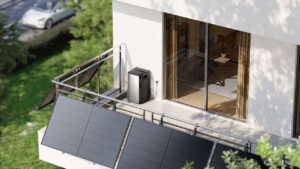
In the meantime, EnergyAustralia – like the other legacy retailers – is seeking to reposition its image with new “Doing, not just Dreaming” campaign, and initiatives that offer solar and battery installations to households at no upfront cost, and full ownership after seven years.
You can listen to the Energy Insiders podcast here. A transcript will be published in the next day or two.