A controversial plan to burn waste wood in a now shuttered coal fired power station has been approved by the NSW state government, but is headed for independent review because of the weight and number of submissions that oppose it.
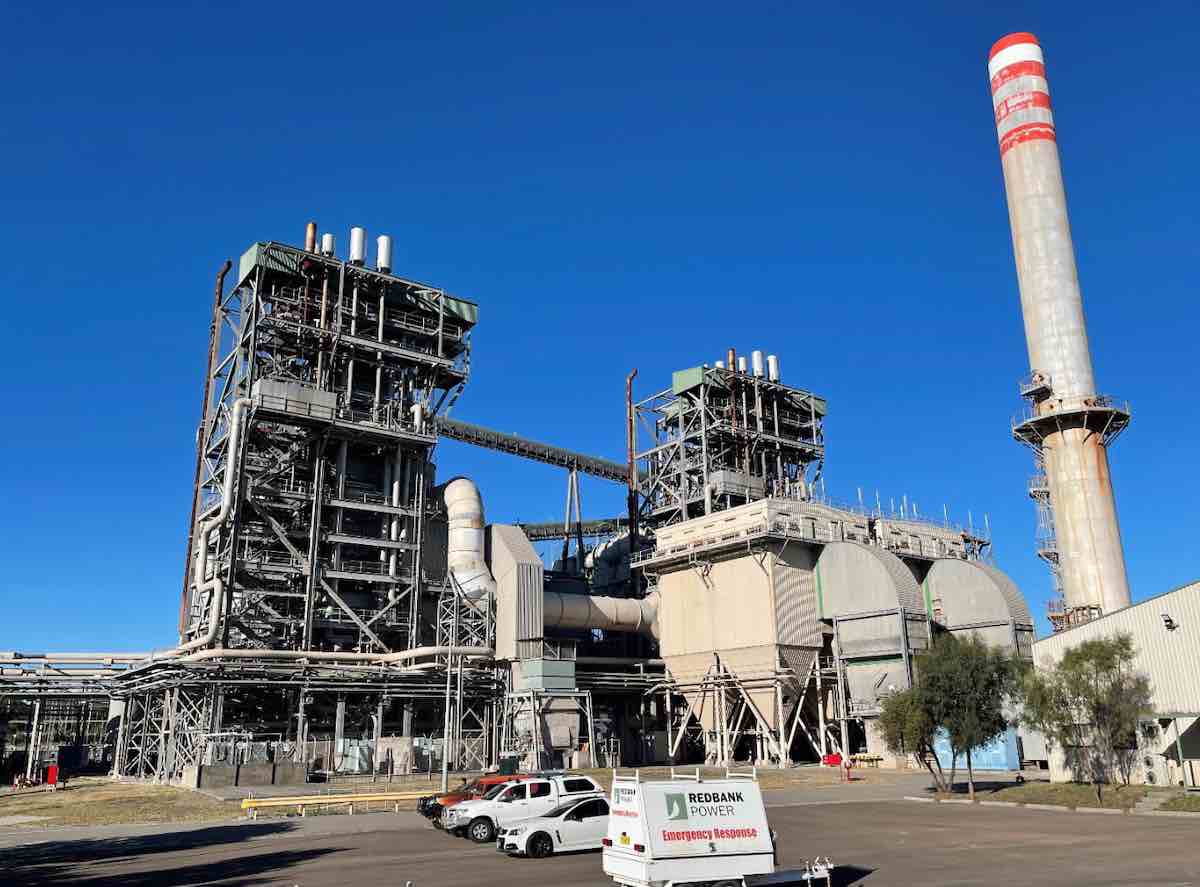
The Redbank power station, between Maitland and Muswellbrook in the Hunter Valley, was opened in 2001 but shut down in 2014 after it lost its local supply of coal tailings that it was burning to make electricity, and which made it the one of the most polluting generator in the country.
New owner Verdant Earth wants to reconfigure and re-start the power plant, this time burning wood waste, which under Australian rules would count as zero emissions on the basis that amount of carbon emissions from the burning is no different than if the wood – or other biomass – rotted away on the ground.
In a much delayed decision, the NSW planning department has given conditional approval to the project, but the project has been automatically referred to the Independent Planning Commission because of the more than 200 submissions against, many on the basis of greenhouse and other pollution.
Verdant Earth, formerly known as Hunter Energy, wants to spend $70 million refitting the plant and plans to burn 700,000 dry tonnes of biomass a year at the plant, which will have a rated capacity of up to 151 MW, and would operate 24 hours per day, seven days a week.
Environmental groups oppose the project, despite a decision by Verdant to drop its plans to burn native forest wood chips and residues, and instead focus on invasive pine plantations in the state’s west that it says are being bulldozed and burned in any case.
But controversy rages around the burning of woody biomass for power generation, both here and overseas.
In the UK, the Drax power station, already converted from coal to wood, is regarded by environmental groups as the biggest emitter in the country, yet it still receives public subsidies of £2 million per day in public subsidies because biomass generation is currently defined as carbon neutral in UK carbon budgets.
“Emissions from Drax increased 16% in one year, and are equivalent to more than 10% of the UK’s entire emissions from transport,” the climate and energy think tank Ember noted last week. “Drax generated 15 TWh in 2024 by burning 7.6 million tonnes of wood, of which 99% was imported.”
According to the NSW department of planning, there were 215 submissions objected to the project and 162 submissions supported the project.
Key reasons for objection, it noted, included concerns about greenhouse gas emissions, offsite biodiversity impacts to source biomass for fuel and air quality and human health impacts from the operation of the power station.
In a statement published last year, The Australian Institute wrote that the environmental impact statement (EIA) for the project vastly underplayed the greenhouse gas emissions and other potential environmental impacts.
“This project should be rejected and allow community, regulatory and investor focus to return to viable, sustainable renewable energy projects,” the TAI wrote. It also doubted the case for a new baseload power generator of any sort, given the shift towards flexibility as more wind and solar entered the grid.
The planning assessment noted that “the key risk” for the project is the potential for impacts to human health from air quality emissions from the combustion of biomass.
It said it had worked that after discussion with the EPA it had concluded that it is possible for the project to comply with the existing regulatory framework.
A public meeting will be held on August 11.