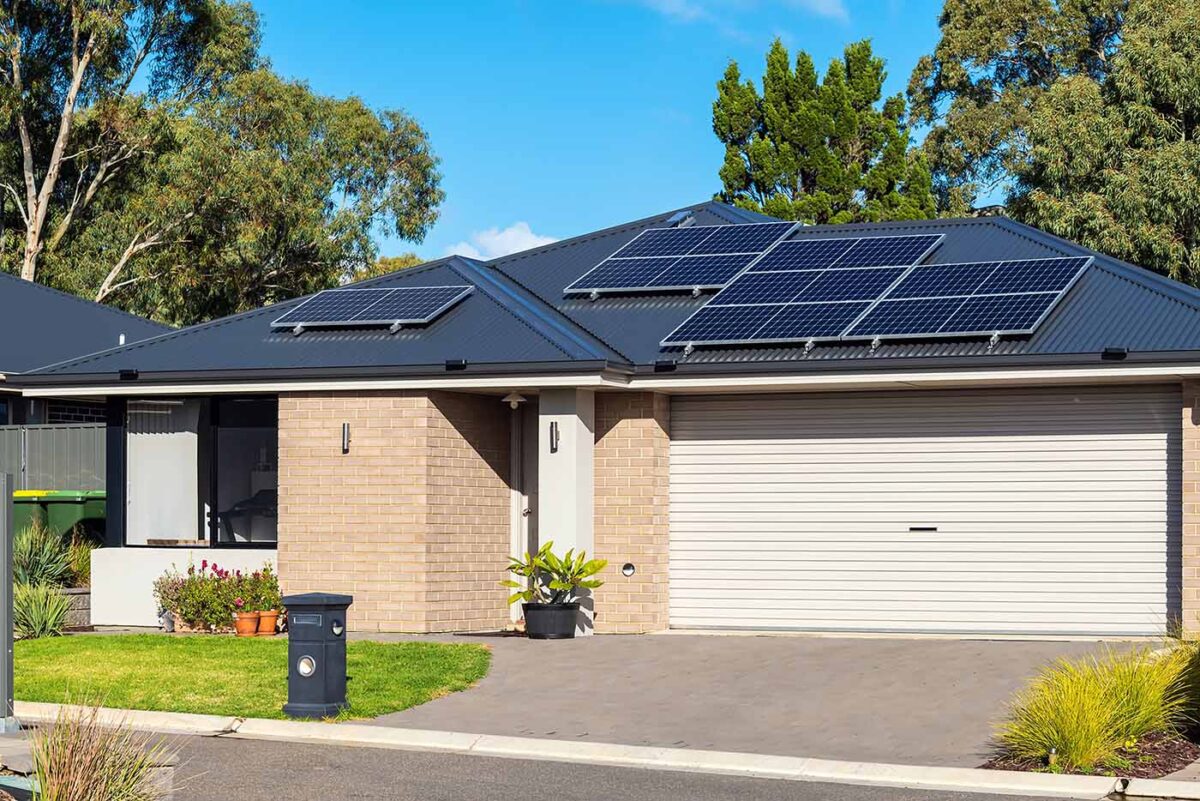
In Australia’s federal election, household renewable energy wasn’t just a winning policy – it also connected Australians to our common values of resilience, innovation, and respect for our sunburnt country.
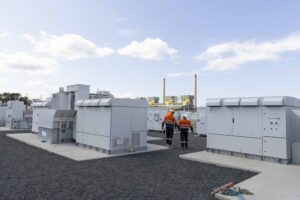
The Cheaper Home Batteries Program – a rebate of around 30% on home batteries – was the major federal energy announcement and since its launch it has proven incredibly popular.
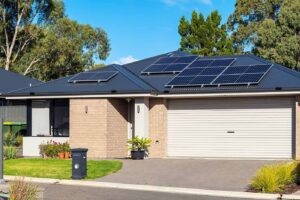
Since last July, around 1,000 batteries a day are being installed – mostly in outer suburbs and regional Australia. It built directly on the success of rooftop solar, one of the quiet triumphs of Australian households over the last two decades. And this matters, because it gives the second term Albanese government a mandate to do more on home electrification.
But there was one glaring omission from the Albanese election package – renters. The missing piece in Australia’s solar success story.
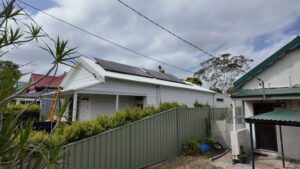
More than one in three Australians rent their home. Yet most of our clean energy success stories – rooftop solar, batteries, energy efficiency upgrades – still assume you own your house.
The Greens released a solar rights for renters policy just weeks before the federal election, but there simply wasn’t time for it to gain traction in the campaign.
At Solar Citizens, we know this gap well. We’ve been working on solar-for-renters solutions since 2022, when the energy crisis collided with the cost-of-living crisis. We’ve tested policy ideas with experts, allied organisations, our supporters, and the wider public.
The challenge is well known: split incentives. Landlords pay. Renters benefit.
That’s exactly why the federal government has a key role to play to unlock solar for renters.
A growing coalition – and a tested idea
Over the past few years, Solar Citizens secured endorsement for a solar-for-renters ask from the Renew Australia For All alliance – 72 organisations, spanning unions, faith groups, social services, housing advocates and renter organisations.
And after the federal election, Solar Citizens has taken this campaign further. We decided to test our research into policy solutions – and test them publicly.
So we ran a Pol.is campaign: an innovative, open-source participatory democracy platform that helps diverse groups find areas of genuine consensus.
Over December and January, thousands of Australians were invited to participate. 717 people completed the survey, with around one-third of that number being landlords, around one-quarter renters, and the remainder owner-occupiers and general public.
The strongest point of consensus? Accelerated depreciation for landlords who install solar and energy-efficiency upgrades, paired with minimum energy-efficiency standards set by states.
In other words: a carrot-and-stick approach: Tax incentives to act early. Clear standards so everyone lifts together.
Why now?
This is the moment where the policy, politics and public mood line up.
First, batteries are politically popular. Australians understand home battery storage. They understand bill savings. They understand energy independence.
Second, rooftop solar is already mainstream. Australia leads the world in rooftop solar on free-standing homes. The technology is cheap, proven and trusted.
Third, large-scale renewable energy zones – while essential – are slower, more contested and more complex. Rooftop solar can scale now.
With the right policies, we could double rooftop solar in Australia backed by storage by 2035 and do it in a way that includes renters, not excludes them.
A global moment, too
Australia will play a leading role at COP31 as President of Negotiations, which includes setting the action agenda. COPs today aren’t about discovering new solutions – they’re about scaling what already works.
Australia already shows the world what’s possible on owner-occupied homes. Solar for renters is how we show leadership on equity. It positions Australia not just as a rooftop-solar leader, but as a country willing to tackle the harder problem: making sure the benefits reach everyone.
This matters across the Asia-Pacific, where many countries share Australia’s high solar potential and high rental rates. We’ve already seen what grassroots demand can do in places like Pakistan, where soaring power prices and cheap solar panels have driven astonishing uptake in just a few years.
Australia may be the tortoise, not the hare — but we know how to build durable systems.
A rare alignment of tax reform and fairness
There’s another reason this moment matters. Proposed changes to capital gains tax discounts – aimed at helping younger Australians into home ownership – open the door to rebalancing tax settings for landlords in a way that actually benefits renters (and the energy grid, and the environment).
Solar can cut household energy bills by around $1,400 a year. That’s real money renters can save towards rent, stability, or eventually a home of their own.
Design tax incentives well, and solar for renters becomes:
– A cost-of-living measure
– A climate policy
– A housing fairness reform
All at once.
The choice in front of us
Australia’s clean energy transition has been powered by people. Solar for renters is the next chapter, and the one that determines whether this transition is truly fair.
The policy tools exist. The public support is there. The global moment has arrived. Now is the time to unlock the roofs Australians already live under – and make sure the clean energy future includes renters, not just owners.
Heidi Lee Douglas is the CEO of Solar Citizens