Australia-based thermodynamic smelting technology group Metal Logic is using Danish toy maker Lego as the template to cut the carbon footprint of steelmakers.
Metal Logic CEO Joel Nicholls told Renew Economy the goal is to disrupt the high-emissions steelmaking industry by revamping the centuries -old blast furnace process by installing small modular furnaces near iron mines.
The furnaces designed to achieve greater thermodynamic efficiency don’t require coking coal to smelt crude steel, effectively eliminating the need for fossil fuel.
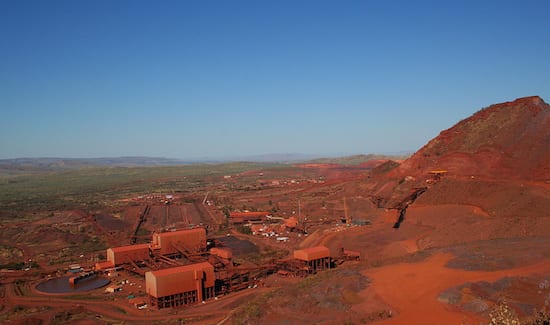
With some of the world’s richest iron ore deposits located in Australia’s Pilbara region, Nicholls sees thermodynamic energy paving the way for Australia to eventually play a global role in clean steel production, despite being a minnow on the international steelmaking stage — Australia ranks 28th in steelmaking world.
“To do that, we must rethink how we build this industry from the ground up,” Nicholls said. “Rather than locking billions of dollars into massive, one-off green steel plants, we need to take a page from LEGO and build smart, scalable, modular systems that can grow as demand does.”
The company recently acquired a site in the Pilbara and is receiving support for its technology from segments of the iron ore and steel industries, including from Australia and Japan, allowing it to begin commercialising at an industrial scale of 1 million tonnes per year, according to Nicholls.
“We’re ready to deploy systems that can scale alongside customer demand — not in decades, but now,” Nicholls said.
Steelmakers have long relied on blast furnace technology that can waste up to half their input energy melting down iron ore.
Even modern blast furnaces and their “green” alternatives operate at only 25–65% of the thermodynamic ceiling of approximately 7.5 gigajoules per tonne of iron, according to the International Energy Association.
IEA research shows entrenched reliance on coal, coke, and outdated furnaces generates over 2.8 billion tonnes of CO2 emissions annually, while helping keep steel prices high and locked into inefficient chemistry.
Metal Logic’s thermodynamic model of transferring heat into useful energy varies greatly from ways other companies are pursuing cleaner steel solutions, such as using hydrogen in a shaft furnace to reduce iron ore into metallic iron, increasing the use of scrap metal in electric arc furnaces and implementing carbon capture technology.
Metal Logic’s modular, distributed approach of “mobile metallisation” mirrors how LEGO became a global powerhouse: “start small, make every piece compatible and grow as a scalable array,” said Nicholls.
By applying that same principle, iron ore-endowed countries such as Australia, can rapidly build clean steel capacity without waiting for monolithic, capital-intensive projects to break ground, he said.
More than 1,650 existing steel plants across the globe will need to decarbonise to lower emissions to meet reduction targets, which will simultaneously trigger the need for green energy, according to McKinsey and Company.