With expectations low that the federal government will aim high on a 2035 emissions reduction target, the biggest opportunity for climate action lies in reforming Australia’s planning laws, says economist and Climate Councillor Nicki Hutley.
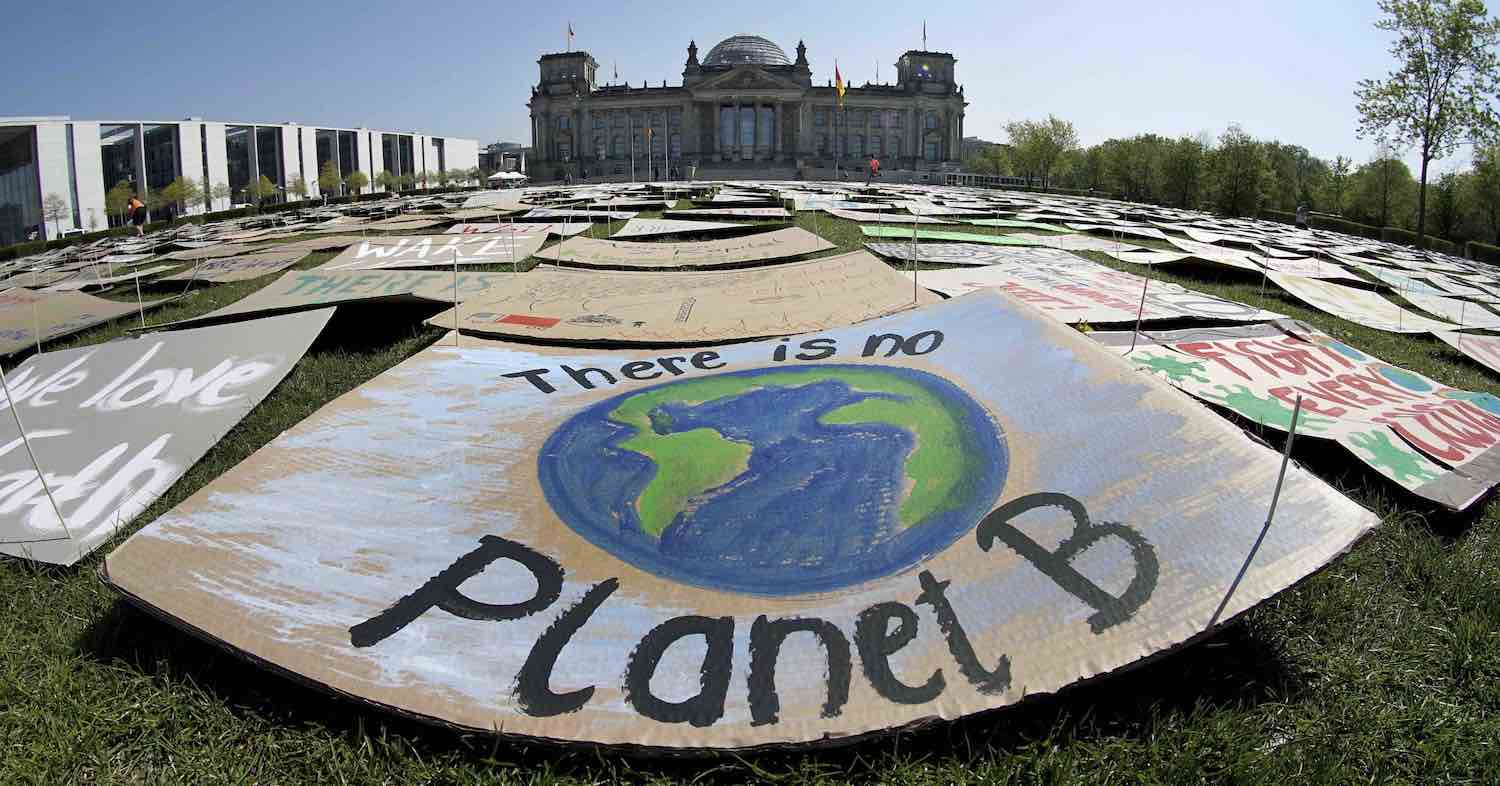
Her comments come a day after the independent climate science organisation released a report urging Australia to aim for net zero by 2035 or face dire climactic consequences.
Those consequences include regular 50ºC days in capital cities and rising numbers of heatwaves, droughts, extreme storms and floods. This is over and above the $1.8 billion in insured damages from natural disasters Hutley says has been billed in 2025 alone.
“You’re seeing in Australia this wave building of economists, people like Ken Henry, Ross Garneau and Rod Sims from the Superpower Institute, all building this wave of momentum behind why the economics of climate action don’t just make sense but is absolutely critical,” she said during a media briefing.
“Possibly the biggest opportunity… [is] some of the reforms around the [federal environmental process] EPBC.
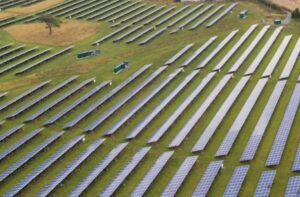
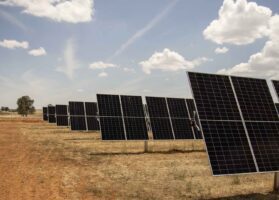
“If we look at the the impact of planning and broken environmental laws on holding back the transition of the energy sector… if we can get that to happen, that could make a massive difference to the speed and roll out of the transition, the uptake of of renewables… because every there’s so much that is reliant on the energy sector.”
And yet currently federal environment laws don’t include any reference to climate.
The 25-year-old EPBC asks only that the government assess projects against matters of national environmental significance (‘MNES’).
And while long-awaited reforms are on the agenda for the federal EPBC, these are unlikely to include a climate trigger which would the government to reject projects based on their emissions and climate change impact.
Instead new environment minister Murray Watt said in June he’s got to weigh considerations from groups who do want climate considerations to be part of the country’s environmental protection laws — and those that don’t.
EBPC reforms in 18 months?
Environmental planning processes are the biggest pain point, particularly for wind projects which often languish for years in the federal environmental approval system before getting a decision on whether they are a controlled action or not.
Recently a coalition of industry, environmental groups, unions, and investors came together to plead with Watt to restart EPBC reforms, saying the decades-old regulations neither protected nature nor supported companies to do so.
In June, Watt revealed a new timeline for delivering the long delayed reforms, proposing to knock them out as one package within 18 months. But he also tacitly rejected including a climate trigger.
The reforms were originally supposed to be a package deal in 2023 but split into stages when industry, including miners, pushed back. Labor then indefinitely delayed a full-scale revamp.
The first stage set up a voluntary biodiversity market.
The second stage was to establish a national environmental regulator and environmental data agency, with a statutory definition of “nature positive” to help with data collection and monitoring. It was killed by mining activists and WA Labor premier Roger Cook and buried in November when Prime Minister Anthony Albanese scrapped a deal with the Greens to pass legislation to set it up.
The third stage would have created legally enforceable national environmental standards to guide project assessment, approvals, and the use of biodiversity offsets.
It’s not all heavy industry
While green hydrogen proponents realise the clean lines drawn from no industry to green steel and ammonia exports won’t play out as anticipated, and big ideas around the technology fall over, there are other economic opportunities that Australia needs to take note of.
Hutley says we tend to think of the energy transition as being from brown to green, when long before this Australia’s own economic transition has been from manufacturing to services.
“The service sector, particularly things like tourism, are still a relatively small part of the economy. But obviously education exports, things like legal services related to M&A activity in the renewable sector, all of these areas are growing too,” she says.
“There are broader opportunities across the economy that are happening now.”
For now, however, Hutley says the government must lean aggressively into getting more clean energy into the grid to enable “all other sectors”.
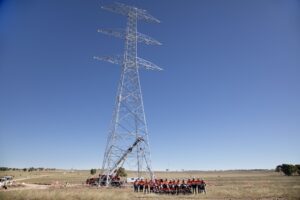
This is not new news to a federal government that is currently investing in building a solar panel manufacturing industry at home, supercharging home battery registrations at a rate of 1000 a day with a 30 per cent rebate, playing a role in pushing forward large scale generation and storage with the Capacity Investment Scheme (CIS), and spending $19 billion on the transmission line Rewiring the Nation fund.
But for the companies which get the big generation projects off the ground, it’s the choose-your-own-adventure journey through the federal EPBC process which is top of the list for change.
What will the new targets hit?
The Climate Authority is due to deliver its delayed emissions targets for 2035 to energy minister Chris Bowen soon, with the Climate Council expecting these to be announced in September.
But while it’s calling on the government to be ambitious and bring forward a net zero Australia to 2035, from 2050, expectations are for a 65-75 per cent reduction in emissions by 2035.
Climate expert David Karoly says net zero by 2035, assuming it’s implemented by all countries around the world, is the only way to keep global warming to near 2ºC in future, based on what scientific studies are showing about how existing warming is beginning to affect the world.
“The sensible option is to focus on the strongest target possible that will keep Australians and Australian environments safer and protected as much as possible from the adverse impact of ongoing warming in Australia and globally,” he said during the Climate Council’s media briefing.
“It’s critically important that that stronger target, the strongest target possible… if we want to limit global warming, to be below two degrees of warming, then the Australian target, the best effort should be to seek to achieve net zero emissions.”