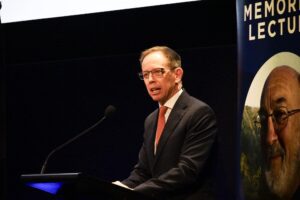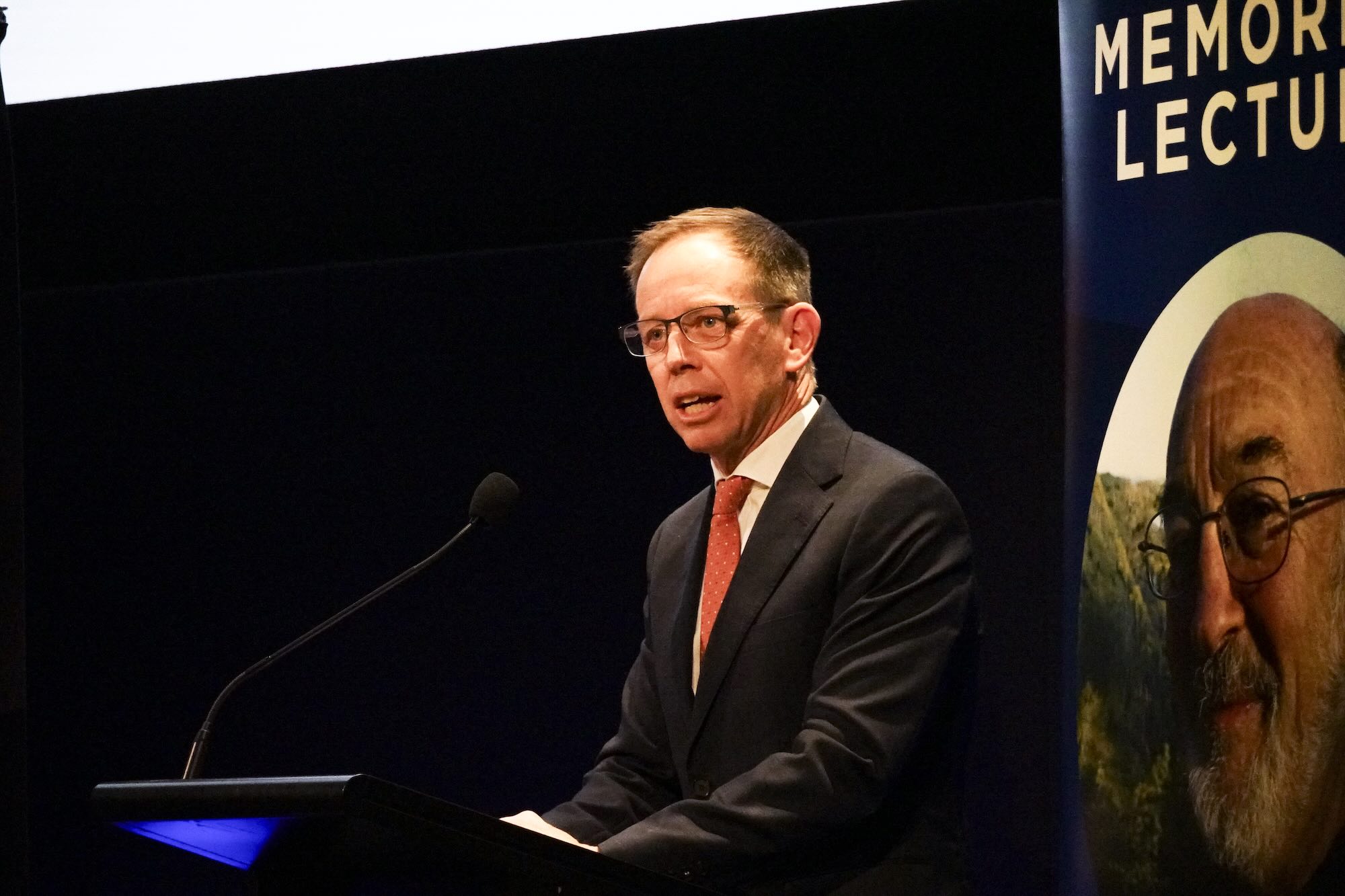
The ACT’s climate efforts are being hampered by a lack of ambition that is demonstrated by the government’s delayed and “anaemic” climate strategy, former energy and emissions minister Shane Rattenbury said.
“While the direction is as you would hope, and it says many of the right things, the jury is still out on whether it is worth the paper it is written on,” Rattenbury told the Dr Hugh Saddler Memorial Lecture hosted by The Australia Institute earlier this week.
While the strategy at least kept initiatives already underway and retained all the targets, its own assessment rated most of the new programs as likely to have little impact, he said.
“For emissions reduction, seven are [rated as having] no impact, 19 are low impact, three are medium impact and one is high impact,” Rattenbury said. “On the adaptation side, 15 are rated as having no impact, five low impact, nine medium, and one high.”
In subsequent comments to Renew Economy, Rattenbury said the strategy, covering 2026-36 should have been released before the year had begun, not seven months in. As its release followed this year’s territory budget, it also meant that “there was no money” to fund the programs.
“It looks a bit anaemic,” he said. “The risk is the drift … and a lack of ambition.”
Rattenbury, a Greens MP until his resignation in April, was previously a minister during the years that Labor administered the ACT in coalition with the Greens. That partnership ended after the 2024 elections.
“Labor said the budget priorities would be to fund Labor’s [election] commitments,” he said, reflecting on the cause of the breakup. “They told us, ‘we’re not interested in funding yours.’”
As energy minister, Rattenbury joined the regular Energy and Climate Ministerial Council as the sole Greens minister among a Labor-dominated group.
Rattenbury said it was important that tackling climate issues remained a priority, not least because the issues were already serious and getting more so.
“The first bit [of cutting emissions] is relatively easy,” he said. “What’s needed is behavioral change in a much more substantial way in the community” for the next stages.
“As it gets harder, you have to try harder,” he told Renew Economy.
In the speech, Rattenbury traced the development of climate action in ACT in the wake of the 2007 election of Kevin Rudd.
That year, Rattenbury attended the Bali UN climate summit – where Rudd signed Australia up to the Kyoto Protocol – in the capacity of a Greenpeace International delegate.
The ACT would go on to adopt emissions reduction targets versus 1990 levels, unlike the 2005 baseline set by subsequent Labor and Coalition Commonwealth governments.
The 1990 yardstick was “a real baseline”, Rattenbury told Renew Economy.
“As a newly elected [member of the legislative assembly], that became the basis of our negotiations for climate action, arguing the ACT must adopt these international standards and legislate a target of 40% reductions by 2020,” he said in the lecture.
“I dwell on this story a little because it is fundamental to the ACT’s journey, and demonstrates the threads at play – international science and cooperation, voter influence, use of the political power and opportunity presented by balance of power, and community campaigning – all coming together to ensure this target was set in legislation,” he told the audience.
“This transformed the way the ACT approached climate action – unlike many other jurisdictions at the time who had aspirational targets, our target was now a matter of law.”
“For me, this is a lesson in ambition. I can honestly say that when we legislated the reduction target I did not exactly know how we would get there, or even whether we could,” Rattenbury said.
“But the value of setting the target was the creation of the expectation that we should, and then following it up with sustained support for the ideas being brought forward to deliver it.”
Rattenbury’s speech was in tribute to Dr Saddler, a prominent energy analyst who advised governments and provided media commentary on emissions, energy efficiency and other matters for decades.
Renew Economy has approached ACT energy minister Suzanne Orr for a response.
To join more than 29,000 others and get the latest clean energy news delivered straight to your inbox, for free, click here to subscribe to our free daily newsletter.