
Two summits. Two radically different visions for the future of farming in Australia.
In a video address to The Australian’s Bush Summit in Broome last week, billionaire mining magnate Gina Rinehart painted wind, solar and transmission projects as a scourge across rural Australia, describing their spread as having a “heartbreaking impact” on farmers and their communities.
She warned of a “net-zero siege” shackling farmers with “restrictions, paperwork and huge expense.”
But while Rinehart fostered alarm, in Canberra this week farmers are telling a very different story.
At the inaugural Farming Forever Summit, hosted by Farmers for Climate Action (FCA), producers from across the country shared first-hand accounts of how renewables are not destroying their livelihoods, but saving them.
They spoke of wind turbines and solar panels that deliver steady, drought-proof income streams, reinvestment opportunities for farm infrastructure, models that allow grazing and cropping to continue alongside clean energy generation, and the benefits of going fully electric.
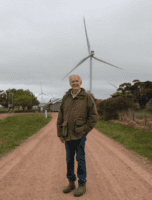
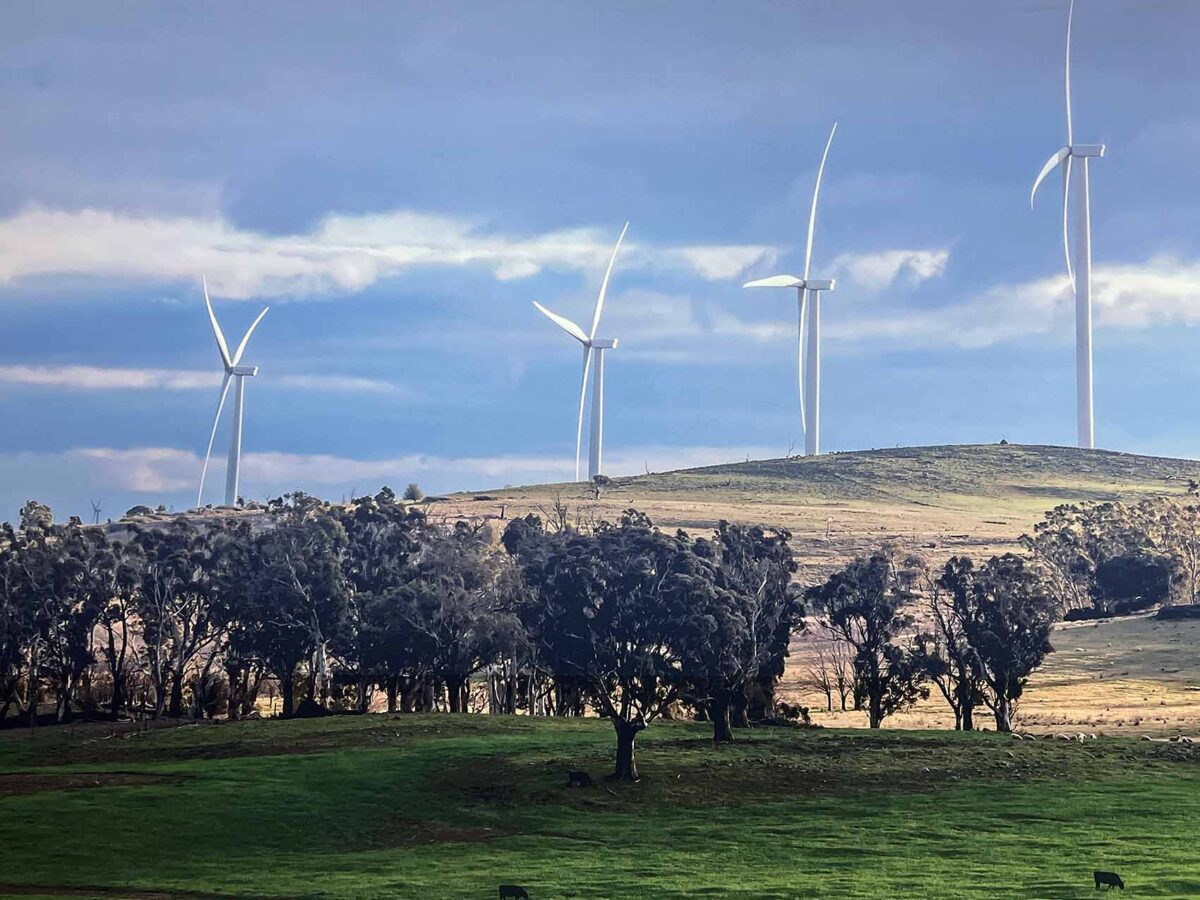
Fourth-generation sheep and cattle farmer Charlie Prell told the summit that wind turbines were the reason his family farm in Crookwell, NSW, survived.
“In the early 2000s my family farm was on the brink. Years of drought and low commodity prices had pushed us to the edge of bankruptcy,” he said, standing before an image of turbines on his property.
“The turning point that came into my life was those wind turbines … they saved our farm. They allowed me to retire with dignity.”
For Prell and many others, renewables are not an imposition — they are a lifeline.
Surveying the farming front lines
Backing these stories, FCA released its latest Agricultural Insights Study at the Farming Forever Summit, offering a clearer picture of farmers’ views on climate change and renewables than Rinehart’s claims that renewables will spell the end of farming.
Of the 618 farmers surveyed:
- 71% said they have already invested in emissions reduction measures, from renewable energy to soil health;
- 57% nominated climate change as their top concern, well above bureaucracy (16%) and rising costs (15%);
- A striking 93% reported experiencing at least one extreme weather event in the past three years;
- Nearly 80% support urgent updates to energy infrastructure and regulations to ensure farmers receive the benefits of the clean energy shift;
- 65% are looking to produce and store clean energy on-farm.
“These results show a sharp upward trend in those naming climate change as their number one concern,” said FCA CEO Natalie Collard. “Farmers are already facing drought, unseasonal rainfall and unpredictable growing seasons, making it harder to grow the food we eat.”
Prell reinforced the point: “Farmers are on the front line of climate change. Cropping windows are changing. Feed quality is declining. Climate change is the quiet pressure behind everything that farmers do.”
The survey and testimony underline a deep contrast: while Rinehart claims net-zero is suffocating agriculture, farmers themselves are overwhelmingly identifying climate change, not renewables, as the existential threat.
A warning to the renewable industry
However, the summit was not a one-sided cheer squad for renewables. Farmers acknowledged there are right and wrong ways to roll out big regional projects. Several voiced frustration that farming communities are often excluded from the decision-making table.
“This is about farmers being at the table, not on the menu,” said Prell.
Prell was blunt about his experiences of the early years of the renewables industry: “A lot of the behaviour of the [renewable] developers wasn’t even fair. It wasn’t even ethical. They were offering rushed contracts, dividing neighbours, locking farmers into deals they barely understood.”
Those practices, he argued, and other speakers echoed, left scars that still fuel distrust, giving ammunition to anti-renewable voices who peddle misinformation and dominate headlines, drowning out the majority of farmers views.
The challenge, as many at the summit stressed, is to repair those relationships, ensure farmers have genuine agency in the transition, and prove that renewables can strengthen rather than undermine rural communities.
Because while billionaires like Rinehart see a “siege,” many farmers see survival. And as climate pressures mount, the question is not whether renewables belong on the land, but how to build them in ways that keep farmers in control of their future.