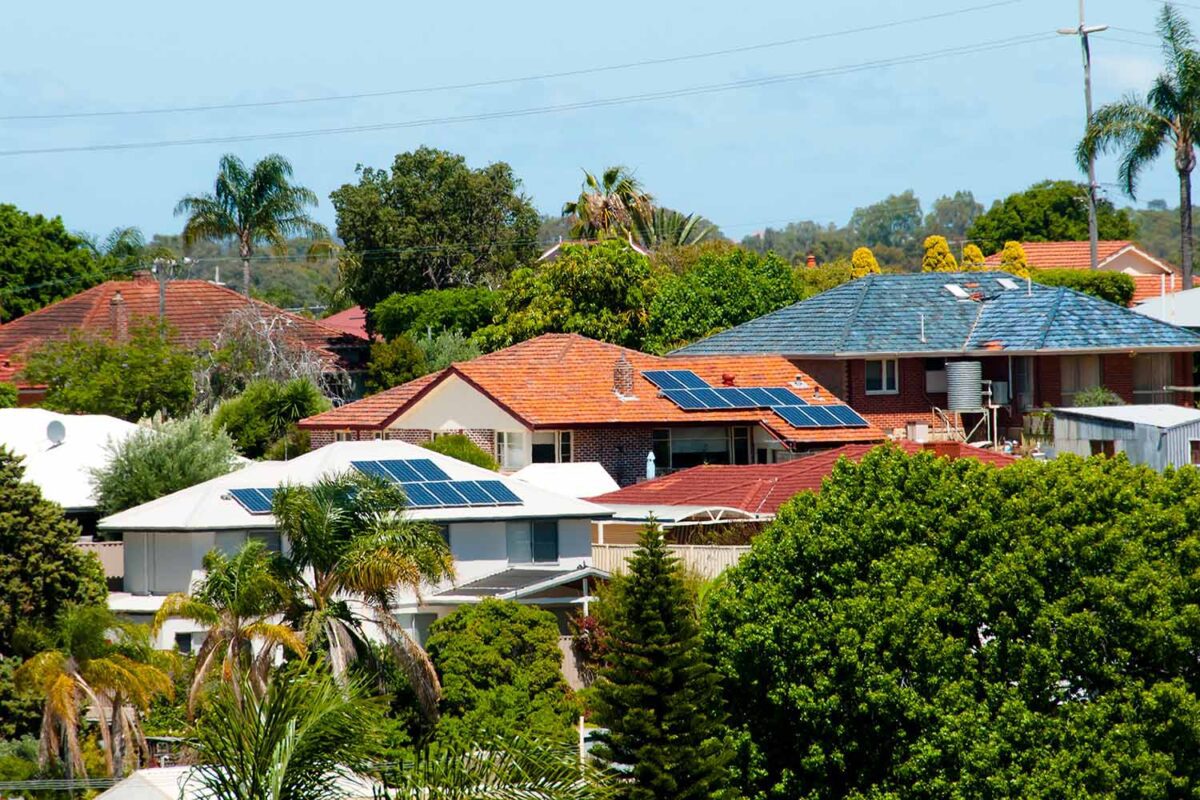
New South Wales is tightening the eligibility criteria for its Home Energy Saver program to better target households that need it most, following a galloping start for the scheme that offers zero interest loans for energy upgrades ranging from insulation to solar panels.
State energy minister Penny Sharpe says more than 15,000 households across NSW have been approved for zero interest loans of up to $15,000 under the program in the just five months since its launch in June of this year.
The loans, which are repayable over a period of up to 10 years, ensure that households can get access to energy bill-shaving upgrades without having to stump up with the upfront costs – an impossible hurdle for many.
Upgrades include everything from solar, household batteries, insulation, reverse-cycle air conditioning, switchboard upgrades, ceiling fans, and draught-proofing.
The households taking up the loan span 539 postcodes, with 47 per cent in Greater Sydney and 53 per cent across the rest of NSW, including the regional and coastal hubs of Armidale, Broken Hill, Dubbo and Port Macquarie.
The program was originally available to households with a combined taxable income of up to $210,000, but the government is reducing that threshold to $150,000 from 10 November in an effort to refocus the assistance to low- and middle-income households.
But while the threshold for eligibility has lowered, the total $557 million investment originally on offer remains the same, with $480 million allocated for loans, and $77 million allocated for discounts on energy upgrades, a facet of the program the government expects to launch soon.
“Solar, batteries and efficient appliances can deliver lasting savings on power bills, but the upfront cost puts them out of reach for many families,” said Sharpe. “We’ve seen enormous demand for these loans since they launched in June, with more than 15,000 households already approved.
“We’re making changes to eligibility so the program is focused on helping low and middle-income households overcome the upfront costs of these upgrades.”
The NSW Minns Labor government pointed to a family from Sydney’s Northern Beaches who reported quarterly bill savings of around $950 after installing rooftop solar and a home battery.
Sharpe says the program is also helping to support over 700 suppliers and installers across the state, many of them small businesses.
“The strong take-up of this program shows just how many NSW households are ready to invest in smarter, cheaper energy,” said David McElrea, Smart Energy Council CEO.
“It’s also great news for the solar, battery and energy efficiency businesses doing the work on the ground, creating jobs and building skills across NSW.”
To join more than 29,000 others and get the latest clean energy news delivered straight to your inbox, for free, click here to subscribe to our free daily newsletter.