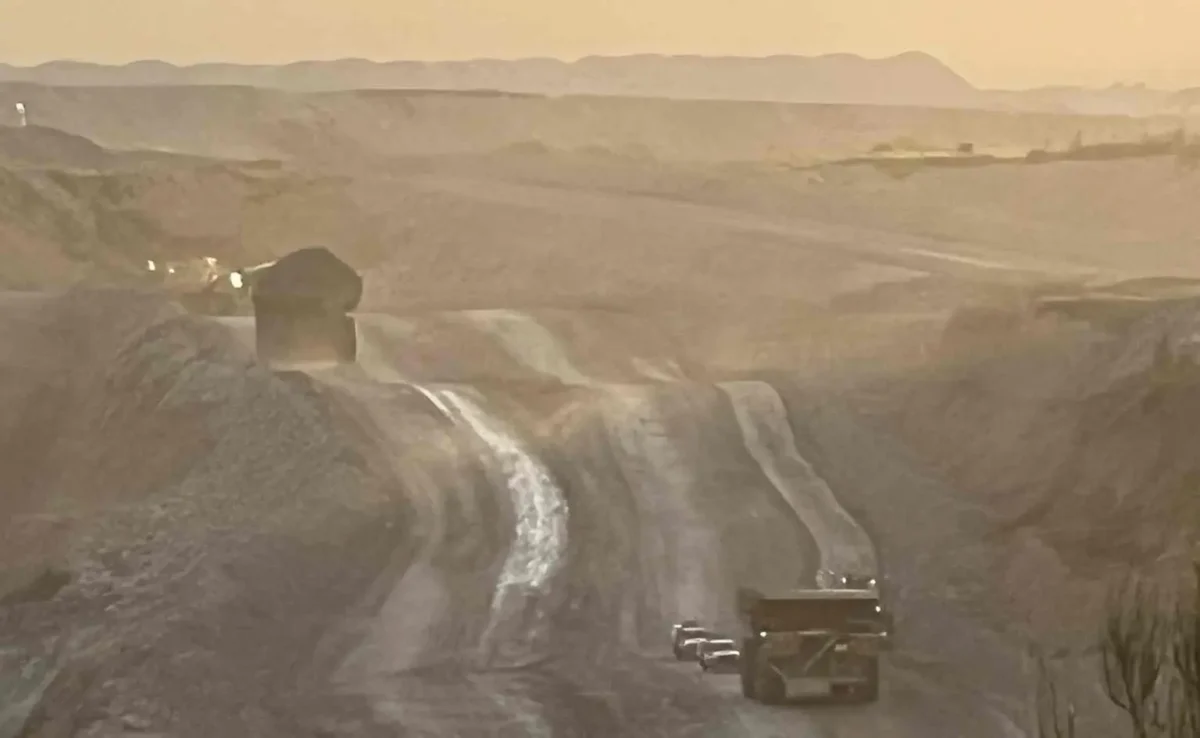
The fate of the biggest coal mine expansion project in Australia lies in the hands of the NSW Independent Planning Commission, after state planners declined to recommend approval.
Global coal giants Glencore and Yancoal are seeking approval for the massive expansion of the Hunter Valley open pit coal mining operations near Singleton in the NSW Hunter Valley and want to extract an extra 429 million tonnes of thermal coal, resulting in more than 800 million tonnes of Co2 emissions once burned.
The mines had been due to close, but were granted an 18-month extension to December this year while their application was considered.
The developers have refined their plans, reducing the proposed amount of coal to be mined by more than 200 million tonnes, and will now avoid high gas areas.
These revised plans still attracted 83 opposing submissions – forcing the project to be automatically referred to the IPC under state rules (any project with more than 50 opponents) – although 1,097 submissions were filed in support, many from employees, contractors and local businesses that benefit from the existing mining operations.
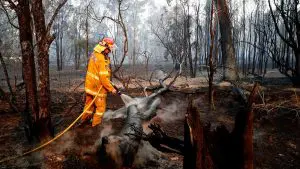
The revised plans include a commitment to use some renewables and electric equipment to reduce local emissions, but the Climate Council describes the project extension and expansion as a “climate bomb” that would contribute to worsening climate disasters.
“It would benefit large fossil fuel mining corporations while putting more Australians in harm’s way. It’s critical the IPC reject this coal expansion,” Climate Council CEO Amanda McKenzie said in a statement on Monday.
“NSW families and farmers are already facing rising insurance premiums, thanks to worsening floods and fires, and the average NSW resident is $20,000 a year worse off due to climate change impacts.
“The world won’t buy coal forever as every country makes the clean switch. NSW must focus on investing for the future – not past technologies. Clean energy and storage will diversify our energy sources and set us up for the future.”
The NSW Planning department did not provide an overall recommendation, but noted that the project would deliver net benefits of $5.69 billion to NSW, an average of 1,311 full time jobs over the life of the project, and cost just an estimated $3.8 million (in net present value) in emissions costs.
This latter assessment – based on work commissioned from EY – was ridiculed by environmental groups, who pointed out that emission impacts are global, not local, and the $3.8 million refers only to those emissions created on site during the mining process.
“The coal prices used in the economic assessment, reproduced in Figure 1, suggests EY and mine owners are assuming a coal market that is incompatible with a habitable planet,” The Australia Institute wrote in its submission.
“To simply assume the project can successfully find and keep buyers of 15 million tonnes a year of coal assumes either the owners of the mine are the world’s greatest coal salespeople, or a seaborne coal trade market outlook that is incompatible with climate scenarios that include a habitable planet.”
Climate Council councillor and leading climate scientist Professor David Karoly said any coal that is exported and burned outside Australia returns to us as climate pollution that fuels more dangerous disasters.
“NSW communities are already highly vulnerable to the increasing threat of bushfires, severe river flooding, and more frequent and intense coastal storm surges from ongoing sea level rise, thanks to the burning of coal, oil and gas.
“Not only that, this coal mine expansion would also harm the Hunter River and local water resources, which local farming and tourism industries depend on.
“The IPC has an opportunity to consider the global and local climate impacts of this project and an obligation to reject it on climate grounds – to protect the people and environment of NSW. It is imperative that it do so.”
Among local groups opposing the mine expansion are thoroughbred breeders concerned about the impact on agricultural land, and dust. Curiously, the legions of long distance objectors who regularly oppose wind and solar projects because of their perceived impact on agricultural lands were silent on this proposal.
If you would like to join more than 29,000 others and get the latest clean energy news delivered straight to your inbox, for free, please click here to subscribe to our free daily newsletter.