Energy authorities in New South Wales have decided that the state’s giant but delayed “shock absorber” battery needs to be “paired” with a fourth generator as part of the complex plan to boost the transfer capacity on the state’s key transmission lines.
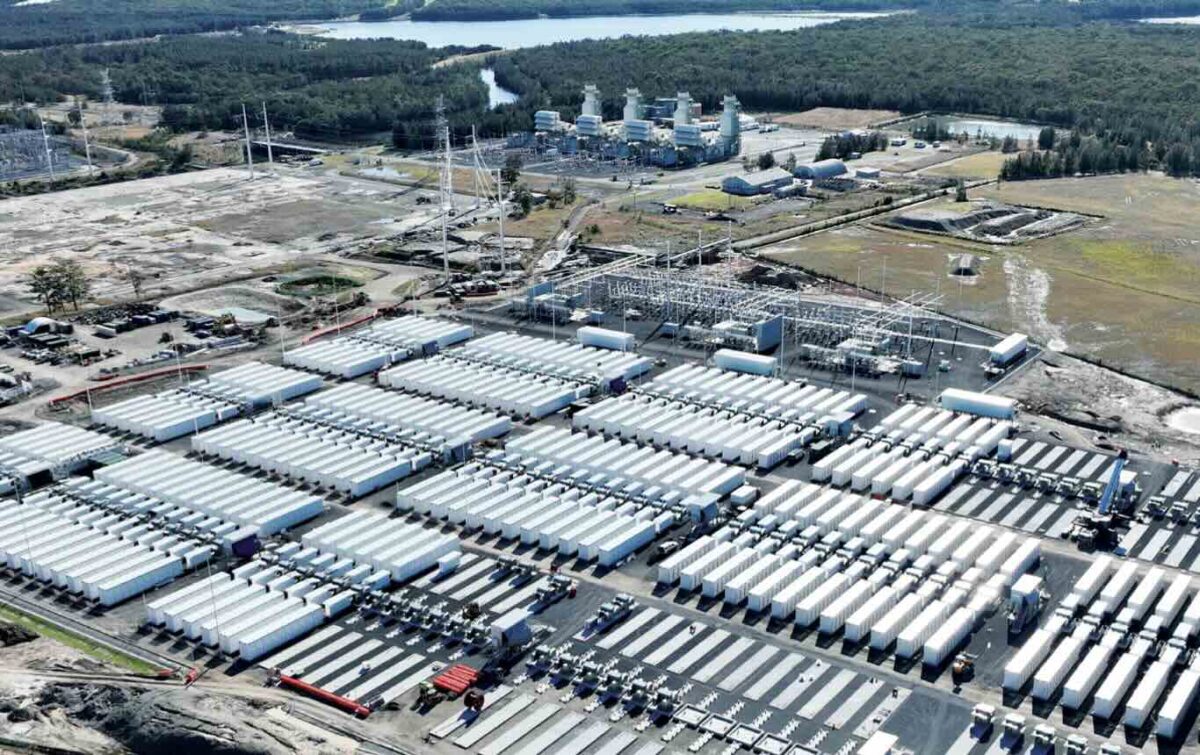
The construction of the Waratah Super Battery – the most powerful to be built in Australia – is a key part of the state government’s plans to deal with the expected shutdown of the Eraring coal fired power station.
Its role is to act as a giant shock absorber for the grid, providing a large part of its capacity on standby – ready to respond to any incidents. That allows the transmission lines feeding into the state’s main demand centres to to flow at much greater capacity.
The scheme – officially known as the System Integrity Protection Scheme – requires other generators to be “paired”, dialling down their output, for instance, if the Waratah battery needs to suddenly intervene and discharge its stored capacity in response to any incident.
Progress on the Waratah battery has been stalled, however, because of a “catastrophic” failure with at least one of its transformers, and it will not operate at its full 850 MW and 1680 MWh capacity until the end of the year.
It is currently operating on an interim basis at around half of its rated capacity, but the state has meanwhile been boosting the numbers of paired generators that will operate in tandem with the battery when needed.
Two generators were initially identified – the Metz solar farm and the Sapphire wind farm – and then Snowy Hydro’s Tumut pumped hydro generator was also added.
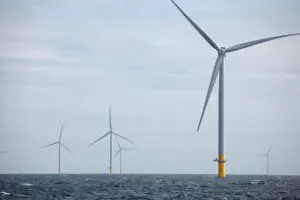
Now NSW’s EnergyCo has decided that a fourth paired generator is needed, the White Rock wind farm in New England, apparently to provide provides greater diversity of available generation during SIPS events.
A spokesperson for EnergyCo said it means the operability of the SIPS will be more robust.
“The paired generation services, provided by various generators, are designed to be available to support the SIPS irrespective of whether it’s operating on an interim or full basis,” the spokesperson said.
However, the addition of the White Rock wind farm will come at a cost. Transgrid, which manages the SIPS, estimates that it will cost $21.7 million to provide the communications it needs to send the appropriate signals.
In a submission to the Australian Energy Regulator seeking approval for the spending, Transgrid says the costs include cabling, amounts to account for property access risk, and labour and other indirect costs including insurance.
The application reveals that the deal with White Rock wind farm was agreed in December, but – like the other paired generation contracts, or even the payments to Waratah owner Akaysha Energy – these amounts have been kept under wraps.
However, Akaysha is expected to have missed out on sizeable payments because of the delays to the Waratah battery, initially because of construction delays mostly attributed to flooding issues and other bad weather, and then to the transformer problems.
The battery was schedule to deliver its full SIPS service in May last year, which was then delayed until near the end of 2025 and now until the end of 2026 while a new transformer is built, delivered and installed.
The SIPS contract is being delivered at half the original capacity in the meantime. The contract expires in 2030, having being schedule to start before the anticipated closure of Eraring in August, 2025. But now that coal fired power station is not due to close until April, 2029.
If you would like to join more than 29,000 others and get the latest clean energy news delivered straight to your inbox, for free, please click here to subscribe to our free daily newsletter.