The developer of a 2 gigawatt wind farm and big battery in the New South Wales Central Tablelands has announced it will deliver a minimum of 100 affordable housing beds for the region in what will be Australia’s first renewable-led, new-build community housing development.
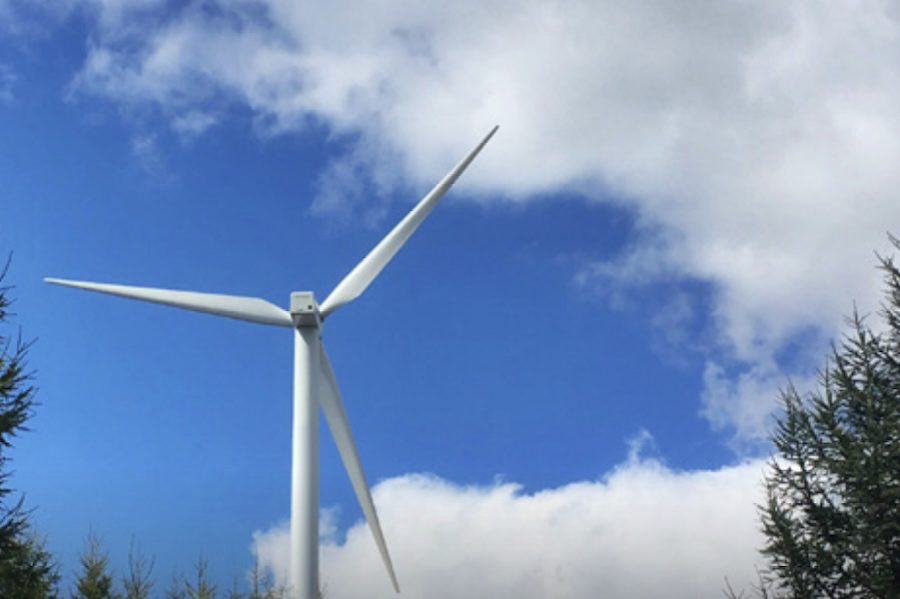
TagEnergy, which is currently building the 1.33 GW Golden Plains wind farm in Victoria, is also proposing to build The Pines wind farm, a 2 GW project with up to 250 wind turbines spread across state-owned softwood plantations in the central west of New South Wales.
The NSW Forestry Corporation awarded TagEnergy and its minority partner Stromlo Energy a feasibility permit for the proposed project back in early 2024, and the company is now well into its development and community engagement processes.
TagEnergy also announced late last year that it has committed to building a four-hour battery next to The Pines wind farm.
As part of this process, TagEnergy has partnered with BlueCHP, a tier-one community housing provider, to deliver a minimum of 100 permanent affordable housing beds in the nearby town of Oberon.
By linking TagEnergy’s clean energy investment with long-term social infrastructure for the community – and responding specifically to housing pressures – the landmark partnership would be Australia’s first renewable-led new-build affordable housing development.
“Across the industry, we recognise that renewable projects must do more than generate electricity,” said Andrew Riggs, managing partner for Australia at TagEnergy. “They must respond to the needs of the communities that host them.
“This partnership puts that principle into action. Working with an experienced community housing provider, we’re building long-term housing supply into the legacy of The Pines Wind Farm, an initiative than has the potential to be extended across other TagEnergy projects.”
The housing would first accommodate approximately 20 per cent of The Pines wind farm’s construction workforce – part of a comprehensive workforce accommodation program designed by TagEnergy so as not to create additional burdens for the local community. Following completion of construction, the dwellings would be transitioned to affordable housing accommodation to be managed by BlueCHP.
In addition to constructing the housing, The Pines wind farm will also contribute capital and ongoing funding to subsidise the delivery and long-term affordability of the homes.
“BlueCHP is very excited to bring its expertise to deliver and manage this project, making a long-term difference to the Oberon community,” said Charles Northcote, chief executive of BlueCHP.
“We are proud to partner with TagEnergy on a truly innovative model to provide affordable housing to local communities who need it most.”
The partnership and commitment to build affordable community housing was welcomed by Australian Energy Infrastructure commissioner Tony Mahar, who described housing availability and affordability as a constant pressure point plaguing large parts of the Australian community.
“I welcome the commitment from TagEnergy and their partnership with community housing provider BlueCHP to build permanent affordable housing in Oberon,” said Mahar.
“Done well, this will leave a long-term legacy and deliver a tangible benefit to the local community.
“For too long, some communities have felt like they are bearing a large proportion of the load when it comes to the energy shift. Measures such as investing in affordable housing, and more, must be part of the conversation going forward to make sure communities are better off as a result of the disruption and uncertainty many have faced.”