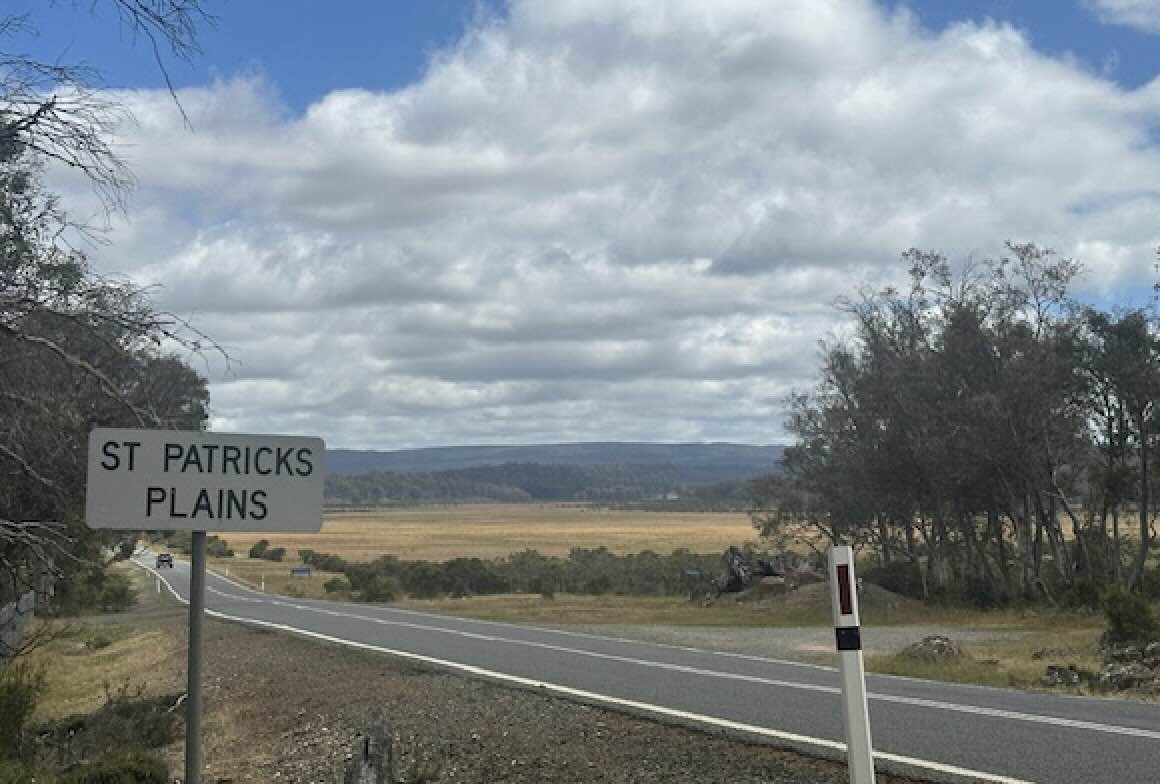
A federal government decision on the 291 megawatt (MW) St Patricks Plains wind project has been delayed a third time, just as an appeal against last year’s council approval has been rejected.
The EPBC set a new deadline for September 26 late last week.
But the reason for the new delay could be the now-resolved appeal started earlier this year by the Tasmanian project’s longstanding opponent, the No Turbine Action Group (NTAG).
When asked for the reason for the delay, a Department of Energy, Environment and Climate Action spokesperson said it was to “finalise all information required”.
St Patricks Plains was originally deemed a controlled action under the federal EPBC Act six years ago, in 2019, and the delays have added an extra four months to the process this year. Ark Energy bought the original developer, Epuron, in 2022 which required extra paperwork to be filed with the EPBC.
But the project finally received Central Highlands council approval in July last year.
NTAG launched its appeal against that decision in March on the grounds that the 231m blade tip height of the turbines is too high.
The latest update to the appeal came on Monday, when the Tasmanian Civil and Administrative Tribunal gave the project the go-ahead and both sides two deadlines to agree on improvements to noise and shadow flicker conditions.
Ark Energy’s Donna Bolton thanked locals near the proposed site and other stakeholders for their patience and support over what she called an extended assessment process.
“We will always seek to work with the community and other local stakeholders to minimise environmental impacts, be a good neighbour and deliver meaningful benefits to the local community and wider region,” she said in a statement.
NTAG has been a long-term critic of the St Patricks Plains project.
In 2021, it criticised the trimming of the project’s turbine numbers from 67 to 47 as “a token effort.”
It also accused the developer Ark Energy, which used to be called Epuron, as having “no social licence” for building a wind farm in what it described as a “biodiversity hotspot.”
Last year, the developer pushed back on the latter part of this claim, saying the Environment Protection Authority Tasmania, which assessed the project under the EPBC Act, deemed the wind farm to be “capable of being managed in an environmentally acceptable manner.”
Ark Energy is proposing to use the same bird-spotting cameras that shut down turbines when wedge-tail eagles are in the area and have been shown by other Tasmanian projects to work well.
- * This article has been updated with comments from the DCCEEW and Ark Energy.