It’s more than a little ironic that the Technology Investment Roadmap discussion paper released on Thursday by energy and emissions reduction minister Angus Taylor noted the limited range of electric vehicles on offer in Australia.
From failing to even discuss vehicle emissions standards, to issuing a one page promise to deliver an electric vehicle strategy – instead of actually just delivering it – it’s not as if the Coalition government has done anything useful to date to encourage car makers to import more electric vehicle models.
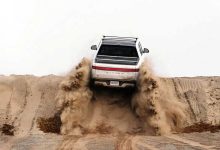
Instead a fear campaign was launched against Labor’s proposed 50% EV sales by 2030 target – a campaign that the Coalition has now admitted is a lie, as Senator Simon Birmingham conceded that electric utes will be available for tradies and that weekends will not be ruined because EVs cannot tow. (They can).
Electric vehicles are coming, the only question for Australian consumers is how quickly – given that the shift overseas is happening much more quickly thanks to new vehicle emissions regulations in the European Union and California.
Even in Australia, which is still being labelled a laggard in the shift to clean, electric mobility, auto sales have been down across the board for two years now, while EV sales are increasing, albeit from a very small base.
Which begs the question: if the uptake of electric vehicles is to gain hold in Australia, there need to be enough models that are fit for purpose for a range of uses – the very concern at the heart of the cries about utes for tradies and ruining weekends.
To read the full version of this story – and view the photo gallery – on RenewEconomy’s electric vehicle dedicated site, The Driven, click here…
RenewEconomy and its sister sites One Step Off The Grid and The Driven will continue to publish throughout the Covid-19 crisis, posting good news about technology and project development, and holding government, regulators and business to account. But as the conference market evaporates, and some advertisers pull in their budgets, readers can help by making a voluntary donation here to help ensure we can continue to offer the service free of charge and to as wide an audience as possible. Thankyou for your support.