Latest Smart Energy
CEFC commits $70 million to energy and transport projects backed by state-owned fund
CEFC provides another $70 million to help $100 billion state-run investment fund drive more emission cuts in portfolio companies.
0
Flexible with fridges: Iconic smallgoods company joins VPP to support grid at times of peak demand
Smallgoods company will join VPP, getting paid to power down its refrigeration units to relieve pressure on the grid at times of peak demand.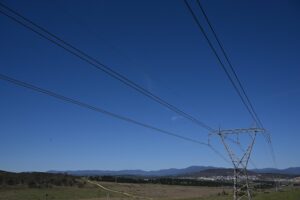
Demand response market may make room for new big players, but still no joy for small consumers
Demand Response – a key part of a flexible grid – may be expanded to include big new players like data centres, but small customers will be excluded.

All Smart Energy

CEFC commits $70 million to energy and transport projects backed by state-owned fund
CEFC provides another $70 million to help $100 billion state-run investment fund drive more emission cuts in portfolio companies.
Flexible with fridges: Iconic smallgoods company joins VPP to support grid at times of peak demand
Smallgoods company will join VPP, getting paid to power down its refrigeration units to relieve pressure on the grid at times of peak demand.Demand response market may make room for new big players, but still no joy for small consumers
Demand Response – a key part of a flexible grid – may be expanded to include big new players like data centres, but small customers will be excluded.
AEMO boss says energy retailers need to make VPPs more attractive for homes with PV and batteries
AEMO boss says energy retailers need to convince customers that VPPs offer good deal for their PV and batteries, and play a key role in the grid.
“They think it’s a scam”: Why Australian households don’t trust the virtual power plant promise
A lack of trust and complexity is making the idea of VPPs a very hard sell to the growing number of battery households, with only a tiny minority signing up.
Australian energy innovator Amber secures another $10 million in fund for global expansion
Australian energy innovator Amber has secured another $10 million in funding, including from one of the biggest energy utilities in Europe.