
Latest Commentary
Modelling spot prices in a post-coal grid, when big batteries will become the price setters
Electricity prices can be kept near today’s levels in a post-coal National Electricity Market, but need a system where batteries become the dominant price-forming technology.
2
Snowy could emerge as the fairy godmother in race for contracts and capital to replace ageing coal clunkers
Queensland’s decision to say no to renewables is bad news for some. But in NSW, it could help Snowy emerge to save the transition away from coal.
I am accused of being a global funds manager and half my age. But facts don’t matter in disinformation war
I am accused of being a global funds manager masquerading as a journalist. Facts don’t matter much in a war of disinformation waged agains renewables.
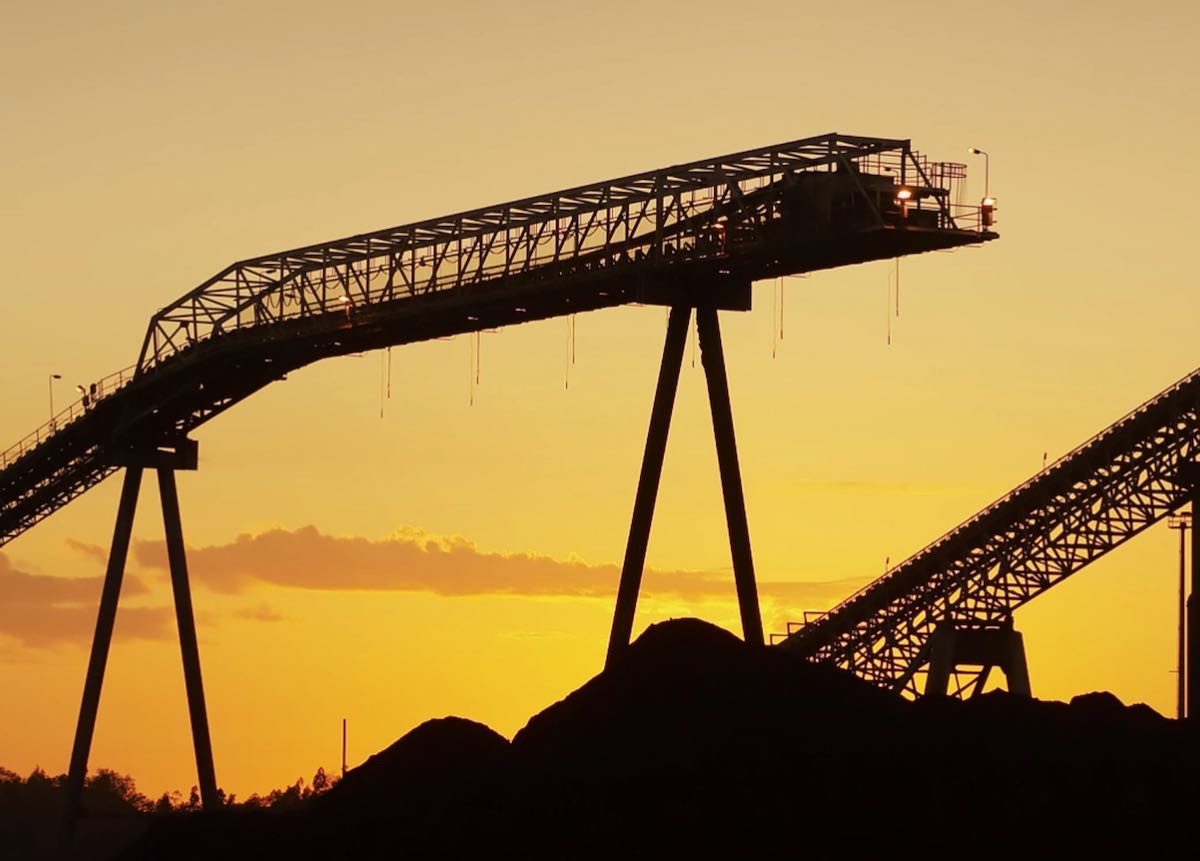
Australia wants to add 1.8 billion tonnes of thermal coal in face of declining market conditions
Australia’s thermal coal pipeline seems dangerously misaligned with market and climate realities in a landscape of shrinking demand, growing competition, escalating costs, climate risks and labour shortages.All Commentary

Modelling spot prices in a post-coal grid, when big batteries will become the price setters
Electricity prices can be kept near today’s levels in a post-coal National Electricity Market, but need a system where batteries become the dominant price-forming technology.
Snowy could emerge as the fairy godmother in race for contracts and capital to replace ageing coal clunkers
Queensland’s decision to say no to renewables is bad news for some. But in NSW, it could help Snowy emerge to save the transition away from coal.I am accused of being a global funds manager and half my age. But facts don’t matter in disinformation war
I am accused of being a global funds manager masquerading as a journalist. Facts don’t matter much in a war of disinformation waged agains renewables.
AEMO projections ring the alarm bell on WA’s expensive and polluting fossil gas addiction
AEMO’s projections ring an alarm bell on a state that has grown used to prioritising the interests of gas industry over the climate, the economy, and everyday West Australians.
Australia wants to add 1.8 billion tonnes of thermal coal in face of declining market conditions
Australia’s thermal coal pipeline seems dangerously misaligned with market and climate realities in a landscape of shrinking demand, growing competition, escalating costs, climate risks and labour shortages.
The gas death spiral is here: Why “user pays” could create a zombie network
The death spiral for gas networks is inevitable. Chaos is optional.
Australia’s battery revolution is pushing gas out of the grid support business
Australia’s most isolated grid is showing the world how the net zero transition will put gas out of the grid support business.
Most popular.
1
2