Even as the debate about energy and climate heads ‘back to the future,’ the economic fundamentals have shifted for households, and reality is about to start catching up.
If you want to save money on energy bills in 2025, there’s a straightforward answer. You can unsubscribe from fossil fuels, and switch to all-electric appliances and vehicles.
Rewiring Australia’s latest research found that the average home that switches from gas appliances and petrol cars to all-electric options saves about $4,100 a year, including the upfront and finance costs.
Gas pollutes our planet, and the air in our homes. Top chefs, doctors and climate scientists are encouraging us to ditch gas in our homes because of its effect on our health and the climate. And it makes sense why. A 2018 study found that gas cooking was responsible for 12 per cent of Australia’s childhood asthma burden.
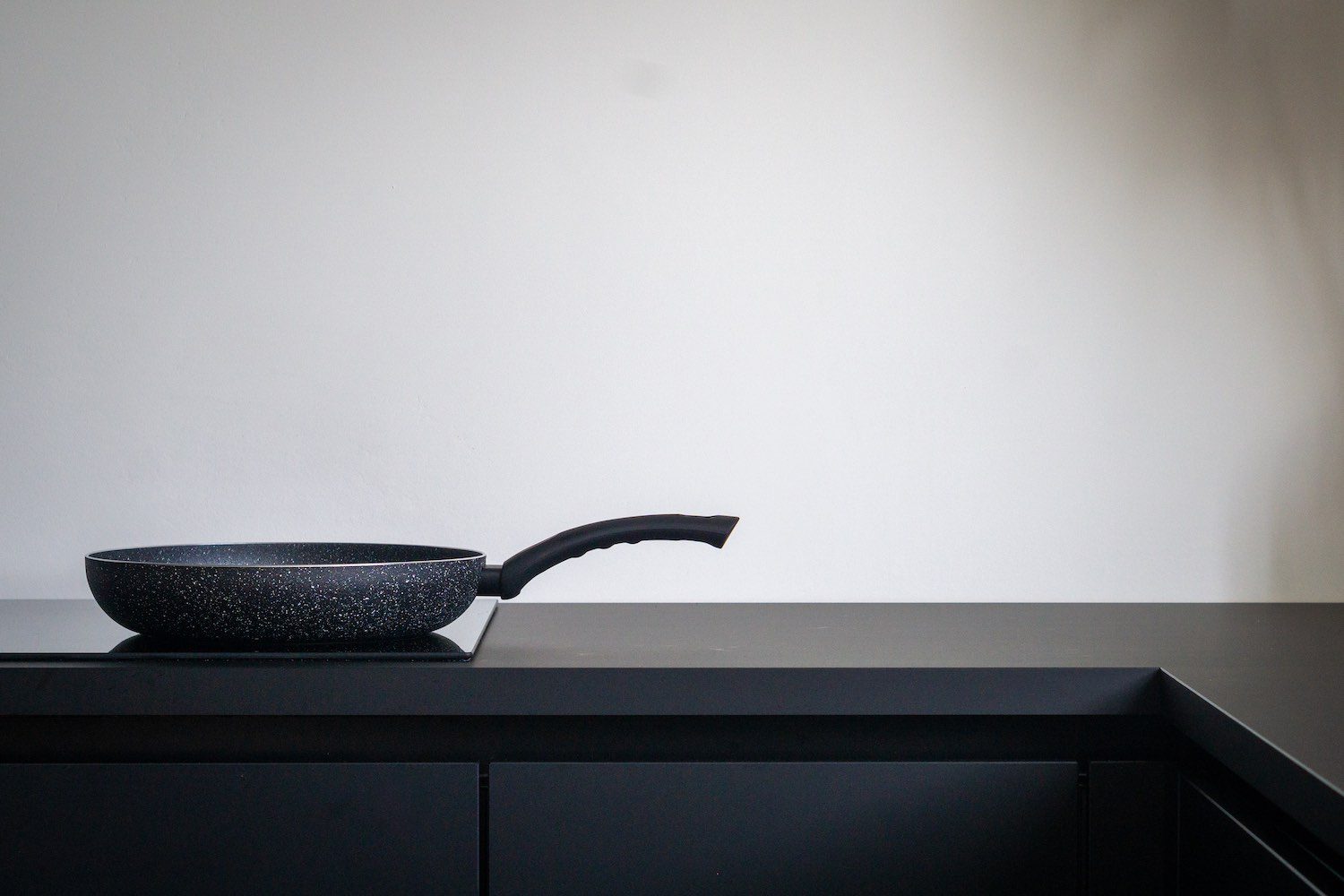
That might be why Australians are starting to seek out cleaner and better induction cooktops. Google Trends shows that although Australians searched for “gas cooktops” and “induction cooktops” in equal numbers until about 2021, in the last five years there are twice as many people looking for induction cooktops.
Across Australia, households are already heading for the exit when it comes to gas.
The latest research from Energy Consumers Australia shows that one in three households using mains gas expect to cancel their supply within the next decade and nearly one in 10 say they will do that in just the next two years. That’s a major shift in quite a short amount of time.
And quitting this unhealthy, and expensive, fossil fuel habit is starting to happen more often, and in many places, is getting cheaper to do.
At a national level, one obvious thing happening is that 130,000 people have added a battery with the federal Cheaper Home Batteries discount. This, combined with the ongoing rollout of rooftop solar, instantly ramps up the economic case for switching to electric appliances for the home that gets it.
On top of that, the Australian Energy Market Commission has proposed a major change to require new gas connections to pay the full cost of connecting up-front which would take effect next July.
Builders and developers who choose to connect to gas will likely pay thousands more to connect a new site to gas, instead of setting up future residents for higher bills and pushing the gas infrastructure costs onto everyone else through socialised network charges.
The regulator is also consulting on significant changes to the way that gas prices are set, in recognition of the fact that gas is entering decline, and considering the fair ways to reduce the cost of disconnection too.
This change alone is likely to mark the end of new gas-connected homes in Australia. But it reflects a shift already underway across the country.
In Victoria, where about two thirds of Australia’s residential gas is burned, the government has already moved to help homes switch to electric. In 2023 the price of removing your gas connection was cut drastically to just $242.
For NSW residents, the permanent gas disconnection cost will be slashed next July, from the current price of more than $1,000 to just $250. But unfortunately for those staying with gas, they will share the remaining cost. Put simply, it’ll get far cheaper for households to leave the network, while the per-customer cost of maintaining the network will be picked up by a shrinking group, pushing up their bills.
When you put all these changes together, 2026 starts to look like the year more Australians realise it’s time to head for the exit. Gas will become cheaper to get off, more expensive to get on, and more expensive to stay on.
If lower bills is the goal, it makes far more sense to help Australians to accelerate the shift to electric. That means making it easier for households to replace gas appliances with efficient electric alternatives, supporting low-cost finance so that people can afford to upgrade without needing to dish out so much cash upfront.
We also have to make sure renters and low-income households also benefit from solar and schemes such as Solar Sharer. States will need to require landlords to replace gas appliances with electric when they break, just as Victoria has.
And as the gas network gets more expensive, we should also think about updating the billing system so that landlords, instead of tenants, pay the fixed costs of having a gas connection. The landlord decides if a property has a gas connection or not, so it’s only fair they should face the costs of that decision too.
If we do this transition well, the next decade could give our country cleaner air, cheaper power bills, more energy independence, and a safer climate for generations to come. Handled badly, we see continued air pollution, and a shrinking number of people stuck paying higher energy bills.
So next time you’re replacing a gas appliance or car, maybe it’s worth thinking about whether you should head for the exit doors too.
Francis Vierboom is the CEO of Rewiring Australia