Living near two State Significant Development (SSD) projects – one a solar and battery farm, the other an extension of an open-cut coal mine – gives me a clear view of how different proponents approach community engagement.
Both FRV’s Maules Creek Solar Farm and Whitehaven’s Maules Creek Continuation Project are progressing through the NSW planning system. But their approaches are vastly different.
Whitehaven: A tick-the-box approach
Whitehaven Coal has prepared a Social Impact Assessment as part of their proposal to expand coal operations at Maules Creek until 2044. On paper, that might suggest meaningful community engagement.
But as a local resident living within a stones throw of the mine and a member of two active Maules Creek community groups – the CWA and the Maules Creek Community Council – I can say with confidence that we have not been consulted.
Despite the NSW Government’s Social Impact Assessment (SIA) Guideline emphasising early engagement, respect for diverse viewpoints, and involvement of representative groups, we have not been approached. The SIA, as part of the project Environmental Impact Statement (EIS), while lengthy, appears disconnected from the lived experiences and voices of many locals. It’s frustrating to see a document that purports to reflect “social licence” when those most impacted were sidelined from the process.
Support for the project is being drummed up through the Narrabri Chamber of Commerce, with a request from Whitehaven for letters of endorsement from businesses even though local businesses lose their workers and apprentices to the higher wages of the mine and very few of the employees at Maules Creek mine chose to live and do business in Narrabri. It is difficult to see what benefits will flow to Narrabri businesses for this expansion project that doesn’t even begin until 2034.
The SIA for Maules Creek Continuation Project mentions nothing about community benefit grant programs for locals. It also offers no changes to the mine proposal based on feedback from community.
Surely marching the mine closer and closer to the Fairfax Primary School and village of Maules Creek, until it is only 5 km from the mine pit, deserves some changes to the proposal.
The existing Maules Creek mine was approved in 2012 and despite a range of promises for positive social benefits from the mine over the last 13 years, we have seen the Fairfax Primary School enrollment numbers dwindle to a mere 3 students, with over 70 farms being bought out by the mine and houses left to fall apart.
FRV: Dialogue, co-design and transparency
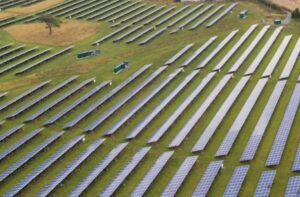
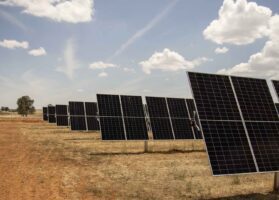
By contrast, renewable energy developer FRV’s approach to its revised Maules Creek Solar Farm appears refreshingly collaborative. After pausing the project to undertake grid connection studies, they’ve come back to the community with a smaller proposal and yet, a stronger offer.
FRV is developing a community benefit-sharing program not behind closed doors, but through a survey that invites locals to shape what it should fund. They’ve pledged a minimum $1.45 million in community benefit fund, even after scaling down the project size.
They’ve been transparent about delays, shared next steps, and committed to quarterly updates. Most importantly, they’re showing up – with plans to return to Maules Creek regularly and hold open conversations. Although locals would like to see less of the FIFO approach from consultants and more local roles created.
Why it matters
Both projects are going through the same SSD framework. Both fall under the same SIA Guideline. But only one is using it as a foundation for genuine engagement. Maules Creek Continuation Project is currently open for public submissions to provide their feedback to the Department of Planning before August 4th.
Whitehaven’s approach feels performative, completing the paperwork without embracing the principles. FRV’s process isn’t perfect, but it feels more honest at this stage. They’re starting from a position of respect and a willingness to listen.
As a neighbour, that matters. Community trust isn’t just about jobs or compensation. It’s about whether we’re seen, heard and invited to shape the future we have to live with.
Sally Hunter is managing director at Geni.Energy