Soaring gas power generation prices could drive up the cost of meeting Australia’s tight electricity reliability standards, a new report has warned, at a time when consumers are least willing – or able – to pay for it.
The Reliability Panel is is seeking feedback on draft recommendations to make minor changes to the settings of the reliability standard for the National Electricity Market, to protect consumers from the surging cost of open-cycle gas turbines.
The 2026 Reliability Standard and Settings Review (RSSR) aims to balance the right standards and price settings for the market to ensure there is enough electricity, when and where consumers need it, in the period from July 2028 to 30 June 2032.
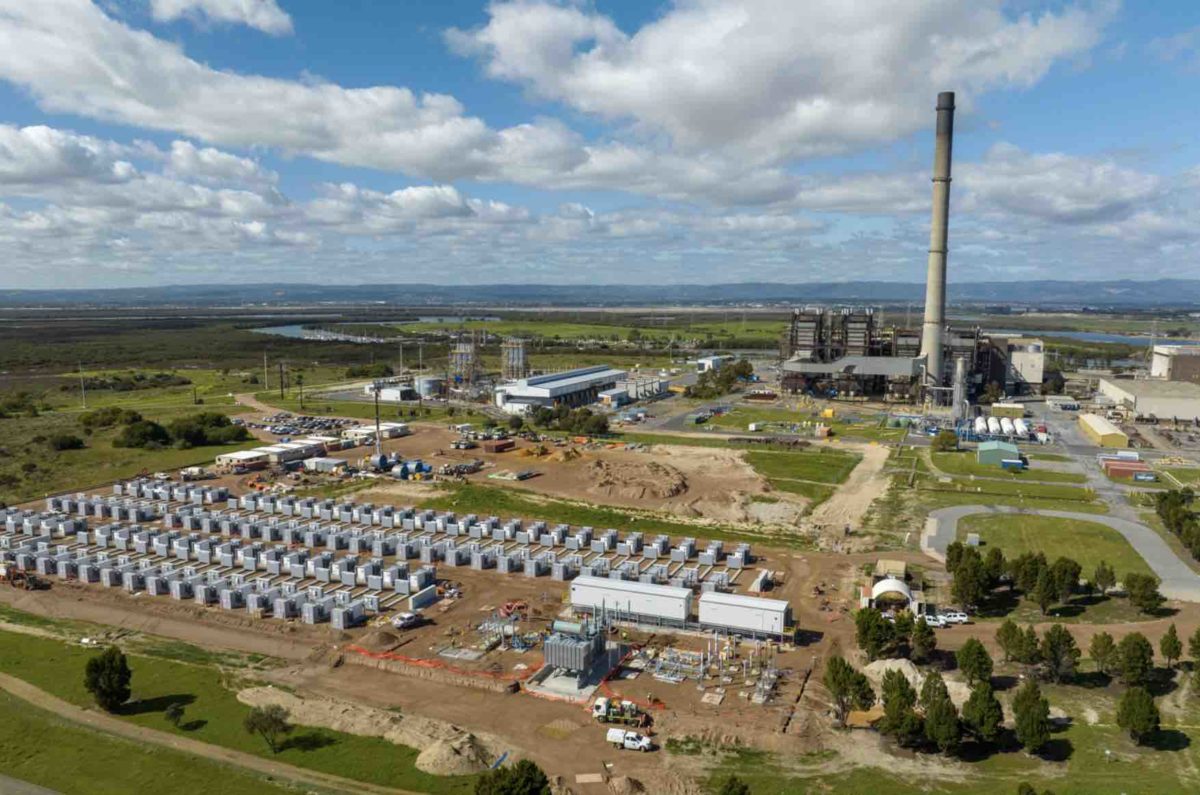
- The market needs to deliver a mix of batteries, generation, and demand-side response to ensure a minimum of outages caused by “unserved energy” (USE) – and back-up peaking gas generation has been considered an important part of this mix.
But a draft report from the Reliability Panel, published by the Australian Energy Market Commission (AEMC) on Thursday, says the cost of building new open-cycle gas turbines (OCGTs) has “increased significantly” since its 2022 review, while supply reliability has remained largely, well, reliable.
And at the same time, new data from the Australian Energy Regulator has reported that the value customers place on reliability has decreased by an average of 18 per cent across all regions – perhaps because it hasn’t been much of an issue.
The panel notes that the NEM has delivered high levels of reliability with no supply interruptions caused by generation shortfalls over the last five years. It also notes that 95 per cent of customers supply interruptions are due to distribution network outages, such as trees falling on power lines.
“We have seen increases in the capital cost of gas-fired generation, and a reduction in the value customers place on reliability,” the report says.
“The impact of these two changes is that, on balance, a different reliability standard could limit the cost impacts on consumers without significantly impacting the value of reliability they experience.
All this – plus the falling cost of newer technologies like battery storage – means the Reliability Panel is proposing some tweaks to reliability standards, which seeks a balance between how much unserved energy customers will tolerate, and how much they’re willing to pay for it.
“While the costs of building batteries have reduced, the costs to build new gas-fired generation have gone up, which means it will cost more to deliver equivalent levels of reliability,” the report says.
“As such, our draft modelling results suggest a reliability standard from 0.002 to 0.004 per cent unserved energy (USE) best promotes customers’ long-term interests.”
Currently that limit is set to 0.002 per cent, which roughly equates to approximately 10 minutes of outages per customer per year. This does not include outages caused by local storms and their impact on local networks, such as fallen trees.
The draft report says a reliability standard at the midpoint of 0.003 per cent USE would be “most aligned with balancing cost and how customers experience reliability,” while also minimising changes to the market price settings.
To that end, the report recomments retaining the current market floor price (MFP), administered price cap (APC) and administered floor price (AFP) at -$1,000/MWh, $600/MWh and -$600/MWh, respectively.
Reliability Panel chair Rainer Korte says the recommendations reflect careful consideration of changing market conditions and represent a genuine consultation on how to balance evolving customer needs with system reliability.
“The reliability framework must evolve to reflect the realities of our transitioning electricity system. Analysis shows that customers now value reliability differently than they did four years ago, while the costs to provide that reliability have changed significantly,” he said.
“The Panel’s draft recommendations are designed to maintain strong reliability performance while being mindful of cost impacts on households and businesses.”
The Panel – which sits under AEMC governance but has its own distinct membership, including representatives from consumers, generators, network, retailers and AEMO – is seeking stakeholder views by 29 January 2026.