Key Takeaways
- The Kurri Kurri gas plant is now registered in AEMO’s grid for testing, nearly two years late after cost explosions.
- Issues include reliance on diesel due to incomplete gas pipeline, with commissioning expected by March end.
- The plant’s costs likely exceed $2 billion, sparking debate on Australia’s domestic gas policies amidst LNG import controversies.
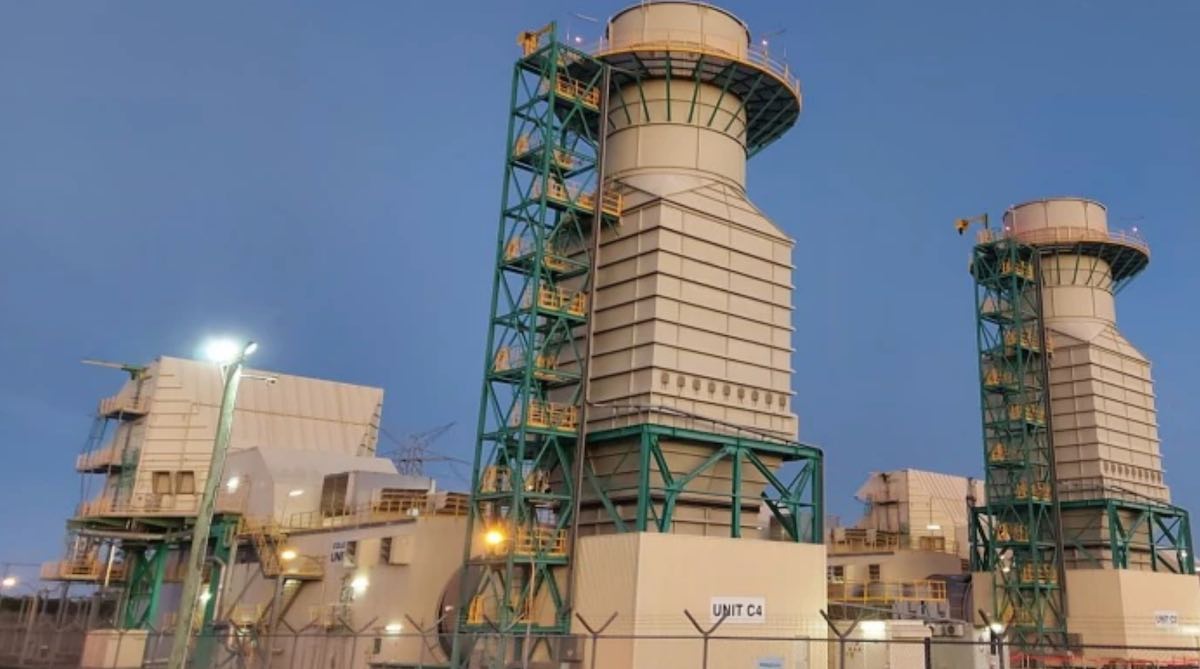
The federal government owned Snowy Hydro has finally entered its controversial Kurri Kurri gas plant into the market operator’s grid management system, nearly two years after its original timeline and after an explosion in costs.
The milestone was noted by GPE NEMlog’s Geoff Eldridge, who says that the 660 MW facility is now registered in the Australian Energy Market Operator (AEMO)’s market management system, a precursor to the start of testing and commissioning.
As Eldridge notes, the gas-fired power station was first announced in 2021 by then federal energy minister Angus Taylor to support system reliability, and was originally intended to be built in time for the closure of the Liddell coal fired power station in April, 2023.
It was also designed to have a hydrogen component, but for the moment it is struggling to source even gas, and will have to rely on diesel generation while a 21 km underground gas pipeline is completed to link it into the main gas grid.
The wait may not have to be long, as the pipeline is due to be commissioned at the end of March, according to a new Australian Energy Regulator release which is deciding on whether to describe the new pipeline as a “transmission” or a “distributed” asset. It favours the former.
The gas turbines will act as peaking generators, boosting Snowy Hydro’s fleet of peaking generators, and its control over the “caps” market, which is a kind of insurance against the price spikes caused when such machines are switched on.
Ted Woodley, a former senior energy executive and critic of Snowy Hydro Kurri Kurri gas plant, and its Snowy 2.0 pumped hydro project, says the total costs of the Hunter Valley gas facility are now likely to be more than $ 2 billion.
The news comes as Squadron Energy announces that the landslide commissioning of its Port Kembla Energy Terminal, which will import LNG for use in Australia’s gas and electricity grids, has been completed.
The move comes amid controversy over the gas market – and whether the country, one of the biggest exporters of LNG in the world, should in turn import LNG, or set aside gas reservations, or open up more gas resources, to address shortfalls in its domestic market.
“PKET will deliver gas into the east coast market as we face structural gas shortfalls and also introduce much-needed competition, by unlocking significant and competitive international sources of gas that Australian doesn’t currently have access to,” Squadron said on LinkedIn.