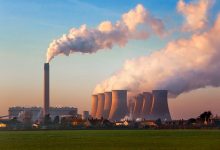
The news that Queensland is set to keep its coal power stations operating for longer is being met with despair as the state creates rising levels of uncertainty for what was – for a brief time – the strongest market for renewables in the country.
Treasurer David Janetzski will release the state’s five year energy roadmap on October 10, but this week indicated that the LNP government will keep coal open longer, following news that yet more wind projects have been “called in” by state planning minister Jarrod Belijie after two other major wind projects had their approvals ripped up.
The coal closure delays, and the slump in new renewable investment will almost certainly end up with the break of the LNP’s election promise to reduce emissions by 75 per cent in 2035, says Queensland Conservation Council campaigner Stephanie Gray.
“Now they’re effectively walking away from that commitment to Queenslanders by pledging that coal will be open for longer,” Gray said in a statement.
“We’re urging the Treasurer to stick to his word and reduce emissions by 75 per cent, which means closing our ageing and increasingly unreliable coal-fired power stations as planned.”
The state met its legislated 30 per cent emissions reduction target eight years early in 2024, which the then-Labor government attributed to less land clearing. It reached a 35 per cent reduction below 2005 levels earlier this year.
It won’t be clear how the new government plans to hit any emissions target until September 30 next year, when it releases the new Net Zero Roadmap. It may adjust those targets, depending on where the federal government lands with its 2035 emissions targets.
Energy roadmap to keep coal, longer
The energy roadmap to be released next month will likely include the recent decision to postpone the closure of the troubled Callide B coal fired power station from its original closure date of 2028, to at least 2031.
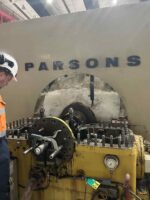
Even today, the stress of keeping these generators open is clear, with three different units suffering unplanned outages.
One unit is out at the Tarong station and over at Callide, two of the four units are currently down thanks to planned maintenance with another set to go offline in October.
Gray pointed out that keeping old generators online for longer than their planned retirement date simply makes electricity more expensive because they cost more to keep running.
“Queensland still has a strong pipeline of renewable energy projects that are set to be built over the next three years,” she says.
“There’s no reason for making taxpayers fork out hundreds of millions of dollars to keep the failing Callide B coal power station on life support past its scheduled retirement in 2028.”
Janetzski however says the roadmap will be “grounded in economics and engineering, not ideology”.
“To meet the energy generation challenge of our future, we will need coal generation for longer, low-cost energy production in wind and solar and more dispatchable supply including gas turbines, pumped hydro and batteries for firming and storage,” he said in comments reported by the Courier Mail.
“Renewables investors are looking for certainty around coal generation and the energy road map will deliver it.”
Janetzski was responding to an accusation from state opposition leader Steven Miles yesterday the Queensland LNP doesn’t want a renewables industry and instead are bent on waging an ideological war on the sector.
“When we were at this summit [the Smart Energy Conference in Brisbane] just last year, there was incredible optimism within Queensland’s renewable energy industry,” he told the conference.
“We’ve seen since then an incredibly chilling effect driven by Jarrod Bleijie and the LNP’s ideological war against renewables, particularly their hatred of wind projects and their decisions to cancel these projects at very late stages.”
Note: This note is updated to correct outages that were noted at Stanwell and Tarong. The problem lay with the Stanwell website.