Despite allegations of being a future dump-in-waiting and merely a support system for a “massive blight’ wind farm, the independent planning referee in NSW has waved through a new quarry in the state’s hot-blooded centre.
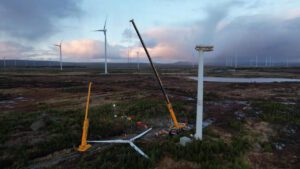
The quarry at the heart of this planning application is being excavated to deliver material exclusively to the 1,332 megawatt (MW) Liverpool Range wind project, which will be one of the biggest in the state.
Quarry developer Australian Resource Development Group will provide up to 700,000 tonnes of hard rock for construction a year for the Liverpool Ranges wind project for five years, cutting out a 300km round trip to the nearest large quarry in Dubbo.
The idea is to mitigate some of the transport logistics felt particularly by people living in Cassilis at the southern tip of the massive wind project.
But it’s also inside the Central-West Orana renewable energy zone, an area thick with wind proposals and locals upset at the rapid and radical changes occurring to their landscapes.
But despite claims of clogged up roads and environmental damage to a nearby stream and several endangered gums, as well as more esoteric fears about the general impact of renewable energy in the world, the IPC found it would provide material benefits and a positive economic impact.
“The project represents an effective and compatible use of the land that would not cause significant adverse impacts to the continued operation of neighbouring agricultural land uses,” the IPC said.
Changes to a nearby stream can be managed under existing water rights attached to the land, vegetation on the site is mostly low value, and other issues around dust and noise from blasting can all be managed using normal development consent conditions, it said.
The big issue for locals was traffic, given the state of the narrow, rural country roads that big trucks will be frequenting.
But this will be handled under the wind project’s planning approval, which is responsible for road upgrades, and planned upgrades being provided to the area by the transport department because it’s in the REZ, said the IPC.
The IPC looked at a range of other issues raised during the normal planning process, including the sound and vibration caused by blasting and the visual impact of a quarry in a rural area, could be handled by conditions put on the planning consent, and by the ability of neighbours to ask for independent reviews during the five years of operations.
Local worries to the fore for IPC
There were 80 opposing submissions during the planning application period, but a hearing before the IPC was cancelled because only eight people registered to appear.
Nine people sent in objections, one of which was from a rival quarry owner and one from an entity that regularly opposes renewable energy projects. Four people sent in letters of support.
Objections during the planning process, of which only three were from people living within 15km of the project, included a comment from Save Our Surroundings Moulamein.
It said the quarry “serves no useful purpose as Wind Turbine Monstrosities like this Liverpool Range plan will be nothing but a massive blight destroying ecology, biodiversity and even killing people.”
Another feared the quarry would become “a dumping ground for obsolete turbine blades, batteries and solar panels”.
The IPC, however, mainly fielded submissions reiterating genuinely local worries about traffic movements and the impact of quarrying on stock.
A neighbour, Andrew Reynolds, remains angry that an alternative road option where Liverpool Range developer Tilt Renewables builds its own road inside the project area was not put in place over relying on public roads.
If you would like to join more than 28,000 others and get the latest clean energy news delivered straight to your inbox, for free, please click here to subscribe to our free daily newsletter.