A Queensland wind farm that was celebrated in December as the first to be approved by the newly elected state government has had its approval reversed, sending a chill through the industry and casting further doubt over the LNP’s stance on renewables and climate.
Queensland deputy premier Jarrod Bleijie quietly determined late last week to refuse approval for the Moonlight Range wind project following a “comprehensive reassessment” of the application for the up to 450 megawatt facility, which was also to include a big battery.
“The decision comes after a thorough assessment of the project’s potential community impacts, reaffirming the government’s commitment to sustainable development that aligns with the values and interests of Queensland communities,” the planning website says.
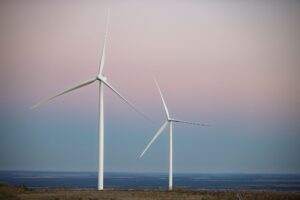
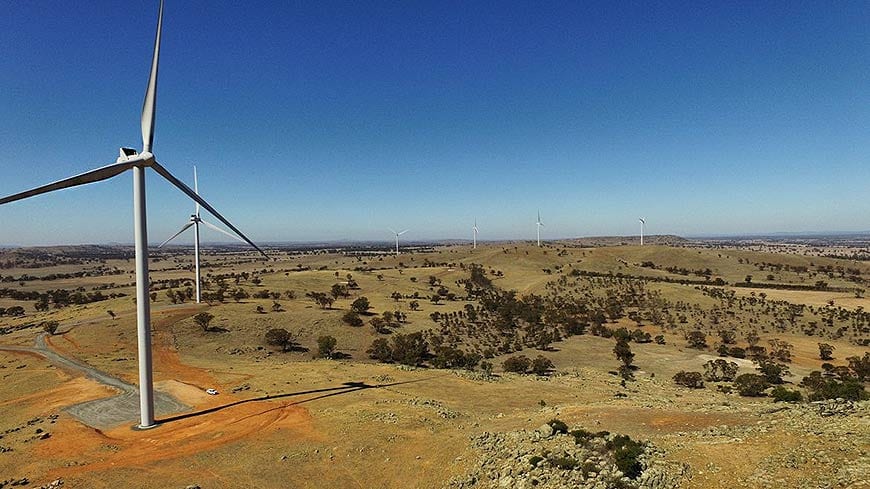
The Moonlight Range wind farm is being co-developed on farmland 40 km west of Rockhampton by Australian outfit Greenleaf Renewables and the renewable energy arm of Canadian investment giant Brookfield Asset Management.
The two companies entered into a joint development agreement (JDA) for the up to 88 turbine project in April of last year, the terms of which would see Brookfield acquire the project once all approvals were secured.
The State Assessment and Referral Agency (SARA) granted approval of the project in December, a decision that was seen a significant milestone for the renewables sector, being the first to be approved under the updated version of State Code 23.
But around a month later, the LNP government made the extraordinary move to call the Range approval into question, and launch a 40-day consultation period inviting fresh submissions from community members, local governments and other stakeholders.
In April, Bleijie issued a formal call-in notice for Moonlight Range, saying that its application would be “reassessed and redecided” based on the feedback from more than 550 public submissions.
Bleijie’s final decision on Moonlight Range, formally announced on Monday, sees the project claim a grim new first: the first state-approved wind farm to be retrospectively rejected using extraordinary new planning powers.
Bleijie said on Monday that consultation revealed that 85 per cent of local residents were in favour of the project being reviewed, with submissions raising a range of concerns including strain on the region from 300 workers, lack of community consultation, environmental impacts and bushfire risk.
He said the review found Moonlight Range did not meet the requirements of the government’s new planning laws, which ensure renewables projects face “the same rigorous approval processes” as other major resource developments.
“For too long Queensland communities were ignored by Labor’s failed laws, which shut them out of the approvals process for renewable energy projects proposed to be built in their back yard,” he said on Monday.
“We think an equal and fair policy is just like the resource sector, the agriculture sector, the gas sector have to get certain approvals and community buy-in and community say, so should renewable energy projects.”
In response, Greenleaf Renewables said on Monday that it was “extremely disappointed” by the outcome.
“Greenleaf respectfully disagrees with several of the justifications outlined in the decision notice,” the developer said in an emailed statement on Monday.
“Since the inception of the Project in late 2021, Greenleaf Renewables has conducted thoughtful and transparent community and stakeholder engagement with the local communities and key stakeholders surrounding the project.
“Our dedication to advancing Australia’s renewable energy sector remains steadfast, in line with all regulatory planning processes. We will continue to work alongside government, communities, and industry partners to deliver sustainable energy solutions that respect local values, support regional development, and help meet the nation’s clean energy goals.
“We are currently reviewing the feedback provided by the Deputy Premier. This information will inform the next steps,” the statement says.
Since its election in October 2024, the Crisafulli government has backed away from the former Labor government’s renewable energy targets, pledged $1.5 billion to underwrite the state’s ageing coal fleet, and has made clear its distaste for large wind farms.
Alongside the Moonlight Range wind farm, three other wind projects were also paused: the 1.4 gigawatt Bungaban wind project near Wandoan being developed by Windlab, RWE’s 1.1 GW Theodore wind project near Biloela, and another Windlab project, the 1.4 GW Wongalee wind project near Hughenden.
The Bungaban project – part of one of the biggest power purchase agreement yet seen in Australia, to help power Rio Tinto’s Boyne Island smelter and Yarwun refinery – has since been allowed to resume its passage through the state planning process.
And last week, the other frozen Windlab project – the Wongalee wind farm proposed for Yirendali Country near Hughenden – received state development approval to proceed to construction in Queensland’s north.
For new projects, new rules unveiled at the end of April will require renewable energy developers to enter into “binding agreements” with local governments, setting out the social impacts and community benefits of projects proposed on their patch, before they can apply for development applications with the state.
The Queensland Conservation Council (QCC) says the state government is “effectively … sending the signal that Queensland is closed for clean business.”
“It’s obviously very important that renewable energy projects are well-sited and benefit the local community,” QCC senior campaigner Stephanie Gray said on Monday.
“That’s why we expressed concerns about Moonlight Range and its impact on remnant forest and threatened species habitat.
“One of the key solutions to responsibly managing the rollout of well-sited renewable energy projects is for the Crisafulli government to deliver Renewable Energy Zones that map where it’s appropriate to build projects.
“Unfortunately the progress on Renewable Energy Zones has slowed at a time where regional communities and the renewable sector desperately need certainty.”
Australian Conservation Foundation’s nature and renewables campaigner, Jack Redpath, says the urgent need for more renewable energy needs to be balanced with strong community engagement.
“If we want renewables to be good for nature in Australia, it is essential the voices of locals, councils and first nations – the people who care for nature – are listened to and their perspectives included in development plans,” Redpath said in a statement on Monday.