A massive solar farm and green hydrogen project proposed for the Tiwi Islands has been dropped, after problems settling land agreements and slowing Singaporean interest.
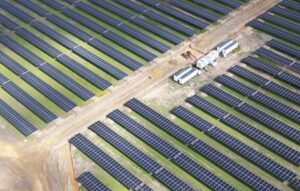
ASX-listed Provaris Energy had proposed the 2.4 gigawatt (GW) solar farm and 90,000 tonne/year Tiwi Hydrogen Project for the group of islands off the coast of the Northern Territory as part of a plan to export to Asia markets.
But the project has been officially pulled from the federal environmental approval process after being scrapped by the company in an earlier shareholder announcement,
“We ceased work on it back in early 2024 and then formally notified [governments and other stakeholders] in December 2024,” Provaris CEO Martin Carolan told Renew Economy this week.
“We’ve had some challenges… getting the right framework agreed for economic and land use agreements [in the Tiwi Islands]. It dragged on. Without that it was difficult to finalise what economics would be.
“And I would also add that we were targeting and had strong engagement from the Singapore government, which we saw had started to slow in its commitment.
“It was challenging getting the progress in offtake.”
The Singapore government had approved a series of gas-fired turbines which were supposed to run on hydrogen, but then started looking at pilots for ammonia-fired power stations as well.
In 2021 the project appeared to have the backing of local landowners, representatives of the indigenous community, and the territory government.
The project as it was pitched in 2021 and again in 2022 – when it won federal major project status – was supposed to start as a still-massive 500MW solar farm to be built on 2,862 hectares of land cleared for a plantation, with financial close by 2023.
This was around the same time the original vision for the Sun Cable project was supposed to start building 20GW of solar and 42GWh of battery storage. and export power via a sub sea cable to Singapore.
Water was to have been from a desalination plant.
Provaris, or Global Energy Ventures as it was known then, thought first hydrogen exports would be 2026 using the company’s own compressed hydrogen technology.
In its shareholder announcement in April this year, the company said it chose the Tiwi Islands because of its closeness to Asian markets, availability of land and ports, and locals who originally supported the project.
“While some of the above reasons remain valid, the progress of the project was continually hindered by i) the ongoing absence of tangible stakeholder engagement and support and ii) a lack of meaningful engagement and timeframe for demand with potential S.E Asian hydrogen off-takers,” it said.
The bonus was that Provaris was able to transfer all of the technical and commercial lessons to projects in Europe, where the company is now focusing.