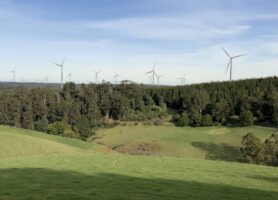
Ark Energy’s plans to develop a wind farm in Central Tasmania have been given the green light for construction by the federal environment minister, after spending more than six years in the EPBC queue.
Ark Energy confirmed on Monday in a newsletter update that the St Patricks Plains wind farm had been “approved with conditions” roughly two months ago, on Christmas Eve, just days ahead of the deadline for EPBC assessment, which previously had been pushed out four times.
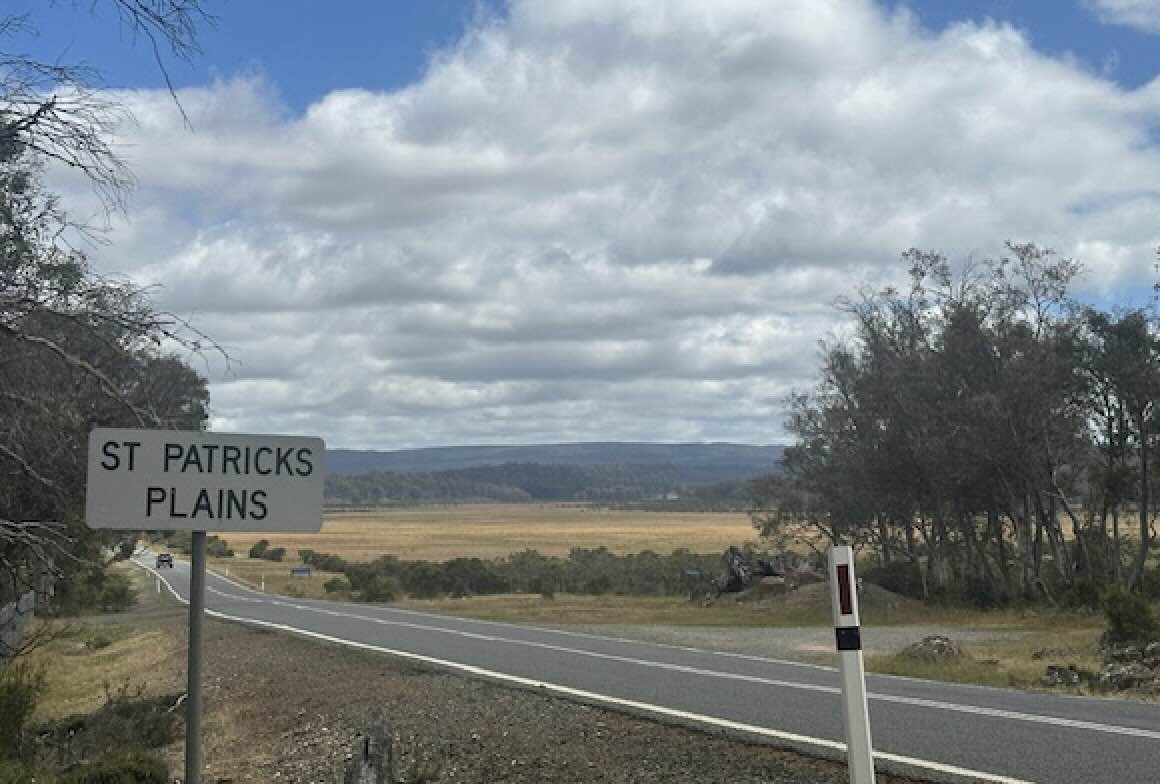
The federal green tick means the 300 megawatt (MW) project has secured all of its primary approvals – a first for Ark Energy in Tasmania – and can proceed to construction south-east of Milena in the island state’s Central Highlands.
“This is a major milestone for the project and we are proud of the many design refinements that have been made to avoid and minimise potential environmental impacts,” Ark Energy’s general manager of development for Tasmania, Donna Bolton said in a January media release.
“The Tasmanian wedge-tailed eagle in particular has been a key species of focus. Major design revisions have been made to avoid areas used by eagles and the Identiflight curtailment system will be installed to achieve full coverage across the site and minimise collision risk.”
The project, originally developed by Epuron, has faced strong pushback from segments of the local community, culminating in a lengthy legal battle with the No Turbine Action Group (NTAG), whose opposition centres around concerns about wind turbine noise and biodiversity impacts.
Ark Energy, which acquired Epuron in 2022, has since won both the court challenge and state approvals – albeit with a range of conditions, including to meet new Tasmania EPA-enforced noise rules that NTAG said were “onerous” and clear a path to “easier litigation by neighbours for nuisance noise.”
Ark says the EPBC approval conditions – including installation of an IdentiFlight bird detection system to minimise harm to protected eagles – are “achievable” and that the company looks forward to complying with them, with guidance from specialist ecologists and planning partners.
The project’s design has been revised several times and reduced from 67 to 47 wind turbines, with changes made based on data from eagle surveys, the results of environmental surveys, technical studies and community feedback.
A number of “very minor changes” to the proportions of the wind turbines have also been made, including a reduction of the maximum blade tip height from 240 metres to 231 metres; a 10 metre reduction in turbine blade length (from 90m to 80m) and; a 10 metre increase in the ground clearance from the turbine blades (from 60m to 70m).
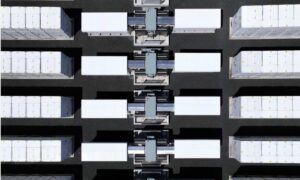
Ark Energy has also adjusted the plans to add a “small” big battery and the Identiflight turbine curtailment system, and to extend the approval period for operation of the wind farm to nearly 50 years.
The company said in an update this month that ecological assessment work also found that some species identified in the original referral under the EPBC Act did not occur within the site or were not at risk of impact.
“With the project now approved by Central Highlands Council, the EPA Tasmania and DCCEEW [the federal department of climate change, energy, the environment and water], surveys have commenced to finalise the location of infrastructure and further minimise potential impacts,” Ark said on Monday.
“Over the coming months consultants and contractors will be onsite to conduct further surveys and tests to ensure the ground conditions, including any artefacts, species and habitat, are known.
“Work over the next 9-12 months will focus on grid connection studies, secondary approvals including preparation of the final design report, and arrangements for transporting components to site.”
Ark Energy said last month that construction on the project is due to commence in early 2027 and the wind farm is targeted to be operational in 2030.
“We thank our landowners and community members for their patience and support, and look forward to providing more information in due course to the growing list of residents, suppliers and business owners excited by the opportunity to be part of this project,” Bolton said.
“We will continue to seek to minimise environmental impacts, be a good neighbour, and deliver meaningful benefits to the local community and wider region as the project progresses.”