The City of Sydney has endorsed a Greens-led proposal to ban gas appliances in new residential developments, starting from the end of 2025, despite intense corporate lobbying, including from the property industry.
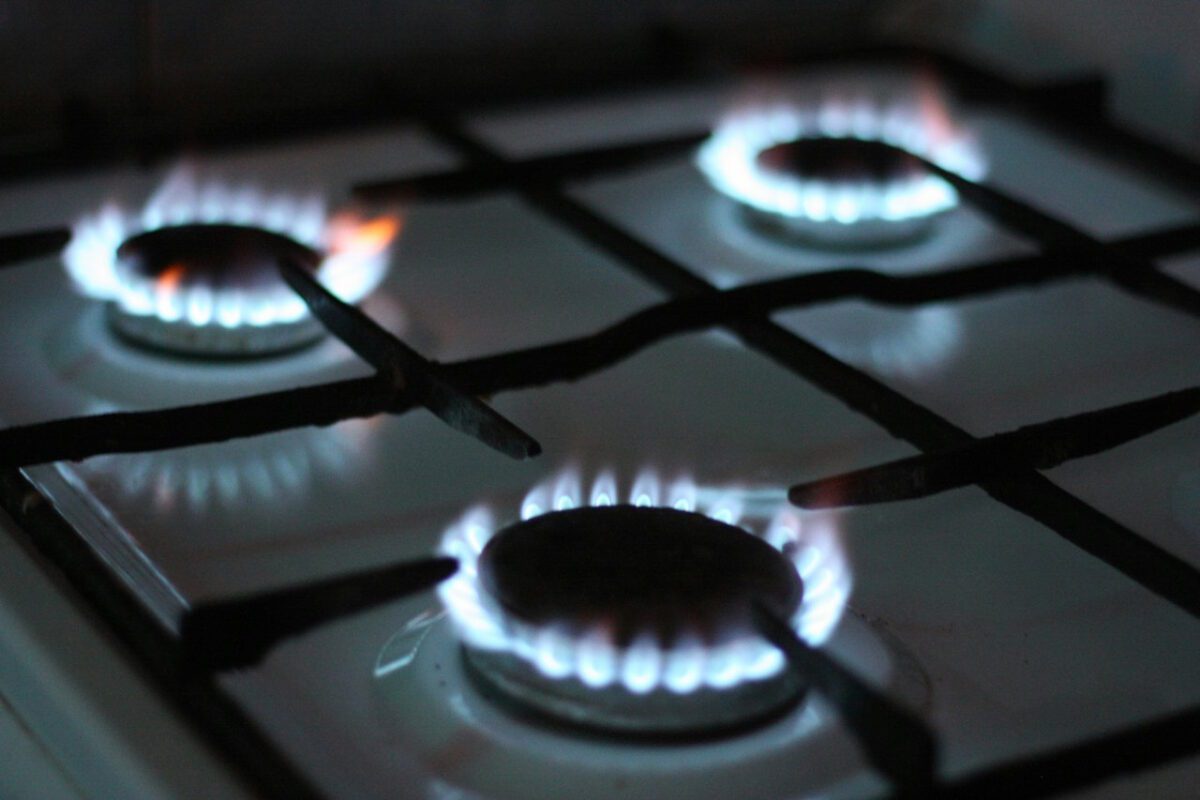
At a council meeting on Monday evening, the City of Sydney voted to implement a ban on indoor gas appliances such as gas cooktops, ovens, and space heaters in new residential developments.
“Relying on fossil fuel gas is bad for the planet, bad for our finances and bad for our health,” said Lord Mayor of Sydney, Clover Moore. Ensuring all-electric buildings into the future is simply a logical next step to take.
“These changes will create healthier and more energy-efficient buildings which will meet future energy standards and avoid expensive retrofitting. They also spare households from being locked into increasingly expensive gas prices and potential shortages.”
The ban will be implemented for all new development applications submitted after 31 December 2025. Development applications submitted after 31 December 2026 will not be serviced by fossil fuel gas at all, while all new applications must be designed with sufficient space and electrical capacity to support all-electric cooking, space heating, and water heating systems.
The council meeting also voted to exhibit wider “all-electric controls” rules for public consultation that will take in new residential developments as well as larger office, hotel, and serviced apartment developments.
These proposals will add outdoor appliances (heaters) to the electrification rules for new residential developments as well as require new large commercial buildings and hotels to be all electric from 1 January 2027.
The new rules won’t apply to industrial uses or existing buildings and, in mixed-used buildings, any food and beverage premises within the development can still use gas, provided there is capacity for electrification in the future.
The ban on new gas appliances was first moved by Greens councillor Sylvie Ellsmore along with former councillor Emelda Davis in December, 2023.
“The change follows a strong community campaign by residents, environment groups, and doctors, with 96% of submissions supported the change,” said Ellsmore.
“But big corporate interests including The Property Council and Meriton lobbied council to delay these changes, despite Victoria, ACT and other Sydney Councils implementing bans. Thankfully, the city is listening to the community, not the developer lobby.
“Frankly, it is embarrassing that the NSW Premier, Chris Minns, refuses to follow the path set by Labor Governments in Victoria and the ACT. Every day he continues to ignore the health, economic, and environmental evidence costs [for] the people of NSW.”
The move follows increasing evidence that pollution from gas stoves can be responsible for one in eight, or 12.3 per cent of current childhood asthma cases.
“We have known there is an association between NO2 and asthma in that it can exacerbate symptoms in people with respiratory disease such as asthma and chronic obstructive pulmonary disease (COPD),” said Dr Christine Cowie, an environmental epidemiologist at UNSW Medicine & Health, who was a co-author of a 2019 health impact assessment.
“In particular, exposure to nitrogen dioxide in ambient air has been linked to an increased risk of asthma and other respiratory symptoms, but more recently there is increasing evidence to suggest that NO2 is likely to be a direct cause of asthma in children,” she said in 2023.
The findings reported by the team involving Dr Cowie was independently mirrored in a US study published in 2023 which found that “12.7 per cent … of current childhood asthma in the US is attributable to gas stove use.”
“You wouldn’t smoke a cigarette in an enclosed room with your child, but that’s effectively what having a gas cooktop in your home exposes kids to,” said Matthew Thompson, a Greens councillor for the City of Sydney.
“Pollution from gas stoves accounts for 12 per cent of childhood asthma in Australia and increases the risk of asthma in kids by roughly 30 per cent percent.
“Analysis by 350 Australia also shows that this move could save new households in the city an average of $626 per year on their energy bills. These changes are an easy step we can take right now to save lives and save families money.”