The Australian head of Spanish giant Acciona Energia has been appointed interim CEO of the Clean Energy Council, as yet more departures from the Melbourne-based lobby group.
The appointment of Brett Wickham heralds a changing of the guard at the CEC, following the election of a mostly new board of directors last year, and the resignation of CEO Kane Thornton and other key executives.
Thornton called time on a total of 15 years of “intense leadership” at the CEC in May, and will leave the organisation on August 1, soon after the its signature Clean Energy Summit event in Sydney.
Following Thornton out the door are chief operating officer Ashleigh Dalmau, who announced a week ago that after a two-year stint at the industry group she is moving on to run the the Master Plumbers association as CEO, along with former Melbourne deputy mayor and CEC chief policy officer Arron Wood, who is leaving to lead Yurringa Energy.
Christiaan Zuur, CEC’s head of market operations, is leaving to join KPMG as an energy specialist director, policy director Nick Aberle left earlier this year after his role was made redundant, he said at the time in a LinkedIn post.
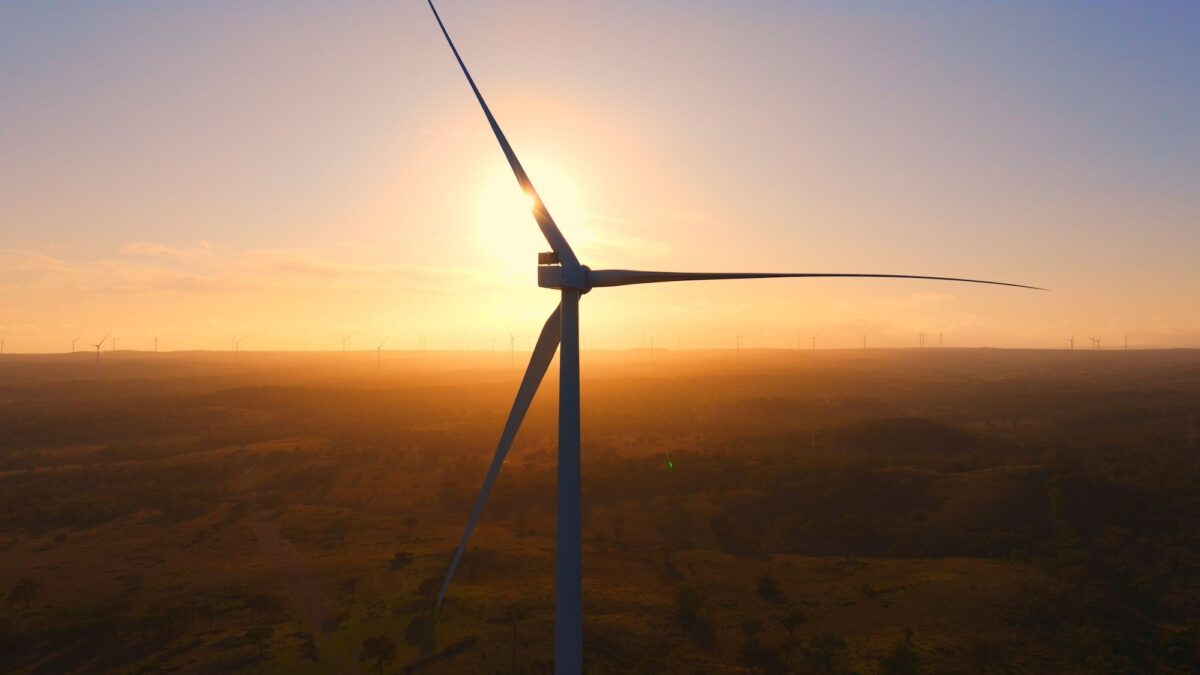
Wickham was one of five new names elected to the eight-strong CEC board in November last year. The other three positions are up for election in November this year. Acciona’s biggest renewable asset in Australia is the MacIntyre wind farm in Queensland, pictured above, which is still working through its commissioning process.
The CEC board’s other newbies include Iberdrola’s Ross Rolfe as chair, and a who’s who of major renewables companies, including Squadron Energy’s Rob Wheals, Tilt Renewables’ Angela Catt and Aquila Clean Energy’s Dennis Freedman.
The CEC’s new direction was quickly evident, after former Sydney radio shock jock and at times CEC critic, Chris O’Keefe, was hired to spread the message about renewables to people the industry body had not been able to reach.
And when he resigned Thornton said the organisation had to focus on social licence and combating misinformation.
In a letter sent to its members last week, the CEC said the industry needed to be pragmatic about the role of gas in shoring up renewables if the organisation wanted to keep its credibility.
“The impacts of the rollout of the energy transition across regional communities has produced a mixed reaction from those communities,” the CEC said in the letter, according to the AFR.
“We must therefore accelerate our efforts to promote the adoption of industry practices that are designed to maximise the benefits of the transition and minimise the adverse impacts.”
The letter also admitted the CEC needed to be more active in winning over support for renewables in regional areas and particularly in Queensland, where the new Liberal government has undone years of work.
In June, the CEC criticised planning reforms in Queensland that will force renewable energy companies to do community consultation before lodging development applications, saying the government ignored industry feedback.