The Australian electricity market’s success in dodging the latest round of global price shocks, using a buffer of firmed renewables now averaging around 50 per cent of total supply, has been highlighted in the latest report from the International Energy Agency.
The IEA’s Electricity Mid-Year Update 2026, released on Thursday, is set against a market still in the throes of the Strait of Hormuz crisis, with spikes in LNG prices translating into higher costs for gas-fired electricity generation, which has in turn pushed up wholesale electricity prices in several regions from March onward.
In the European Union and Japan, for example, average spot wholesale electricity prices increased by more than 30 per cent, year-over-year, in the second quarter of 2026.
In Australia, on the other hand, the shift to renewables that so many politicians and media outlets on the right continue to describe as “reckless” and costly, has helped to send wholesale electricity prices in the other direction, thanks to relying much less on peaking gas or costly coal.

“In Australia, average wholesale prices in the National Energy Market (NEM) fell by 30% y-o-y in H1 2026, to USD 49/MWh,” the report notes. “The market continued to be shaped by strong renewable output and rapidly expanding battery storage.
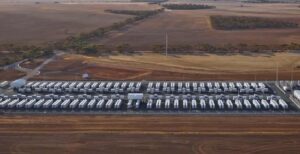
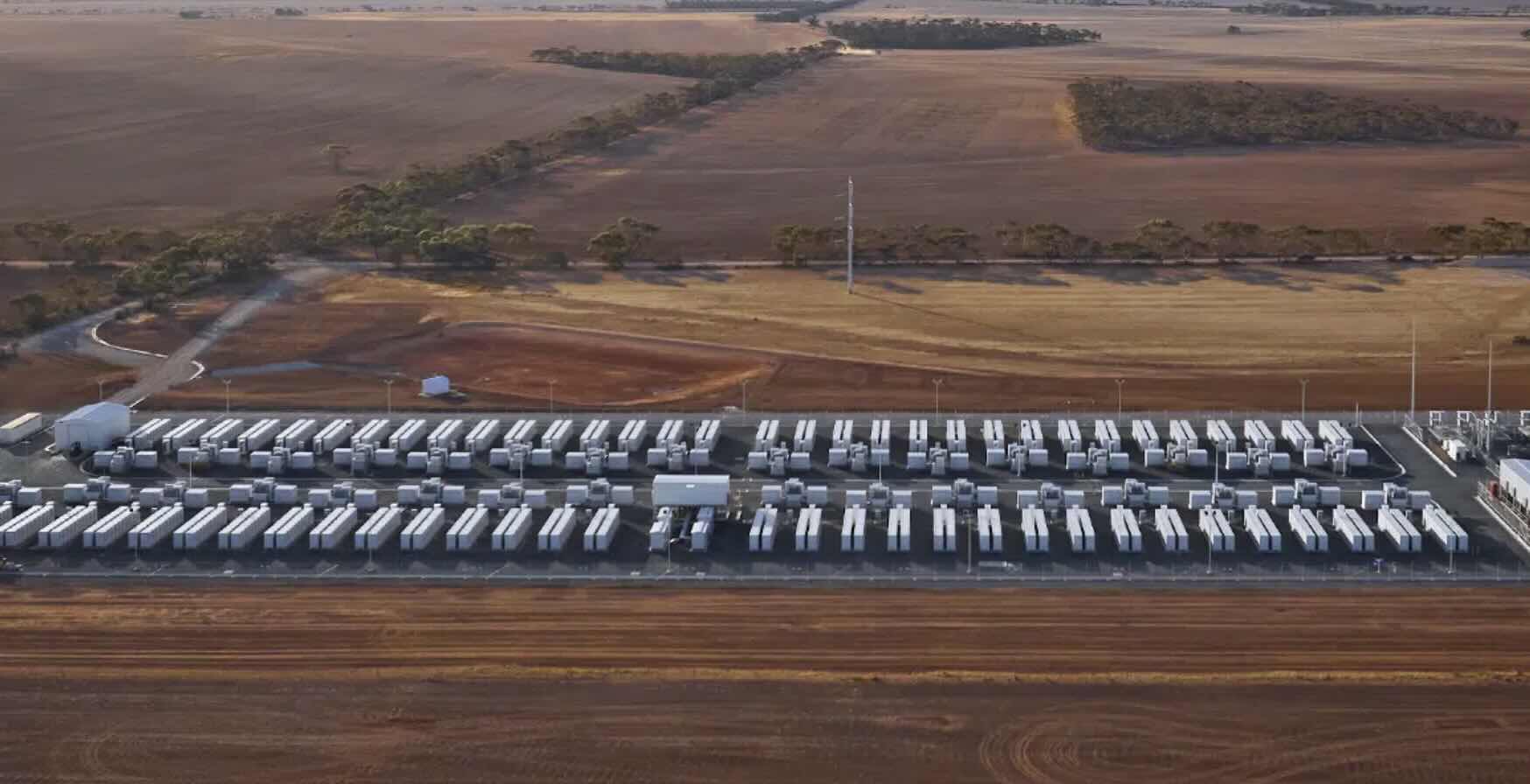
“Installation of new battery capacity contributed to a tripling of daytime-to-evening energy shifting in Q1 2026, which in turn helped mitigate price surges by reducing the amount of expensive gas and coal generation used during these hours.
“Futures for H2 2026 indicate a price decline of about 5% compared to the same period last year,” the report says.
Elsewhere in the IEA report, Australia also rates a mention for the high incidence of negative prices in two of its states, South Australia and Victoria, which ranked up there with California in the US as the biggest exemplars of this phenomenon, when supply outstrips demand.
“Negative prices are typically associated with insufficient flexibility in the system, reflecting technical, regulatory or contractual constraints,” the report says.
“While negative electricity prices have become a common occurrence across multiple markets, wide hourly price spreads during the day continue to highlight the growing value of flexibility.
“South Australia and Victoria in Australia’s NEM continued to record the highest incidences of negative prices among the markets analysed, with wholesale prices below zero in more than 20% of hours during H1 2026.
“Despite this, the number of negatively priced hours in South Australia has remained flat compared to 2025, which can be attributed to the rapidly expanding installed battery capacity in the region.”

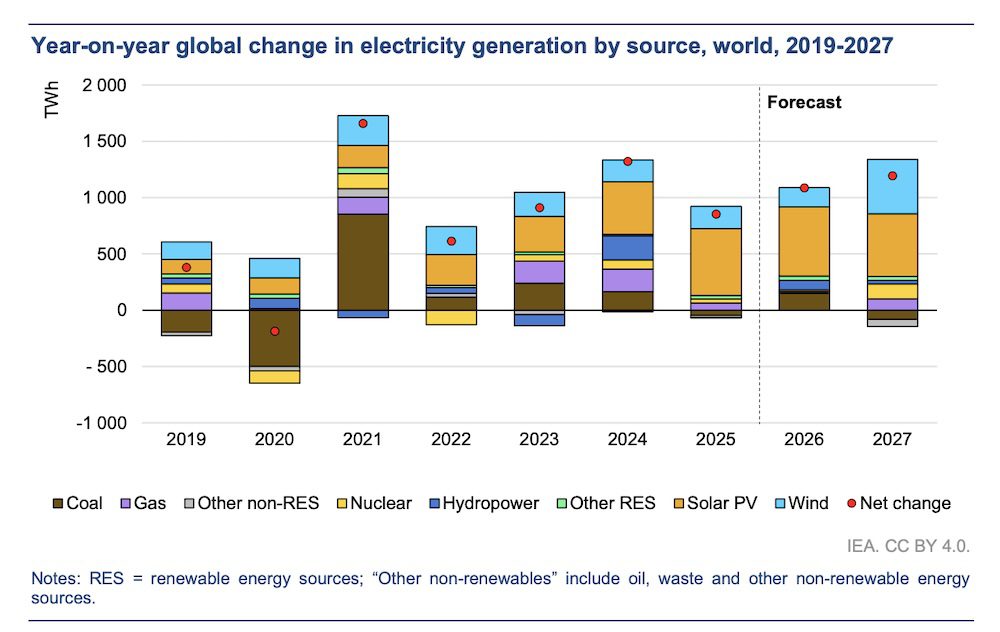
More broadly, the big global takeaway from the IEA report is that electricity generation from renewables is on track to overtake generation from coal this year, as it continues to grow its share in the global supply mix.
“After reaching near parity with coal in 2025, global generation from renewables is forecast to grow by more than 8% in 2026,” the report says. “Its share in the electricity generation mix is set to rise from 33% in 2025 to 37% by 2027.”
“As the deployment of renewables increases, the expansion and modernisation of grids, the enhancement of system flexibility, stronger locational price signals, and the more efficient use of existing infrastructure will all be critical to integrate growing shares of variable renewable energy such as wind and solar PV into systems.”
The report forecasts that electricity demand will grow by 3.6% in 2026 and accelerate further to 3.8% in 2027, driven by industrial growth, the accelerating uptake of electric vehicles, air conditioning and heat pumps, and expanding data centre capacity.
All told, the IEA expects global electricity consumption to reach 30,700 terawatt hours (TWh) in 2027, up from 28 600 TWh in 2025.
If you would like to join more than 29,000 others and get the latest clean energy news delivered straight to your inbox, for free, please click here to subscribe to our free daily newsletter.