Australia’s biggest coal generator, AGL Energy, says it is looking to create a new funding vehicle to develop a portfolio of more than two gigawatts of new wind capacity as it continues laying the groundwork for its slow exit from coal.
AGL, like the other big legacy coal generation companies Origin and EnergyAustralia, have not done much in recent years in terms of supporting new investment in wind and solar, although AGL did write a couple of off take agreements late last year for the smallish Waddi and Palmer wind projects.
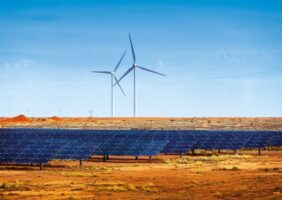
The company has now revealed it is exploring new “future funding vehicle options” for the development of a 2-gigawatt plus, wind farm portfolio, which is likely to include its interests in the Pottinger wind and battery hub in NSW, and the Hexham wind project in Victoria.
Pottinger is at an advanced stage of development with its partner Someva Renewables, and has secured planning approvals and grid access rights to 831 MW of capacity, even though the original project specs put the combined capacity at up to 1.34 gigawatts.
The 600 MW Hexham project in Victoria has secured the basis of an underwriting agreement with the federal government under its Capacity Investment Scheme, but is yet to secure planning approvals and is unlikely to be built before 2030.
AGL has set a target of 6 GW of new generation and storage capacity by 2030, but like its peers has focused mostly on big batteries, largely because of their falling costs, but also because of their flexibility and dispatchability that enables them to make the most out of their existing portfolio of coal, gas, hydro and renewable assets.
AGL in the first half of fiscal 2025/26 sourced just 13.9 per cent of its generation from wind energy, and a mere 1.1 per cent from utility scale solar farms, with 78.9 per cent coming from its Bayswater and Loy Yang A coal fired power stations and the rest from gas and hydro.
Last year it sold its remaining stake in the Tilt Renewables venture which held some of its original renewable assets, including the Nyngan and Broken Hill solar farms, and the Silverton wind farm, all in NSW.
The new vehicle idea is all about using other people’s money – particularly those with a lower cost of capital – to fund the upfront costs of new wind projects. AGL says the idea is still in its early stages, and it is not yet clear how much, or even if, AGL will invest in the portfolio.
“So we’re very early days right now, soft sounding, if you like, and working out what the right market mechanism will be for that,” AGL CEO Damien Nicks told Renew Economy in an interview on Wednesday after the release of the company’s interim results.
“We’ve got a number of wind projects, very exciting opportunities, of which one of them has already got a CIS awarded to us, which are coming, hopefully to FID (financial close) in the next you know, call it 12 to 24 months,” he said later.
“We would, you know, likely take a small equity stake in that, but we’d be really looking to partner up with someone with a low cost of capital.”
Asked about wind power purchase agreement prices, which have recently been pushed above $100/MWh because of the persistently high costs of wind since the 2022 energy crisis that followed Russia’s invasion of Ukraine, Nicks demurred.
“Ultimately (it’s) difficult to talk about what PPA prices are. It’s way too early, but you know, as you’d expect, they would be typically market driven type prices.”
If you would like to join more than 29,000 others and get the latest clean energy news delivered straight to your inbox, for free, please click here to subscribe to our free daily newsletter.