Former Sydney shock-jock Ray Hadley has finished with his daily morning shows on radio 2GB, but he’s not done with sharing his views with the public and getting them amplified by the likes of the Murdoch media. And he’s not done with his attacks on renewables and getting things completely arse-end up.
His latest burst of excrement is focused on the failed renewable energy retailer Zen Energy, which was put into voluntary administration last month and now will be liquidated after racking up a huge amount of debt, little if any of which is likely to be recovered by its creditors.
Zen was formerly chaired by the eminent economist Ross Garnaut, and his son Anthony was CEO at the time of its collapse, and Hadley reckons its failure is proof that they were wrong about climate change and wrong about renewables. And he has decided that federal energy minister Chris Bowen also deserves a slap down.
“We have been sold a pup by people like Chris ‘Casanova’ Bowen,” Hadley said, on a video that got promoted and published by the Daily Telegraph with the headline of “Ray Hadley blasts renewables push after Zen Energy collapses with $1bn debt.”
But the collapse of Zen – as dramatic and disappointing as the events were – does not mean the failure of renewables any more than the collapse of Ansett, Compass, Bonza and Rex meant the end of aviation industry, or that the collapses this year of Tahmoor Coal, Bowen Coking Coal, and Vitrinite’s Vulcan Mine mean that coal had failed.
Zen, according to the voluntary administrators, had a risky strategy, and it didn’t work. They were caught out by delays in their first big battery project and a lack of hedging, as we explained here.
The energy retail business is a tough one. The industry is littered with the failures of small energy retailers, and some medium-sized ones too. It’s an industry that is dominated by the big three private retailers and government entities, and they take no prisoners.
“I think they will be importing a lot more brown coal from Victoria in light of the collapse of Zen Energy,” Hadley claimed.
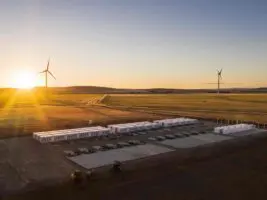
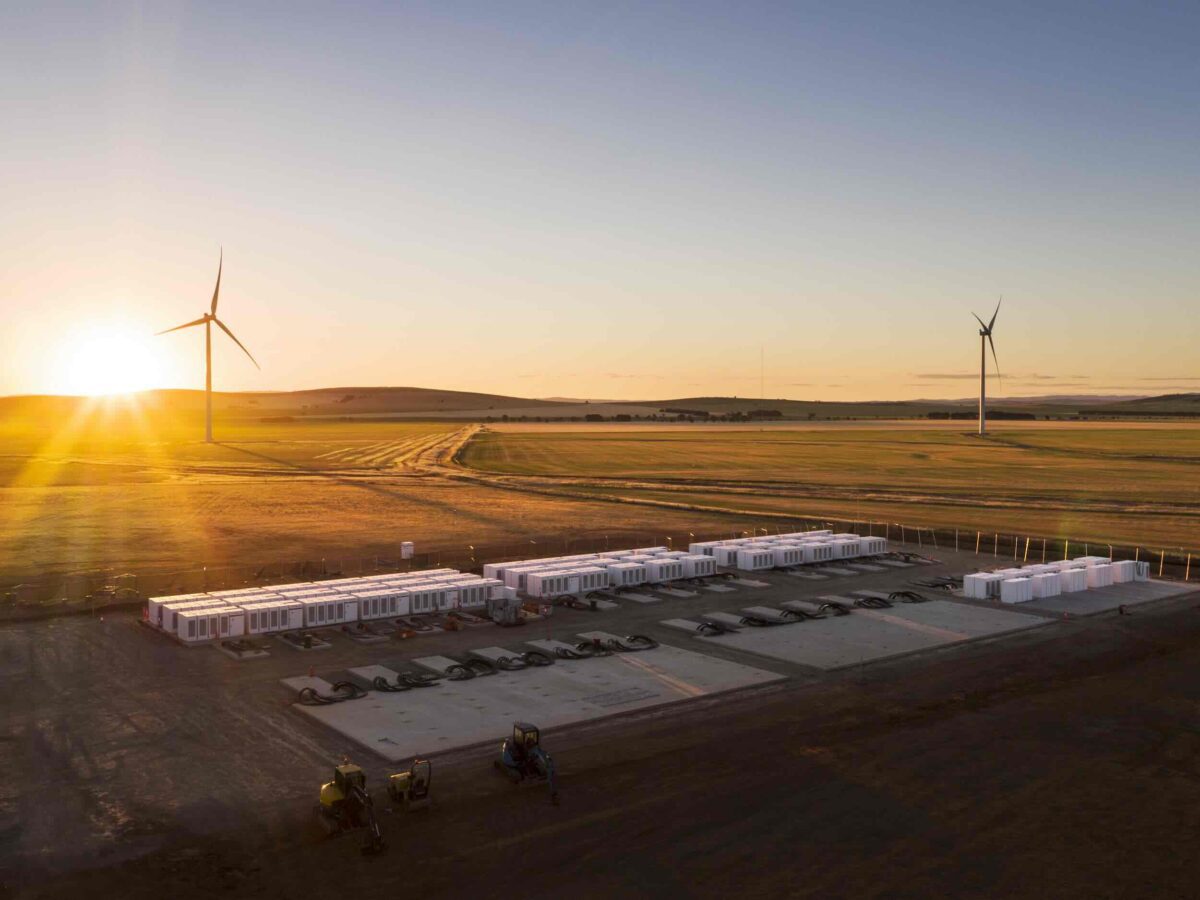
No, that won’t happen either. The main operating asset in Zen’s portfolio – the Templers battery – has been offline since the collapse and will continue to be so until its new owners sort out the paperwork.
But it plays a relatively minor role in South Australia’s mix, which is still being met mostly by wind and solar (75 per cent average over the year) and is aiming to reach 100 per cent net renewables by the end of 2027.
That means the state will continue to export and import when needed, including from NSW after the new transmission link is commissioned, but brown coal is not coming anywhere near South Australia. Brown coal rarely manages to meet all of Victoria’s demand – and when that state it does have spare capacity it comes from its own renewable assets.
Hadley made another big error on the ownership structure. “It looks like the bulk of investors in Zen Energy are South Australia mums and dads. We have been solar a pup by people like Chris Casanova Bowen, and these people in South Australia have invested in it,” he said.
Again, no. Zen is a private company, not a publicly listed one. There are some investors, mostly in debt, such as super funds and specialist investment companies. But no mum and dad investors. There were many retail electricity customers, but they have been automatically transferred to other retailers.
“Yes renewables do have a role to play, probably up on our roof … but in terms of where we we’re headed, I can tell you right now, renewables will not replace coal, gas and perhaps nuclear. They simply won’t, and the sooner we all wake to the fact, the better,” Hadley concluded.
No, again. Coal is ageing, and polluting, and increasingly unreliable. Even the biggest consumers, the giant smelters, understand that they have no future. And the small customers get that too, and every solar panel and battery that they install is another nail in the coal giants’ coffins.