The National Electricity Objective, as stated in the National Electricity Law (NEL), is:
“to promote efficient investment in, and efficient operation and use of, electricity services for the long term interests of consumers of electricity with respect to:
– price, quality, safety, reliability and security of supply of electricity; and
– the reliability, safety and security of the national electricity system; and
– the achievement of targets set by a participating jurisdiction: for reducing Australia’s greenhouse gas emissions; or that are likely to contribute to reducing Australia’s greenhouse gas emissions.”
Energy market policy and implementation players have interpreted the word “efficient” in narrow terms: relatively short-term, narrow financial indicators. This must change.
We should keep in mind that the fundamental design of the electricity market is based on the 1990s Victorian model.
This was designed with two key aims: Privatisation (which was assumed to be more economically efficient than public ownership) and capturing the maximum price for sale of public assets.
Within Victoria, the second aim was certainly achieved. The Kennett government sold electricity assets for around $24 billion when the most optimistic estimate was $13.7 billion.
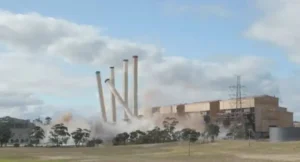
This was done by playing games such as guaranteeing high minimum wholesale generation prices for retail consumers until 2001 and implying that the ageing Hazelwood power station would be shut down, then keeping it running.
It also included doubling the fixed daily connection charges. Business consumers were told they would get cheaper electricity, so they were happy – for a while.
The emerging mess was masked for quite a while by improving technologies, increasingly smart monitoring and management techniques, energy efficiency improvements and business managers who pushed the technical limits beyond what “conservative engineers” were comfortable with.
These significantly increased generation from existing power stations and reduced demand growth.
We might debate whether privatisation has actually occurred, as many energy businesses seem to be owned (at least partly) by subsidiaries of other governments, who seem to have recognised the profitability. We can also debate whether what has happened has improved economic efficiency, let alone broader aims.
Energy efficiency improvement was set back, as most consumers assumed energy prices would fall. Even now, the hype about cheap renewables masks enormous economic and other benefits from efficient, smart energy use combined with renewables.
This reflects a widespread failure to understand that no-one actually wants energy for its own sake: they want services they value or believe are essential.
Fifty years of cheap gas and electricity and intensive marketing have distorted perceptions. The International Energy Agency has promoted energy efficiency and its multiple benefits that can’t be delivered by energy supply solutions, as “the first fuel” for over a decade, for solid economic and broader reasons.
The design of the National Electricity Market in the late nineties involved bitter debate over whether climate and social issues should be included. The economic fundamentalists won. The reality of the already operating Victorian energy market added pressure to just extend it to other states.
Every element of our electricity market is now being challenged by reality.
Generators are being challenged by a combination of end use service energy efficiency, smart demand management, behind meter and grid-based solar and storage, emerging alternatives to powerlines and creative business models that can even operate outside energy markets.
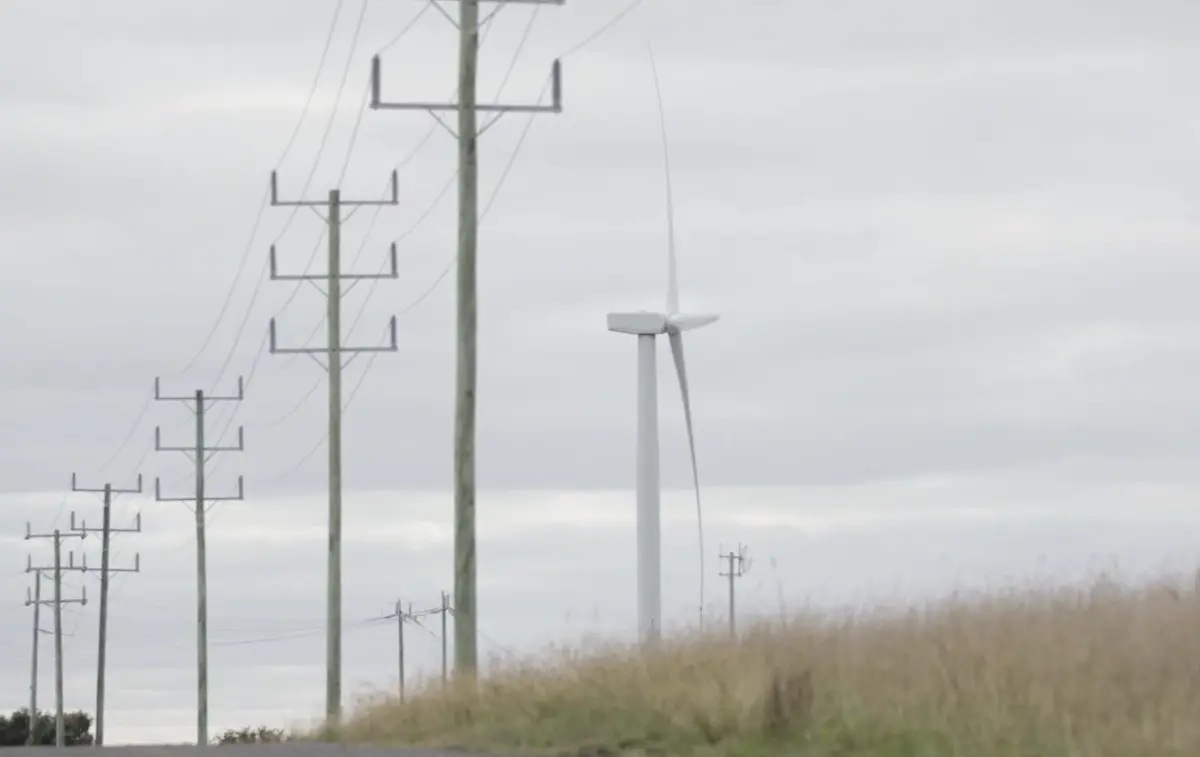
Network operators who rely on poles and wires face declining utilisation and higher peak demand. Their “regional monopoly” no longer exists.
So the Australian Energy Market Commission (AEMC) apparently sees a need to protect their revenue streams. Many retailers seem to shift as much cost as they can onto fixed daily charges, for which network operators are blamed. This shifts risk onto consumers.
Does a supermarket or petrol station charge a fixed daily fee for access to its services? What is so special about electricity network operators and retailers?
Lack of consumer trust in energy businesses, regulators and policy makers, and consumers’ failure to behave in ways naïve economists have predicted is not helping.
For example, when the Victorian Essential Services Commission sets a minimum PV export price at 0.04 cents per kilowatt-hour after many people have borrowed to install a big PV system based on enthusiastic advice from the PV industry, governments and even environmentalists, it leads to fundamental mistrust.
When some energy retailers charge 50 cents/kWh or more at peak times, when consumers believe they need electricity as an “essential service,” or they face high fixed charges, it is easy to see how they feel misled and disempowered.
The complexity of making a choice from numerous and rapidly changing tariffs doesn’t help, as many Australians are not very numerate, and they don’t want to allocate a lot of time to what should be a minor issue.
For example, the AEMC suggests an average household spends around $2500 annually on gas and electricity – $7 per day and around 3% of household expenditure. For commercial sector businesses, electricity and gas often costs less than 1 percent of input costs – rent and labour are usually much bigger.
While consumers complain about big winter and summer bills, the spring and autumn bills are much lower, so anger often fails to drive action. They don’t focus much on energy because they have lots of more critically important issues – as long as the energy supply is reliable – and preferably “sustainable.”
The reality is that the energy sector is applying “bounded reality” while consumers are applying a broader Rational framework.
Disruptive innovation is accelerating. There will be winners and losers.