Plans for the St Patricks Plains wind farm in central Tasmania have been updated to cut the size of and number of the turbines, add a “small” big battery and turbine curtailment system, and extend the approval period for operation of the wind farm to nearly 50 years.
An updated notice published on the federal government’s EPBC portal says a series of proposed changes to the 300 megawatt (MW) Ark Energy wind farm have been accepted, just days before a decision is due to be made on the contentious project.
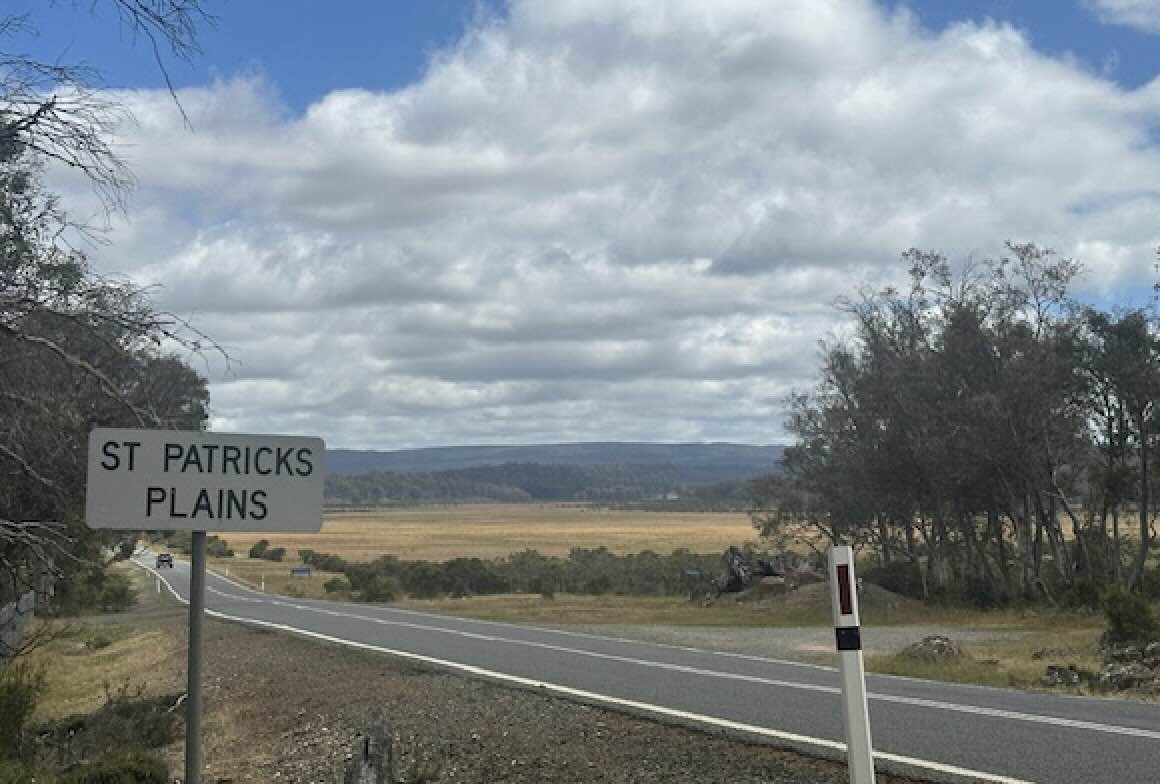
The St Patricks Plains wind farm, which at one point proposed the installation of 67 turbines, before being pared back to 50, and now 47, is proposed for a site south-east of Milena in Tasmania’s Central Highlands.
The project, previously developed by Epuron, has faced strong pushback from segments of the local community, including a lengthy legal battle with the No Turbine Action Group (NTAG), whose opposition to the project centres around concerns about wind turbine noise and biodiversity impacts.
Ark Energy, which acquired Epuron in 2022, has since won both the court challenge and state approvals – albeit with a range of conditions, including to meet new Tasmania EPA-enforced noise rules that NTAG says are “onerous” and clear a path to “easier litigation by neighbours for nuisance noise.”
Federal environmental approval, meanwhile, has remained elusive, with a decision from the EPBC delayed four times. A spokesperson from Ark Energy says a decision is due on the project by December 29.
The changes to the project’s EPBC referral documents make formal the project’s proposed reduction in turbine numbers from its original number of 67 to 47, while keeping the proposed generating capacity at up to 300 MW.
A number of “very minor changes” to the proportions of the wind turbines have also been made, including a reduction of the maximum blade tip height from 240 metres to 231 metres; a 10 metre reduction in turbine blade length (from 90m to 80m) and; a 10 metre increase in the ground clearance from the turbine blades (from 60m to 70m).
The EPBC notice says it has also accepted a change to the approval period for operation of the St Patricks Plains wind farm, from 30 years to 49 years – well beyond the usual 25-30 year lifespan of a wind farm.
An Ark Energy spokesperson told Renew Economy that an extension of time was sought to allow for a longer lifespan for the wind farm that, in turn, “could allow for some potential refurbishment.”
New to the project plans is a “small” battery energy storage system (BESS), proposed to be co-located with the substation and described as part of the project’s “ancillary infrastructure to address transmission system strength.”
Also confirmed in the approved changes is the addition of an “IdentiFlight” wind turbine curtailment system – the same technology already in use at a nearby wind project, that has had some success in preventing collision deaths of endangered Tasmania wedge-tailed eagles.
Identiflight, developed by US outfit company Boulder Imaging, uses machine vision and AI technology to detect, classify and analyse avian activity and – if protected bird species are detected – to temporarily shut down any wind turbines that present a risk to the bird.
In its Environment Impact Statement, Ark Energy proposes to install 24 turbine IdentiFlight devices at St Patricks Plains.
“All [wind turbine generators] will be under the control of at least one curtailment device, with some devices monitoring multiple WTGs,” the EIS says.
NTAG has regularly expressed scepticism about the efficacy of the IdentiFlight system in preventing eagle and other bird deaths, and has raised concerns with Renew Economy about reporting of eagle deaths at the nearby Cattle Hill project.
In July, Renew Economy reported claims from Cattle Hill’s project owner, Goldwind, that no new eagle deaths had been recorded at the wind farm since the IdentiFlight system had been modified to account for a system “blind spot.”
But the Cattle Hill Wind Farm EPBC Annual Compliance Report published last month reveals that a Tasmanian wedge-tailed eagle was killed by a turbine in October of 2024. The report confirms there has been one recorded wedge-tailed eagle death in the past two years at that project.
“We have worked hard to avoid and minimise potential environmental impacts, and the unavoidable environmental impacts are manageable,” Ark Energy’s general manager of development for Tasmania Donna Bolton said in July last year, when the project won Central Highlands Council approval.
“The Tasmanian wedge-tailed eagle has been a key species of focus. Proactive avoidance and the latest technology have been combined to achieve the least impact possible to Tasmanian wedge-tailed eagles.
“Major design revisions have been made to avoid areas used by eagles and the Identiflight curtailment system will be installed across the site to minimise collision risk,” Bolton said.
“We will continue to seek to minimise environmental impacts, be a good neighbour to those around the project area, and work diligently to deliver benefits from the project to the local community and wider region.”
It’s been a big year for wind energy in Tasmania, with the huge 900 MW Robbins Island wind farm off the state’s north-west coast given the federal green light to go ahead, in August.
The deadline for a decision on the similarly contentious Acen Australia project had been pushed out seven times by respective federal environment ministers, amid various legal challenges to the project and appeals by its developers.
In his statement at the time, federal environment minister Murray Watt said the Robbins Island project’s approval hinged on a list of “comprehensive conditions,” beyond those previously imposed by the state government’s environmental approvals.
Among them, Watt said the wind farm may be required to curtail or shut down “all or some turbines” under an adaptive management framework, pending the results of an evaluation of the risk of turbine collision for threatened birds.