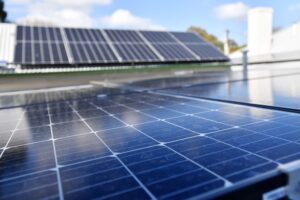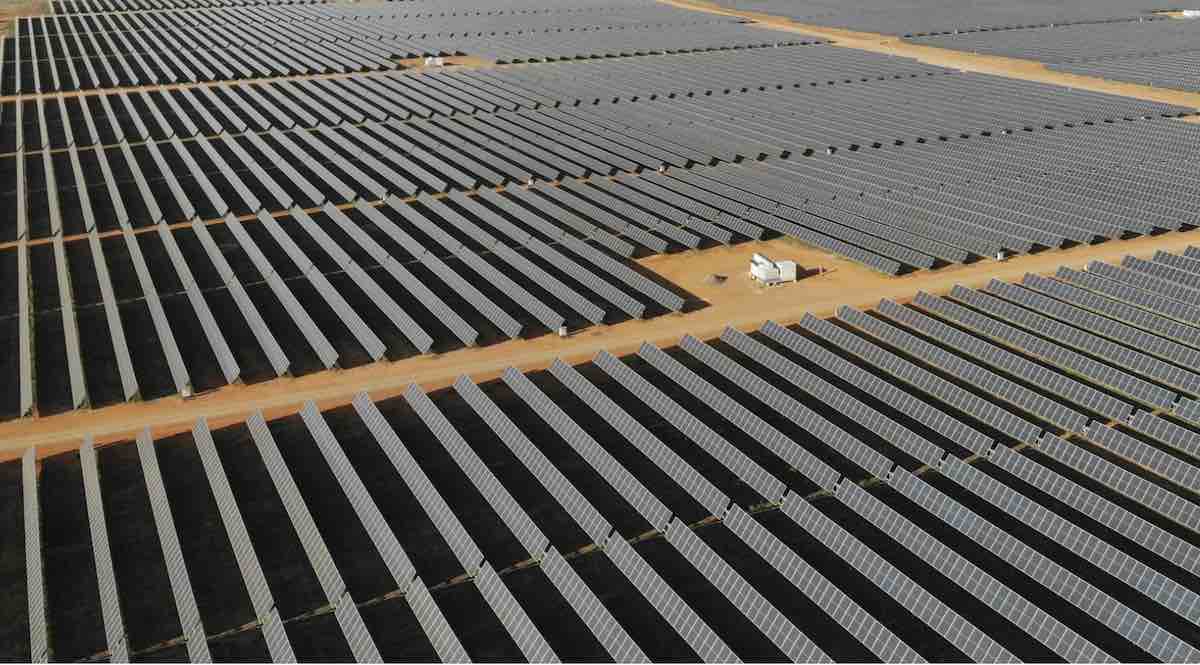
A 90 megawatt solar farm and four-hour big battery proposed for construction in the Richmond Valley in northern New South Wales has won state development approval.
The approval was announced by state minister for planning, Paul Scully for the $312 million Summerville solar farm, which is being developed by OX2 around 60 km southwest of Lismore.
The project will also feature a 90 MW, 360-megawatt hour (MWh) battery energy storage system and a short underground connection to the existing 132 kV Lismore to Koolkhan overhead line.
Scully says the project’s approval is subject to strict conditions including a 10-metre perimeter for fire safety and others to manage or mitigate any impacts on traffic and the environment.
The proponent has also agreed to provide around $3.1 million to Richmond Valley Council to deliver infrastructure and community benefits, the government says.
“NSW is leading a once-in-a-generation upgrade of the electricity network, to deliver even more clean, affordable and reliable energy for everyone in NSW,” Scully said in a statement issued late Friday.
“Summerville Solar Farm will produce clean energy and bolster the Northern Rivers economy by creating jobs during construction and operational phases.”
The project is still undergoing full federal environmental assessment under the EPBC Act. According to the referral to the EPBC, the site of the solar farm and battery has been “highly disturbed by past land clearing for agriculture” and its primary land use is cattle grazing.
OX2 is also seeking to develop a solar farm and battery in partnership with Idemitsu Australia on land adjacent to the Muswellbrook Coal Mine, primarily owned by mine operator Idemitsu.
The call on whether or not to approve that project, which is also being assessed under the EPBC Act, was last year handed to the NSW Independent Planning Commission after it received more than 50 unique submissions objecting to its development.