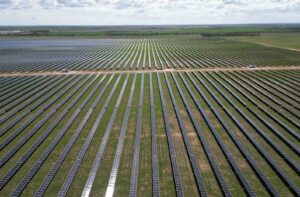
The big push by utilities across Australia to hit solar households with higher network charges is underpinned by the claim that rooftop solar does little to reduce peak demand.
There is increasing evidence that that is not the case. Peak demand has been pushed in some states to the evening, after the sun comes down, but what is often not displayed is what the peak would have looked like without rooftop solar.
In short, it would have occurred earlier in the day, and at a much higher peak. This is critical, because networks super-sized their grid in anticipation of big rises in peak demand. The combination of energy efficiency and rooftop solar and declining industrial demand has junked those forecasts. But we’re still paying for the investment.
The peak – without solar PV – would have appeared at 3pm in Perth, and be considerably higher than the peak level with solar PV, which now occurs at 4.30p. Yet still, the network wants solar households to be hit with higher network fees, another example of where the benefits of rooftop solar are not factored in.