Image Credit: Vestas, via LinkedIn
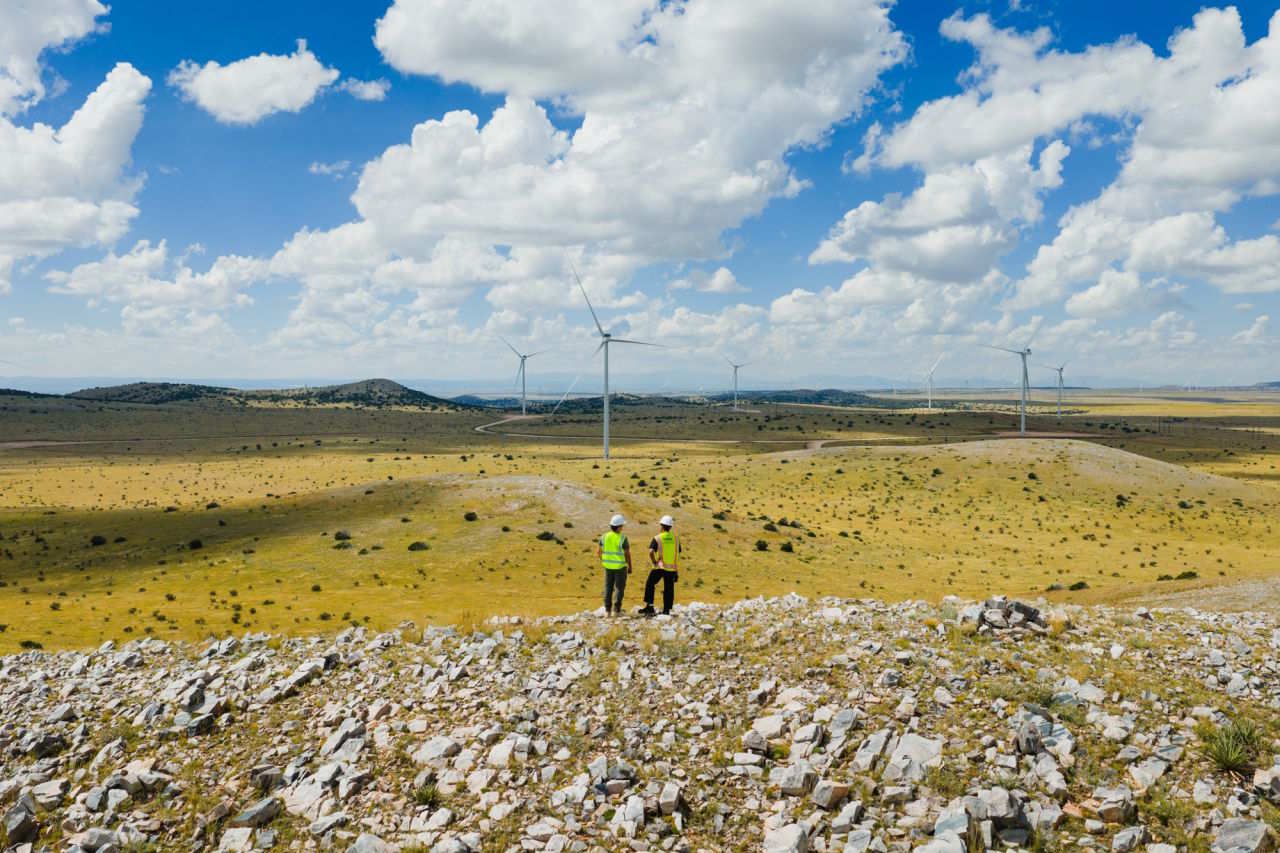
The developers of a 3.6 gigawatt (GW) onshore wind farm in New Mexico say the mammoth project is now fully operational and capable of generating and delivering more power than the iconic Hoover Dam hydroelectric project.
US renewable energy developer Pattern Energy announced the milestone for SunZia wind farm last week, the largest clean energy infrastructure project in US history, harnessing New Mexico’s abundant and constant winds.
The project is made up of 916 3.5 megawatt (MW) wind turbines stretching across over 500,000 acres of land and connected to the grid in Arizona by a 550 mile (885 km) high-voltage DC (HVDC) transmission line, where the electricity is subsequently fed to states in the region, including California.
Construction of the project began back in 2023 following almost two decades of permitting and planning and now spans three counties in New Mexico. Now that it is complete, it can deliver enough electricity to power approximately one million homes.
Image Credit: Vestas, via LinkedIn
“SunZia proves that we can still build the consequential infrastructure this country needs,” said Hunter Armistead, CEO of Pattern Energy.
“We did this the right way, we did it on time and on budget – in genuine partnership with the local communities and landowners who trusted us, with the environmental stewardship this unique landscape deserves, and with the determination to see something through that many thought was too big and too complex to finish.”
SunZia’s full operation is a landmark moment for more than just its headline-grabbing highlights, considering as it comes at the same time as the Trump administration goes out of its way to slow or halt permitting for renewable energy projects.
Despite this, construction has been able to continue and SunZia will now begin feeding clean electricity across the south-west of the United States, delivering clean and affordable electricity as well as the grid infrastructure needed to bolster the country’s ageing grid.
“Large-scale transmission is essential to meeting the West’s growing energy needs and strengthening reliability across the grid,” said Elliot Mainzer, president and CEO of the California Independent System Operator (ISO).
“Projects of this scale help deliver energy reliably to areas of rising demand, improve the movement of power across states and support a more resilient, flexible and affordable electric system.
“SunZia represents the kind of long-term infrastructure investment needed to serve customers today and prepare the grid for the future.”
If you would like to join more than 29,000 others and get the latest clean energy news delivered straight to your inbox, for free, please click here to subscribe to our free daily newsletter.
A $30 billion-plus data centre could significantly add to greenhouse gas emissions and drain as…
A coalition of over 30 organisations wants to accelerate electrification across Australia’s homes, businesses, farms,…
A trial to stop prepaid meter disconnections during heatwaves in the NT and WA may…
Solar industry warns that anti-dumping ruling will unfairly hit projects already being built, and add…
The Victorian government has denied claims it is backing away from its contested transmission plans,…
Original Power is leading a push to protect people using prepaid meters from being disconnected…