A cold snap in France and nuclear shutdowns
The common refrain among critics of wind and solar is to blame their “variability” or “intermittency” for soaring electricity prices as Europe wrestles with gas shortages worsened by the war in Ukraine. But France, the nuclear “pin-up” country for the anti-renewables brigade, is not faring so well either.
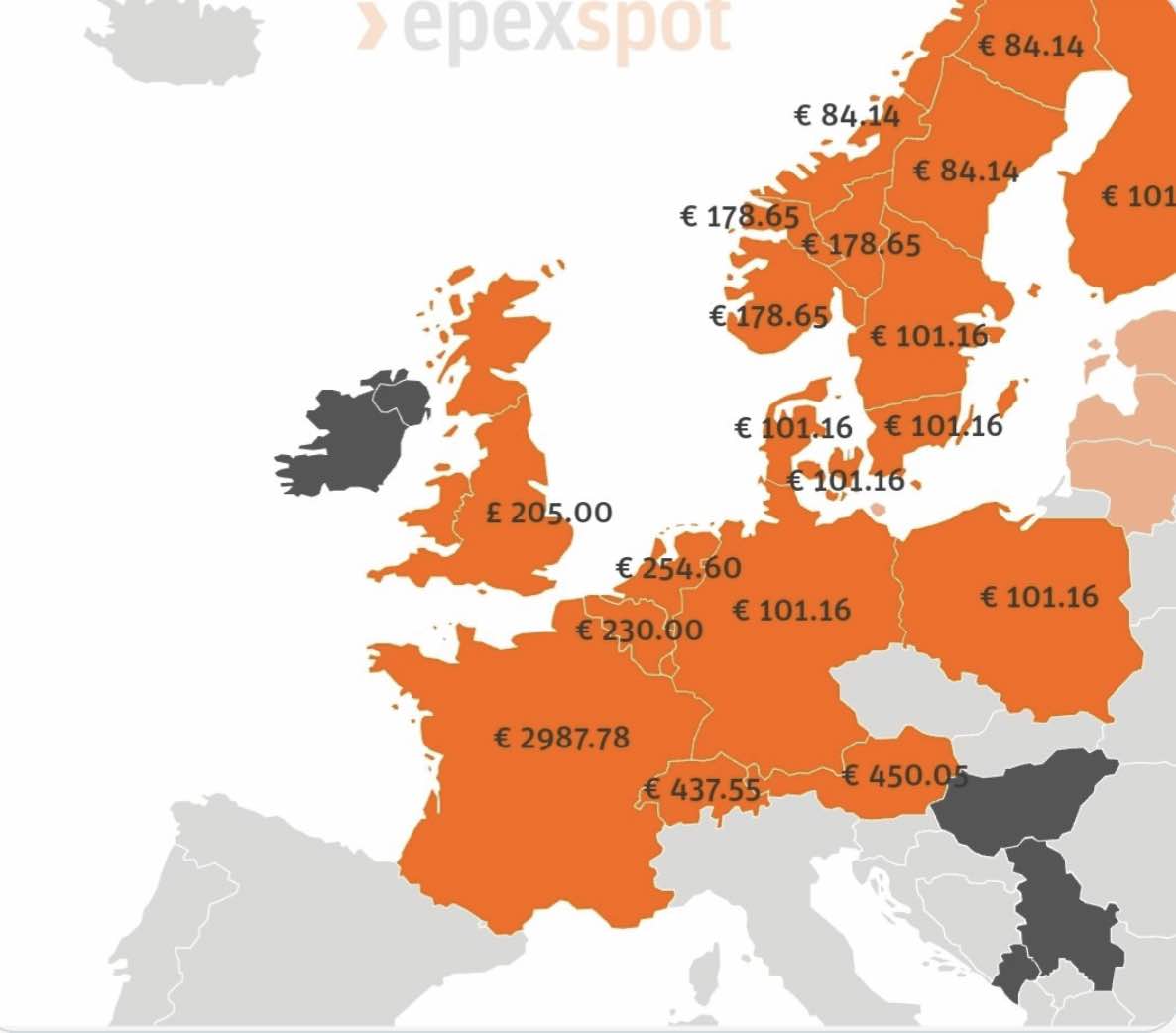
Over the weekend, the key “day ahead” prices of electricity in France surged to unprecedented levels. On Friday, the futures price for “baseload” for wholesale French electricity price hit the eye-watering level of €714 a megawatt hour ($A1050/MWh).
It didn’t get much better by Sunday, when the day-ahead price for Monday settled at €515/MWh ($A758/MWh), which is the predicted average price over a 24-hour period. The price for peak electricity between 8am and 9am was €2,987/MWh ($A4,400/MWh).
The prices for both baseload and peak prices in the rest of the European market were significantly cheaper, and in Germany it was dramatically so.
The main reasons? Both supply and demand. Less than half (30GW) of France’s 64GW of nuclear capacity was available, thanks to planned and unplanned outages, and extended repairs due to corrosion issues in their ageing plants.
The forecast is for cold weather, and many French homes are fired with inefficient, energy hungry electric resistance heating, largely as a result that the French believed they had no reason to be energy efficient because of the their massive investment in nuclear.
“Massive outages of French nuclear power plants, in combination with cold weather and electric (often resistance) heating, are causing a critical situation for electricity supply there tomorrow,” energy analyst Kewes van der Leun tweeted over the weekend.
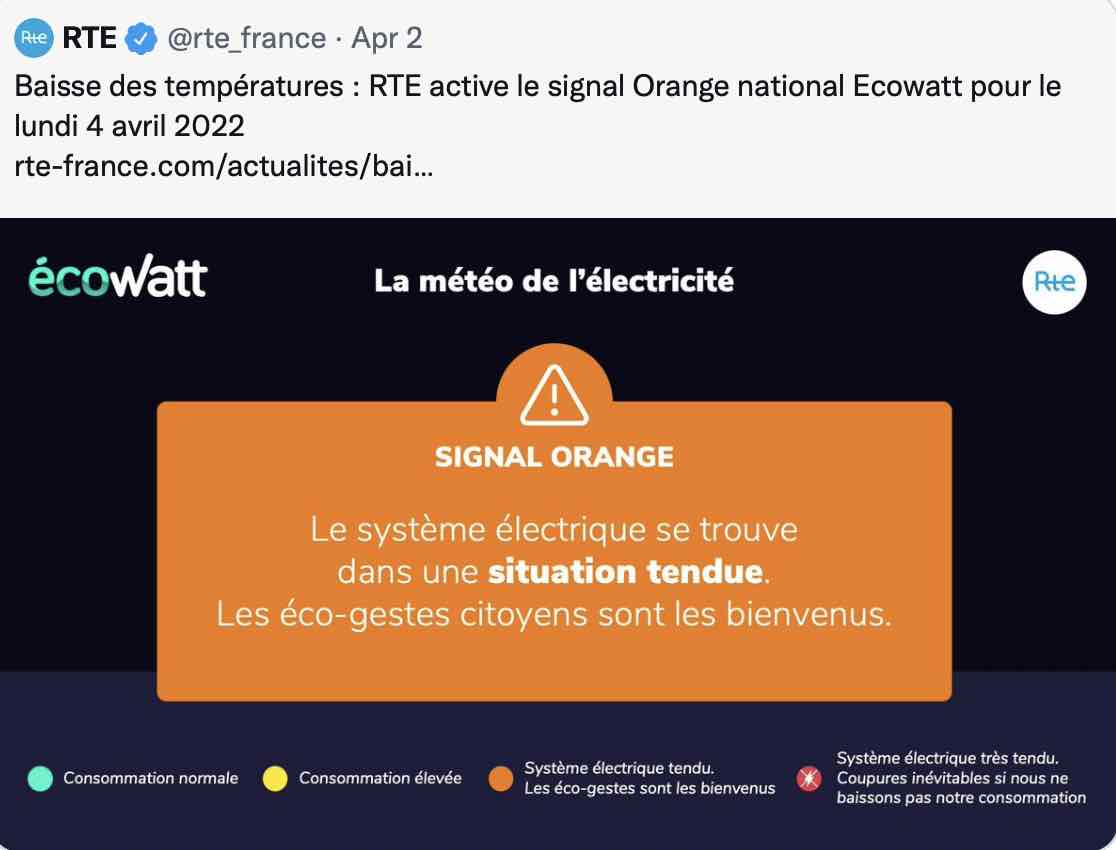
The French authority called on consumers to reduce their power consumption.
The situation in Europe is similar to the growing “north-side” divide in electricity prices in Australia, identified by the Australian Energy Market Operator, which has noted that since early 2021 average prices in the most heavily coal dependent states of Queensland and NSW are considering higher than elsewhere.
Partly that is due to a lack of transmission (France has similar problems), but also to the inflexibility of baseload, and the desperation of baseload owners to bid up prices when they can to recoup their costs.
Sure, states with high amounts of renewables do experience price spikes, but they tend to be short lived and the average price is significantly lower than so-called “cheap” coal.
The situation in France is not likely to get better any time soon. President Emmanuel Macron has pledge to invest significantly more in nuclear and his far-right opponent, Marine Le Pen (who is given an outside chance of unseating him) has pledge to stop all new wind and solar development.
But new nuclear won’t help. At the very best, a new reactor could be online by 2035, although France’s recent experience with massive cost over-runs and delays would put a major question mark over that being achieved.
Amandine Denis-Ryan from IEEFA on what can be done about Australia's unique and unhealthy dependence…
A Melbourne project to assess apartment buildings' electrification potential suggests that technically it's doable but…
The former Nationals leader has come out swinging on social media against a global wind…
The only wind farm under construction in NSW has entered the grid management system, the…
Large-scale solar generation hit record highs in three states across Australia's main grid in September,…
High Court reverses NSW approval for an extension of one of the country's biggest coal…