Image source: Vestas LinkedIn
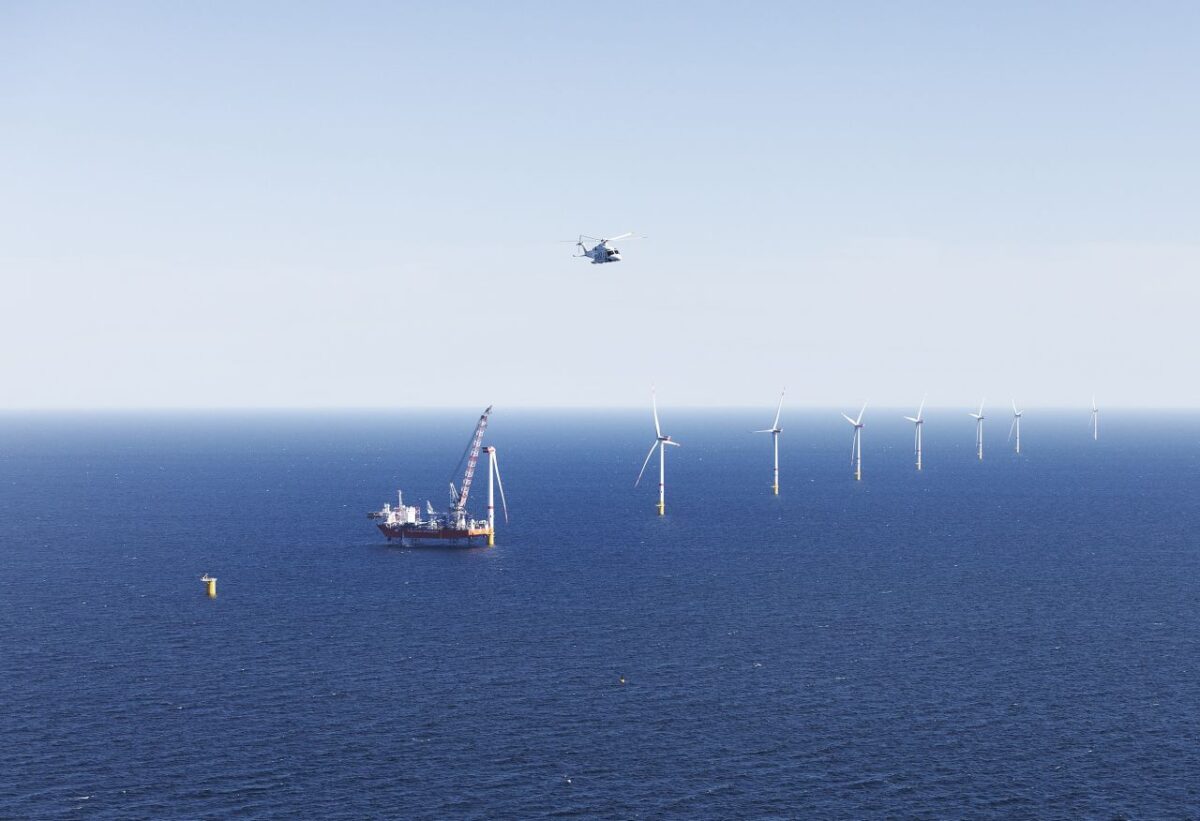
Wind giant Vestas is testing out a more sustainable way to construct offshore wind farms, in an industry-first trial using helicopters flying on a mix of sustainable aviation fuel.
The pilot project, underway until September, will see Vestas technicians and jack-up vessel crew using the alternatively fuelled helicopters to transport themselves to and from the Baltic Eagle wind farm, which is under construction off the coast of Germany.
The Baltic Eagle is a 476MW, 50-turbine project being developed by Spanish energy giant Iberdrola in the Baltic Sea, 30km to the northeast of Rügen island off the coast of Pomerania.
Vestas says helicopters provided by Leonardo S.p.a. will use sustainable aviation fuel a blend rate of 40 per cent – close to the highest blend rate currently permitted.
Image source: Vestas LinkedIn
The fuel – provided by DCC and Shell Aviation Denmark – is expected to cut the carbon emissions of each flight by around 32 per cent, compared to using a standard helicopter powered by conventional jet fuel.
This is particularly important for offshore wind projects, Vestas says, which are more carbon intensive to develop than onshore wind farms, due to the need to use boats and helicopters.
“There is a significant need for more sustainable solutions during these wind farms’ construction and operation phases,” says Kieran Walsh, senior vice president and head of construction at Vestas Northern & Central Europe.
“This project emphasises our ambition to become carbon neutral by 2030,” the company added on LinkedIn. “Decarbonising our offshore construction and operation processes is a key part of this journey, and we’re excited to learn how SAF can contribute to this.”
Sune Petersen, head of strategy and sustainability at DCC & Shell Aviation Denmark says the delivery of SAF to Roskilde Airport, the helicopter base for the pilot project, marks a milestone in the supply of alternative fuel.
“It also marks an initial step towards introducing SAF into the fuel mix for helicopter services – not only in Denmark but also on a European scale,” Peterson says.
One of the biggest headaches for owners of utility-scale solar farms in the last few…
All 18 of the concrete turbine foundations have been poured at the first wind farm…
Snowy Hydro reports a modest uptake in profits in the year to June 2026 while…
Engineering marvel or financial folly? We've been here before - a cost blowout and a…
Bruce Hardy from the Energy Futures Foundation on the fast track to electric transport, and…
State Liberals and mainstream media are keen to criticise Victoria's popular energy upgrades scheme, but…