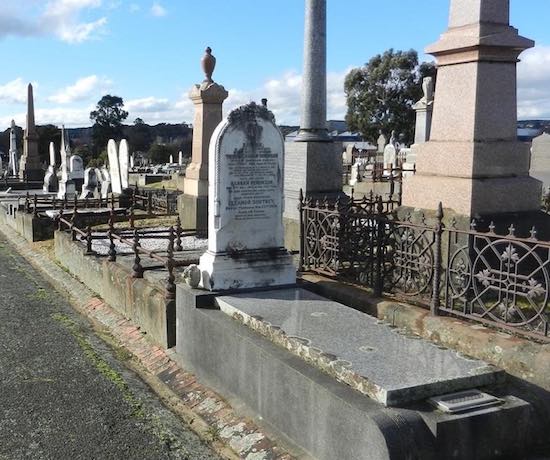
A regional Victorian cemetery business is looking into going solar – and all electric – as one of the first projects to come out of the state government-backed Community Power Hubs program.
The Ballarat Courier reports that local community renewables outfit BREAZE is looking to commission a feasibility study on converting Ballarat General Cemeteries to solar electricity, to cut its everyday grid power and fuel consumption.
BREAZE, the organisation behind Ballarat’s Community Power Hub, says the study will investigate the use of rooftop solar, ground-mounted solar, and converting garden power tools from petrol to electric.
As it turns out, the cemetery business is an energy intensive one, with significant amounts of grid electricity and other fuels used for daily operations, including running irrigation systems, buildings and equipment.
“[We] are… delighted to work with the Community Power Hub program to investigate how we can move to renewable energy sources and potentially become a model for regional cemeteries across the state,” said Ballarat Cemeteries CEO Annie De Jong.
As Ballarat Community Power Hub spokesperson Ian Rossiter told the Courier, the cemetery project is just one of eight projects for which feasibility studies are to be conducted, and which he hopes to have underway or completed before the program’s end in June 2019.
Victoria’s Community Power Hubs program was launched by the state Labor government in April last year, to help groups in Bendigo, Ballarat and the Latrobe Valley access legal and technical advice to get innovative clean energy ideas up and running.
As Community Power Agency’s Nicky Ison noted at the time in this piece on One Step Off The Grid, the scheme was widely welcomed by organisations across the community energy sector.
But it was also recognised as a small step, Ison said, in the “long race to truly unlocking the potential of community and local clean energy across Victoria.
“The $220,000-$300,000 set aside for each hub and the two year timeframe of the program is not commensurate with the task at hand,” Ison wrote.
This article was originally published on RenewEconomy’s sister site, One Step Off The Grid, which focuses on customer experience with distributed generation. To sign up to One Step’s free weekly newsletter, please click here.
Victoria promised the first offshore wind auction in August and officials say they remain committed…
Fortescue's mission to produce "green metal" with Pilbara ore hits a significant milestone, with first…
A Facebook post is stirring up opposition to wind power by falsely claiming a photo…
Fully Charged founder Robert Llewellyn joins The Driven Podcast to discuss the rapidly changing EV…
The owner of Australia's most successful big battery developer says costs have fallen dramatically and…
Data centres and the country's biggest aluminium smelter will finally get to break the long…