Image: CS Energy
Keeping Queensland’s Callide B coal plant open beyond its use-by date of 2028 could cost taxpayers in the Sunshine State up to $420 million a year, while driving up electricity prices and damaging grid reliability, a new report has warned.
Queensland Liberal National Party leader David Crisafulli earlier this month pledged to delay – if needed – the closure of the troubled coal plant, saying it was “absurd to close down baseload power at a time when Queenslanders are struggling to eat.”
But based on data on the aging coal plant’s costs and revenues, pulled from the annual reports of its owner CS Energy, the Queensland Conservation Council says extending the life of Callide would be expensive, financially irresponsible and counter-productive.
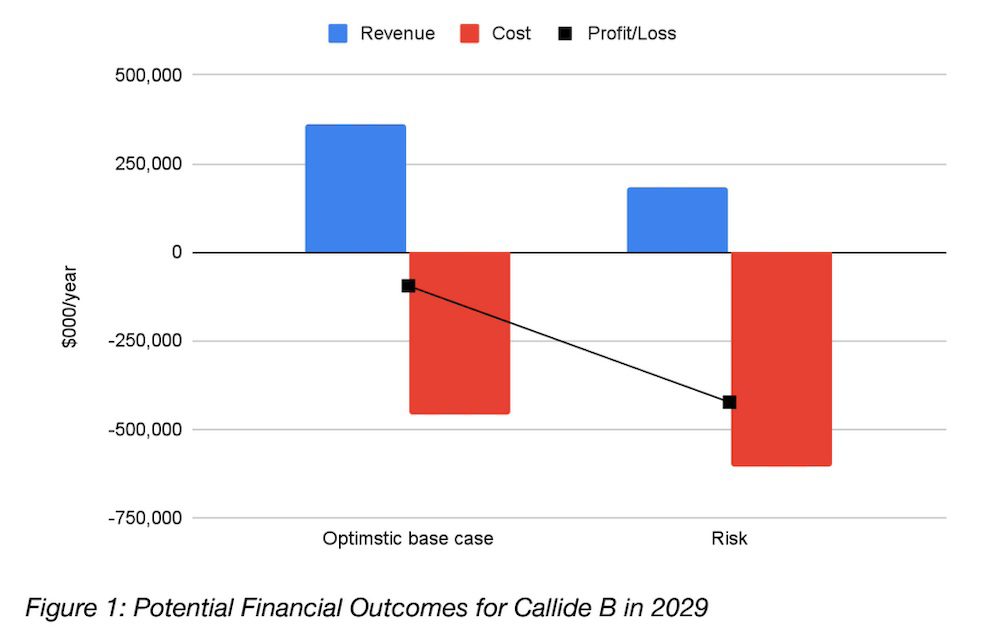
The QCC says the records show that the power station, which is ultimately owned by the Queensland taxpayers, has recorded a real loss of $120 million over the last five years, an average of $24 million/year.
It says that extending the life of part of the Callide plant – where an explosion at Callide C in 2021 fast-tracked the state’s push into large-scale battery storage – it is likely to cost Queensland taxpayers around $95 million in 2029.
This cost could easily escalate to $420 million, the report adds, if more work is needed to repair the turbines or other facilities at the power station, like the ash dam.
The report comes as Queensland’s two major parties swing into full election mode. Crisafulli has also said that the state’s seven other remaining coal plants would be free to burn “indefinitely,” if the LNP is elected later this month, and that he will repeal the state’s legislated renewables target.
“The notion that by the early 2030s you can turn off Queensland’s baseload power without impacting reliability or people’s hip pocket is fanciful, and even the government’s own energy department has said so,” he said last week.
None of this gels with Labor’s Energy and Jobs Plan, which aims to convert all of the state’s remaining eight coal plants to clean energy hubs by 2035. Crisafulli’s laissez-faire approach to coal would also make it very difficult to meet the state’s renewable energy targets of 50% by 2030, 70% by 2032 and 80% by 2035.
“The LNP’s comments about keeping Callide B open beyond the end of its life are playing dangerous politics with our energy system,” says QCC energy strategist Clare Silcock.
“Coal fired power stations are increasingly a liability as they age and more renewable energy comes online.
“The troubled Callide C is a stark example of this, where we’ve seen multiple catastrophic failures, and the private company that owns half of the power plant has gone into administration because they can’t front the costs of keeping coal fired power stations open.
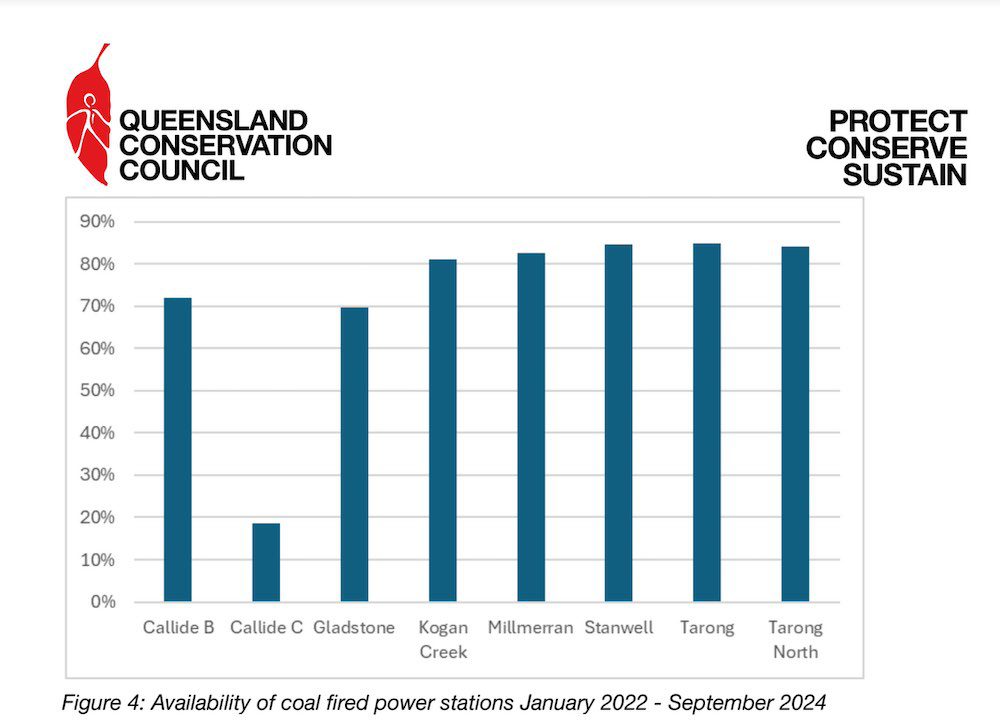
“Neighbouring Callide B is also experiencing reliability issues. Over the past three years it’s only been able to operate at 70% capacity due to numerous unit breakdowns, often during summer at times of peak demand.
“We can replace Callide B by 2028, and invest this money in renewable energy backed by storage which will set us up for decades of affordable, reliable electricity, not keep us hostage to failing coal fired power stations.”
Fierce critic of net zero, renewables and home battery rebates chosen to lead the National…
Developer of a 2 GW wind farm and big battery in the NSW Central Tablelands…
Energy retailer says gas services "no longer align" with its vision, as it pivots to…
SA big battery is again put on standby as rooftop PV sends local grid demand…
What levers should the federal government pull amid the latest global oil price shock? There's…
Victorian port pitching to become the first in Australia dedicated to offshore wind farm construction…