On Monday night in the US, more than two dozen Members of Congress from the Senate Climate Action Task Force will be holding the Senate floor to discuss global warming. A number of them are expected to participate throughout the night. Here are some startling climate facts that keep me up at night:
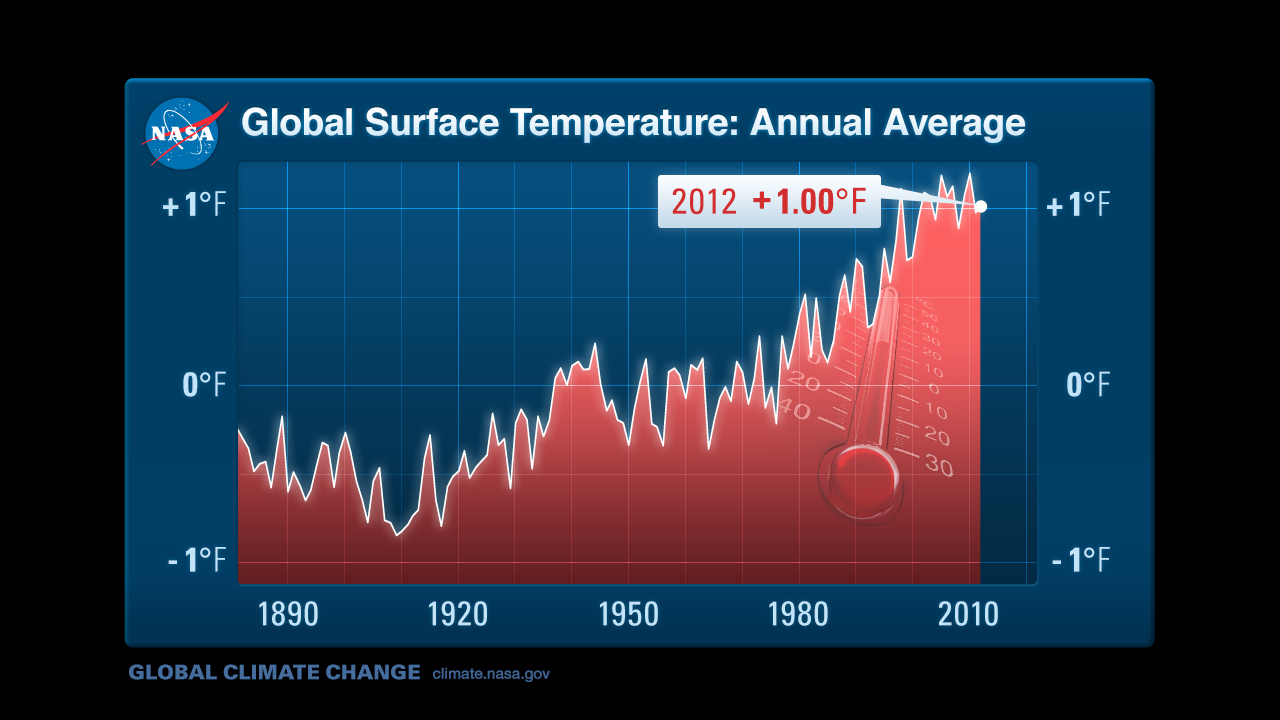
1. Young people are simply not living in the same climate their parents grew up in: The year 2013 was the 37th year in a row that global average temperature was above the 20th century average. Each of the last three decades has been warmer than the one before. Across the US, warm temperature records are being broken twice as often as cool temperature records.
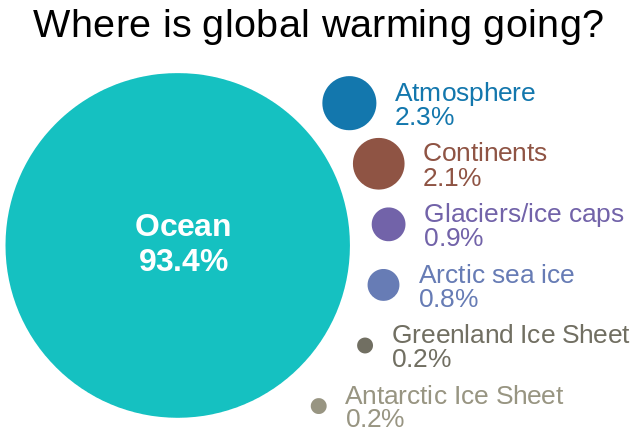
2. Over nine tenths of the excess heat from global warming is going into the ocean: The increase in the amount of heat stored in the ocean over the last 30 years is enormous – it is equivalent to the amount of energy from a bomb the size of the one dropped on Hiroshima being released every second for thirty years. A warmer ocean expands and results in sea level rise. This heat will eventually be released from storage over decades and centuries to further warm the atmosphere.
Source: Skeptical Science
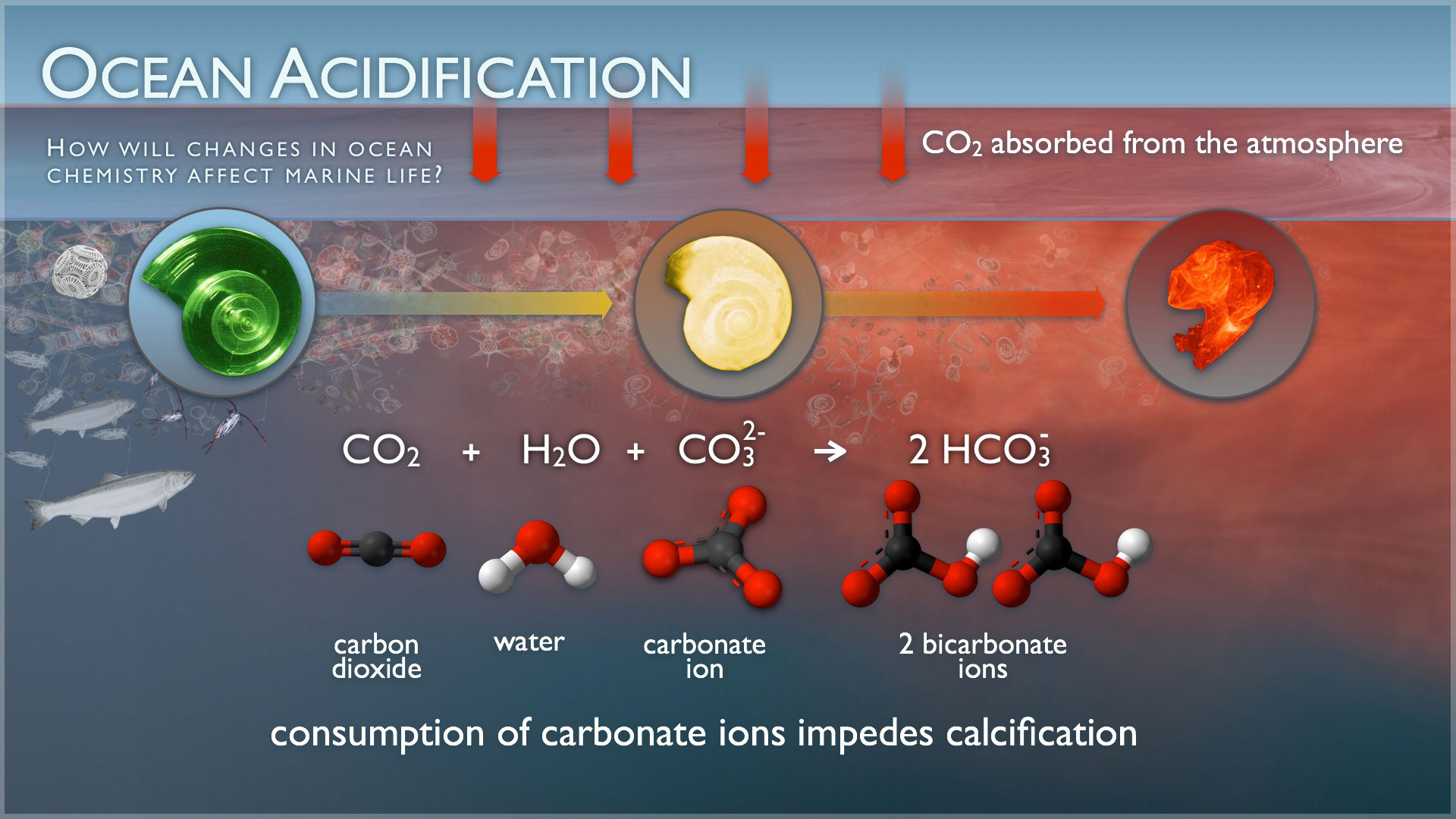
3. Ocean acidification is occurring, transforming marine ecosystems: Carbon dioxide emissions are not only leading to warmer oceans and other climate disruptions, but our oceans are absorbing a quarter of this excess carbon dioxide from the atmosphere, leading to a more acidic ocean (lower pH levels). Ocean acidification not only affects sea creatures, but everything else that depends on them in some way, from food and habitat to tourism and local fisheries.
Source: PMEL NOAA
4. The amount of carbon dioxide in our atmosphere is unprecedented in human history: Last year, levels of carbon dioxide in the atmosphere reached 400ppm (parts per million) for the first time since humans walked the planet. Over the last decade, this rate of change is faster than at any time in the recent geological record. This faster pace makes it more challenging for species and natural systems to adapt.
Tonight’s Senate action is a reminder to all of us why this is an extremely important conversation not only for the United States but for the world. Together, we urgently need to reduce our global carbon emissions.
Melanie Fitzpatrick is a climate scientist with the UCS Climate and Energy Program, is an expert on local and global impacts of climate change. She holds a Ph.D. in Geophysics from the University of Washington, specializing in the role of sea ice and clouds in Antarctica.
This article was originally published on the Union of Concerned Scientists blog, The Equation. Reproduced here with permission
The Macorna wind project will have a simpler ride through state planning, and insists it…
One of the heaviest and longest road trips ever undertaken in Australia's energy transition has…
Australia has a choice between investing in the future we can already see – or subsidising…
The lengthy delays at what would have been the country's biggest wind farm have forced…
The public remains largely in the dark about the full cost of the giant Snowy…
Amandine Denis-Ryan from IEEFA on what can be done about Australia's unique and unhealthy dependence…