Darebin City Council in Melbourne’s north has completed a major energy retrofit project at its two community swimming pools – two of the local government area’s largest energy users – that will save it an expected $100,000 on operational costs a year.
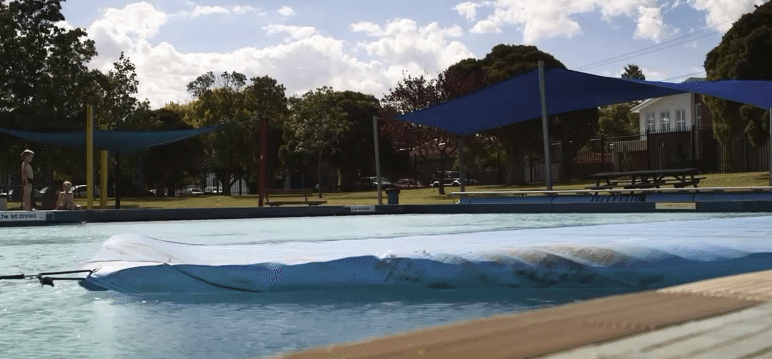
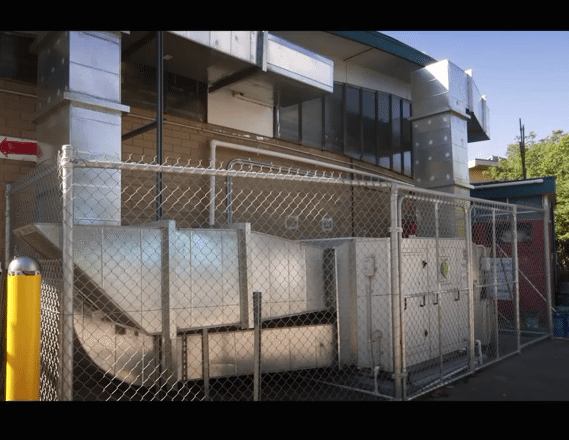
The $2.1 million project, which received $875,800 in funding from the federal government’s Community Energy Efficiency Program (CEEP), included the installation of gas-fried cogeneration systems at both the aquatic centres in Northcote and Reservoir, as well as LED lighting, thermal pool blankets and building and air-conditioning upgrades to boost thermal efficiency.
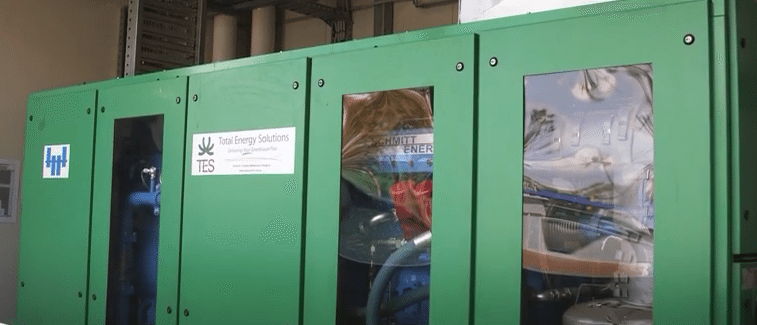
The on-site cogeneration units installed at the two pools – a 75kW system at Reservoir and a 122kW system at Northcote – will together account for more than half of the projected cost savings, generating most of the sites’ electricity and using the waste engine heat to help heat the pools and change rooms.
The systems incorporate an easy-to-use remote monitoring interface that allows the centres’ management to view the performance of the systems in real time, and analyse historical data, to help identify opportunities to improve the units’ performance.
Darebin Council said it had chosen to go with the natural gas-fired cogen systems – both of which were supplied by Schmitt Enertec – rather than rooftop solar, due to the ability to run the cogen around the clock, and because the greenhouse gas savings from cogeneration were identified as significantly higher than that from a large-solar power system.
Council documents say that while payback for cogeneration was somewhat longer than for solar, the former was still considered an acceptable choice, given the significant greenhouse gas savings possible.
Darebin climate change action officer, Indy Lingham, said the Council would now continue to work on improving the energy efficiency in all of its remaining council buildings, as well as working with constituents to cut their energy use.
This article was originally published on our sister site, One Step Off The Grid. To sign up for the weekly newsletter, click here.
Household battery numbers continue to defy all predictions, and they now look set to match…
Federal government announces $25 million for a rooftop solar recycling pilot, with up to 100…
Andrew Forrest's Fortescue starts construction of its first wind farm, featuring unique "self-lifting" tower technology…
A $200 million standalone battery project that attracted no objections from within 50kms of the…
It won’t come as much consolation to Victorian communities picking through the burnt rubble from…
Technology gains mean that one ship load of solar PV panels is now worth more…