A large wind and big battery project in the south-west of New South Wales has gained approval from the state’s Independent Planning Commission, subject to conditions about the maintaining nearby roads that will be heavily used in construction, and helping manage impacts on a threatened bird species.
The Bullawah wind farm, proposed by Bay-Walocated around 28 kms south east of Hay in the state’s south-west renewable energy zone, will be sized at up to 804 megawatts (MW) of wind, from 141 turbines that have a tip height of 300 metres, and a 358 MW, 718 MWh battery.
Like many renewable and storage projects working through the planning system in NSW, the Bullawah project attracted a lot of opposition, most from long distance agitators who oppose the renewable energy transition in general.
However, the state planning minister ordered that the IPC hear the case under a special ruling that means its decision cannot be appealed in court. Planning rules have since been changed to prevent long distance opponents from deliberating disrupting the planning process, often by a year or more.
In the case of Bullawah, the local council told the IPC also had concerns about traffic management and the impact on roads, along with other members of the community, and the plight of the Plains-wanderer, a threatened bird species, also came up as an issue.
The IPC has set down several conditions, including the use and upgrade of certain roads, and also requires BayWa to develop a management plan to minimise the impact on threatened species such as the Plains-wanderer.
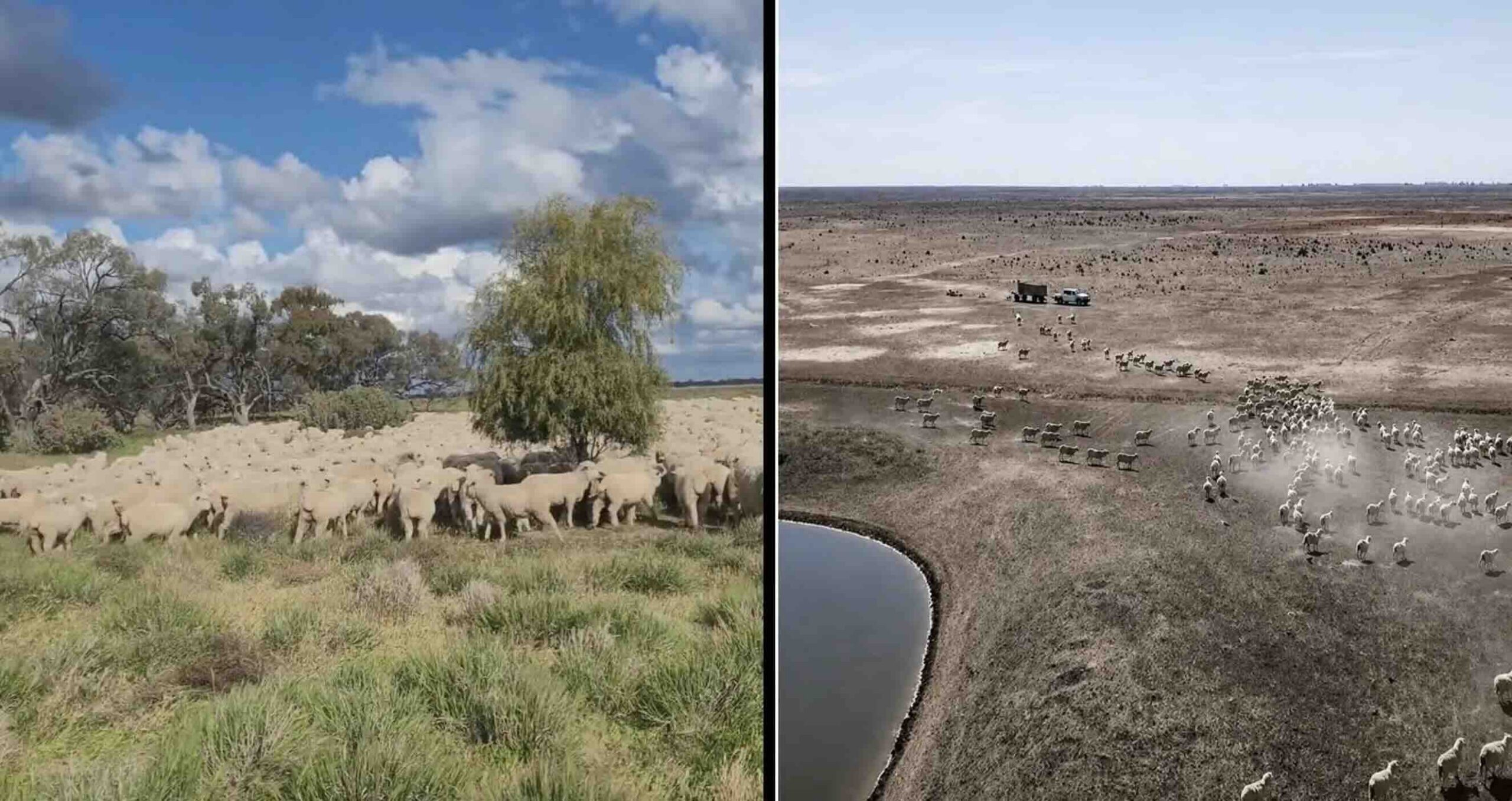
The IPC also took careful note of the submission and presentation by wind farm landowner, who, as reported by Renew Economy, had spoken about the benefits of the wind farm and its ability to help farmers better manage and improve their land, rather than being pressured economically to exhaust its resources.
It even pointed to the page in the transcript where this testimony could be found. The Commission said it acknowledged that the project would enable farming activities to continue alongside the wind farm, and support sustainable farming practices and improved land resilience.
The Bullawah wind farm is likely to be developed in two separate stages, with BayWa only receiving a grid allocation for about 260 MW in the south-west REZ, but hopes to be able to add more capacity if the surrounding grid is upgrade.